Lawn
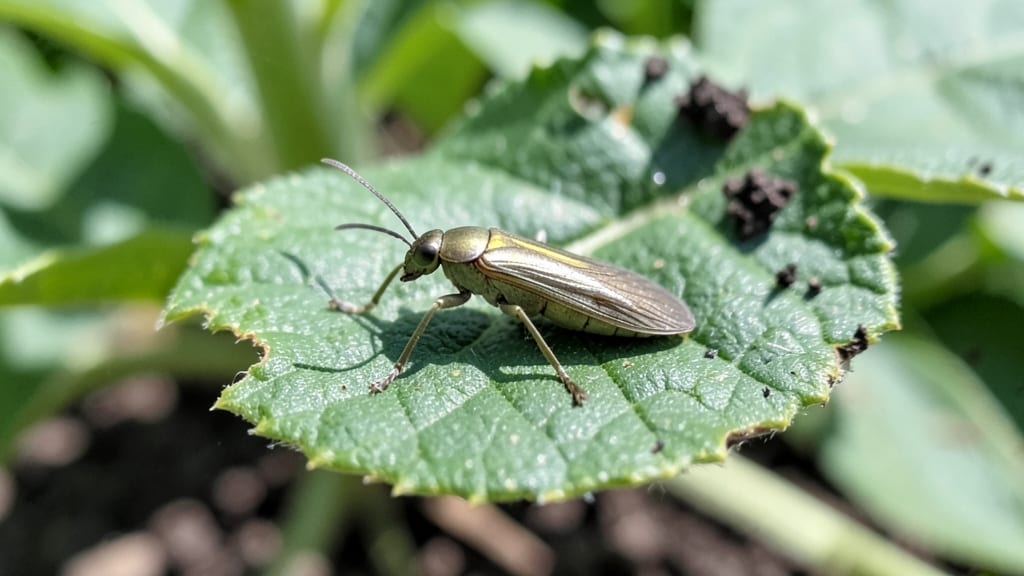
Sunflower seed maggots turn your golden blooms into a sad, shriveled mess—unless you catch them early. I’ve watched my sunflowers go from towering and proud to wilted stumps in weeks, all because tiny larvae chewed through the seeds before they could mature.
The damage starts small: wilting leaves, stunted growth, and heads that refuse to fill out.
Here’s the thing—these pests thrive in damp soil and crowded plants, so spacing seeds properly and improving drainage makes a huge difference. I’ve tried everything from neem oil sprays to row covers, and the right mix of prevention and quick action keeps my sunflowers standing tall.
The key is acting before the maggots get established, because once they’re in, the damage is already done.
You’ll spot infested plants by their hollowed-out stems and seeds that look like they’ve been nibbled from the inside out. A simple soil check—digging around the base—reveals the wriggling culprits.
With organic controls like diatomaceous earth or beneficial nematodes, you can stop the cycle without chemicals that harm bees or soil life. The goal? Big, bold sunflowers that stay healthy from seed to bloom.
This works for backyard gardens, small farms, or even container-grown sunflowers—just adjust the timing and scale. Early detection is everything, so keep an eye on your plants, especially after rain. Once you’ve got the pattern down, those maggots won’t stand a chance against your sunflowers.
Root Causes Of Seed Damage
Understanding why sunflower seed maggots (or similar pests) target your crops starts with unpacking their biology and the environmental triggers that draw them in. These tiny but destructive flies don’t just appear out of nowhere—they’re drawn to specific conditions that make your plants look like an all-you-can-eat buffet.
Let’s break down the key factors that turn your sunflowers into a magnet for these pests.
Sunflower seed maggots (Delia platura or similar species) are specialists—they only target certain crops, with sunflowers being a prime choice. Here’s why your plants might be on their menu:
- Sunflower Variety & Maturity: Some sunflower hybrids are more vulnerable due to their thick, fleshy seed heads or loose seed arrangement, which provide easy entry points for eggs. Immature or stressed plants are especially tempting because their lower defenses make them easier to penetrate.
- Crop Rotation Failures: If you’ve grown sunflowers (or other susceptible crops like corn, beans, or peas) in the same spot year after year, the soil becomes a high-risk zone.
Maggots overwinter in the soil as pupae and emerge when fresh hosts appear. Poor rotation = more maggots.
- Weakened Plants from Stress: Plants under stress—whether from drought, nutrient deficiencies, or disease—emit volatiles (chemical signals) that attract pests. A healthy sunflower has stronger cuticular wax layers and physical barriers, making it harder for flies to lay eggs.
Maggot activity isn’t random—it’s tied to temperature, humidity, and soil moisture. These pests thrive when conditions are just right:
- Warm, Damp Soil (60–85°F): Maggots hatch best in moist, warm soil (ideal for larval survival). If your planting season aligns with spring rains followed by heat, you’re creating the perfect incubation chamber. Dry soil? Too hot? They’ll wait. But consistent moisture = maggot party.
- Delayed Planting or Slow Germination: If seeds take too long to sprout (due to cold soil, compacted earth, or poor seed quality), maggots get a head start. They’ll lay eggs in the soil before seedlings emerge, giving larvae direct access to tender roots and seeds.
- Overhead Irrigation: Watering from above (instead of drip irrigation) splashes eggs onto plants and keeps soil surfaces damp—two things maggots love. A single overhead watering session can double your risk of infestation.
Sunflower seed maggots don’t have many natural enemies, but when they do face predators, human intervention often throws the balance off:
- Overuse of Broad-Spectrum Pesticides: Chemicals that kill beneficial insects (like ground beetles, parasitic wasps, and predatory mites) leave maggots with no competition. Even "organic" sprays can sometimes disrupt ecosystems if not used strategically.
- Monoculture Farming: Large fields of single crops (like sunflowers) provide endless food sources for maggots with no breaks. In diverse ecosystems, pests are diluted across different plant species, reducing their numbers.
- Soil Compaction & Poor Drainage: Compacted or waterlogged soil limits beneficial microbes that help plants resist pests. It also creates anaerobic zones where maggot larvae can survive longer, undisturbed.
The life cycle of sunflower seed maggots is tightly linked to planting schedules. Missing these windows can mean the difference between a minor issue and a full-blown infestation:
| Stage | When It Happens | Risk Level | What to Watch For |
|---|---|---|---|
| Egg Laying | 3–7 days after planting (warm soil) | ⚠️ High | Adult flies seen near plants |
| Larval Hatch | 3–5 days after egg laying | ⚠️⚠️ Very High | Seedlings wilting, holes in seed heads |
| Pupation | 2–3 weeks post-hatch (cool soil) | ⚠️ Moderate | Soil disturbances near roots |
| Emergence | Late summer/early fall | ⚠️ High | New flies appear for next cycle |
Pro Tip: 💡 If you plant sunflowers too early in cool soil, maggots may not hatch yet—but if you plant too late in hot, dry soil, they’ll still be lurking from previous years. Aim for warm, moist conditions (60°F+) with consistent humidity to either avoid or outsmart them.
Beat Back Pests Naturally
Discovering sunflower seed maggots in your garden or stored seeds can be frustrating, but the good news is that organic solutions exist to tackle this issue effectively. Below, we’ve mapped out practical fixes based on the root causes—whether it’s infestation in the field, storage problems, or prevention for next season.
These methods are chemical-free, eco-friendly, and designed to protect your sunflowers without harming the environment or beneficial insects.
If maggots are attacking sunflower seedlings or mature plants, act fast with these organic strategies:
- 🔥 Rotate Crops: Sunflower seed maggots thrive in soil where sunflowers (or related plants like safflower) have grown before. Rotate your planting area for at least two years to break the maggot life cycle. Try planting legumes, grasses, or other non-host crops in the meantime.
- Pro Tip: 💡 Keep a simple garden journal to track where you’ve planted sunflowers each year—it’s an easy way to avoid repeating mistakes!
- 🍳 Use Row Covers Early: Deploy lightweight floating row covers (made from breathable fabric like spunbond polyester) over seedlings as soon as they sprout. This blocks adult flies from laying eggs while still allowing sunlight and water to reach the plants.
- Pro Tip: ✨ Secure the edges tightly with soil or bricks to prevent gaps where flies could sneak in.
- 👨🍳 Encourage Natural Predators: Ladybugs, lacewings, and parasitic wasps (like Trichogramma species) are natural enemies of sunflower seed maggots. Plant diverse pollinator-friendly flowers (e.g., alyssum, dill, or marigolds) near your sunflowers to attract these beneficial insects.
- Pro Tip: 🌡️ Avoid pesticides entirely—even organic ones can harm these predators. Stick to neem oil sprays (diluted) as a last resort for severe cases.
- 🔪 Hand-Pick and Destroy: Check the base of plants for eggs (tiny white specks) or larvae (small, legless maggots). Remove them by hand and drop them into soapy water to kill them instantly.
- Pro Tip: ⏰ Do this in the early morning when maggots are sluggish and easier to spot.
Preventing maggots in stored seeds requires a multi-step approach to disrupt their breeding cycle:
| Step | Action | Why It Works |
|---|---|---|
| 🥘 Dry Seeds Thoroughly | Spread seeds in a single layer on a screen or tray and dry them in direct sunlight for 2–3 days (or use a dehydrator at 135°F for 4–6 hours). Aim for 5–7% moisture content or lower. | Maggots can’t survive in dry conditions—this starves out any eggs or larvae already present. |
| 🔪 Freeze or Heat Treat | Place seeds in a sealed bag and freeze them for 48 hours, or bake them at 140°F for 1 hour to kill all life stages. | Extreme temperatures disrupt maggot development—guaranteed pest control! |
| 🏠 Store in Airtight Containers | Use glass jars with rubber seals, metal tins, or heavy-duty plastic bins with tight lids. Add food-grade diatomaceous earth (DE) or silica gel packets to absorb moisture. | Oxygen deprivation and dryness create an inhospitable environment for maggots. |
| 🐝 Use Essential Oils | Add 2–3 drops of clove, cedarwood, or peppermint oil to a cotton ball and place it inside the storage container. Replenish every 2 months. | Maggots avoid these strong scents—nature’s pest repellent! |
Pro Tip: 🎯 Label and date your containers to track seed freshness and rotate stock—older seeds are more vulnerable to infestations.
Break the maggot cycle for good with these long-term strategies:
- 🌡️ Plant Resistant Varieties: Some sunflower hybrids (e.g., ‘Mordovia’ or ‘Autumn Beauty’) show natural resistance to seed maggots. Check with local seed suppliers for varieties suited to your climate.
- 💡 Trap Cropping: Plant a small patch of sunflowers away from your main crop as a “decoy.” Adult flies will lay eggs here first, reducing pressure on your primary plants.
- 🌿 Soil Health Matters: Healthy soil supports strong plants that can better resist pests. Amend your soil with compost and mycorrhizal fungi to boost sunflower vigor.
- ✨ Monitor with Yellow Sticky Traps: Place yellow sticky cards near sunflower patches to catch adult flies. Check them weekly and replace as needed.
By combining these organic methods, you’ll not only eliminate current maggot problems but also create a garden ecosystem that naturally deters future infestations. Happy growing! 🌻
Frequently asked questions
What do sunflower seed maggots look like at different life stages?
Adult sunflower seed maggots appear as small, grayish-black flies (about 1/8 inch) with clear wings. Their larvae are white, legless grubs (around 1/4 inch) that wriggle in soil or seed heads. Eggs are tiny (0.01 inch) white specks laid near plant bases or in moist soil.
How can I tell if my sunflowers have maggot damage?
Look for hollow stems, chewed seeds inside heads, or wilting seedlings with no visible cause. Larvae create tiny holes in seed heads, and infested plants may have stunted growth or discolored leaves. Check soil near roots for wriggling maggots.
Are sunflower seed maggots harmful to humans?
No, they pose no direct health risks to humans. However, their larvae can contaminate seeds, making them unsuitable for eating. Always inspect harvested seeds for signs of maggot activity before storage or consumption.
Can I use diatomaceous earth on mature sunflowers?
Yes, but apply it carefully. Lightly dust food-grade diatomaceous earth around the base of plants (not directly on leaves) to deter adult flies. Reapply after rain. Avoid using it when bees are actively pollinating to protect beneficial insects.
What's the best time of year to prevent maggot infestations?
Focus on prevention during spring planting (when flies emerge) and late summer (when larvae pupate). Use row covers at planting, rotate crops annually, and maintain dry soil conditions to disrupt their life cycle.