Pruning
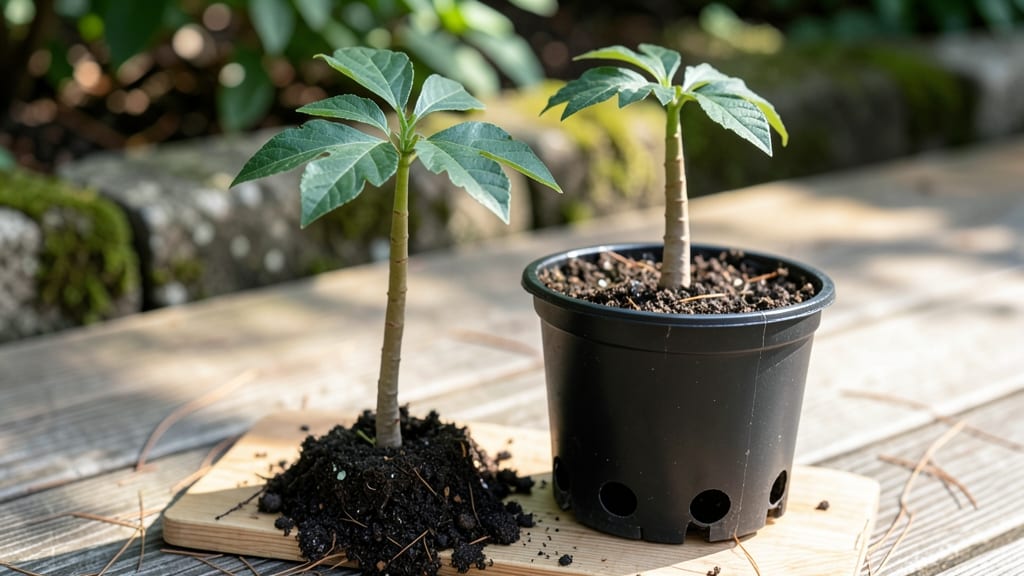
Growing silk tree seedlings fast starts with the right pruning tricks. 🌱 I learned the hard way that letting them grow wild leads to leggy, weak trees—until I discovered how aggressive early pruning actually speeds up bushier growth.
The secret isn't complicated: it's about cutting back at the right time and in the right way to encourage multiple strong branches.
You'll need sharp pruners, a sunny spot with well-draining soil, and patience for the first few months. Silk trees thrive in full sun and tolerate drought once established, but seedlings need consistent moisture to prevent transplant shock.
The key is pruning back the main stem by about a third when they're 6-12 inches tall—this forces the tree to branch out instead of growing tall and spindly.
Within just a few weeks, you'll see new shoots forming at the cut points, creating a fuller, more stable tree. The result is a silk tree that grows faster, handles wind better, and produces those signature fluffy pink blooms earlier than unpruned trees.
Plus, the pruned branches make great cuttings for propagating new plants if you want to expand your collection.
This method works for both container-grown silk trees and those planted in the ground. Whether you're growing one as a street tree or a patio specimen, the same pruning principles apply. Let's get those seedlings growing strong and bushy from the start!
📚 In This Guide
- What you need
- Instructions
- Tips and common mistakes
- Wrapping up and next steps
What you need
- ● Silk tree seedlings: 1–3 healthy, disease-free saplings (3–6 ft tall, preferably from a nursery).
- ● Pruning shears: 1 pair of bypass pruners (sharp, sterilized, with a 4–6 inch blade for clean cuts).
- ● Hand pruners or loppers: 1 pair for thicker branches (½–1.5 inch diameter).
- ● Disinfectant: 70% isopropyl alcohol or a gardening disinfectant spray (to prevent bacterial spread).
- ● Gloves: 1 pair of cut-resistant gloves (silk trees have thorny branches!).
- ○ Pruning sealant (optional): A tree wound sealant (like Tanglefoot Tree Wound Pruning Seal) for large cuts.
- ● Marking spray or tape: Colored spray paint or flagging tape to tag branches for removal.
- ● Sunlight: Full sun (6+ hours/day) for optimal growth.
- ● Well-draining soil: pH 6.0–7.5; amend with compost if needed.
- ● Watering can or hose: For post-pruning hydration (avoid overwatering).
- ● Safety gear (if needed): Eye protection and long sleeves for thorny varieties.
- ● Weather check: Prune on a dry, calm day (avoid rain for 24 hours post-pruning).
Step-by-Step instructions for pruning silk tree seedlings
Here’s how to shape your silk tree seedlings into sturdy, bushy plants without stress or guesswork.
✂️ Step 1: Wait for the Right Time to Prune
Prune your silk tree seedlings only after they’ve grown at least 6-8 inches tall and developed 3-4 sets of true leaves. This ensures the plant has enough energy to recover and branch out properly. Early pruning can stunt growth or leave weak stems.
Check the leaves—if they’re deep green and firm, the plant is ready. Avoid pruning in extreme heat or cold; aim for mild spring or early summer days when temperatures stay between 60-80°F. This timing helps the plant heal faster and encourages robust new growth.
✂️ Step 2: Use Clean Tools and Make Precise Cuts
Sterilize your pruning shears with rubbing alcohol before use to prevent disease. Use sharp tools to make clean cuts at a 45-degree angle, about ¼ inch above a leaf node (the bump where leaves attach). This angle helps water run off and reduces rot risk.
Focus on the topmost set of leaves first. Cut just above the third or fourth leaf from the bottom of the stem—this encourages branching below the cut. Avoid cutting too close to the main stem; leave enough growth to support new shoots.
🌿 Step 3: Encourage Bushy Growth with Strategic Trimming
After the first prune, watch for new side shoots emerging from the leaf nodes below the cut. These are your plant’s way of compensating for the trim. Once they reach 2-3 inches long, give them a light pinch (use your fingers to snap off the top growth) to promote even bushier growth.
Repeat this process every 4-6 weeks during the growing season. Silk trees respond well to regular pruning, so don’t fear cutting back—just avoid removing more than ⅓ of the plant’s foliage at once. This keeps the plant healthy and encourages faster recovery.
☀️ Step 4: Provide Post-Prune Care for Fast Recovery
Water the seedlings deeply after pruning to help them recover. Keep the soil moist but not soggy for the next 7-10 days, then return to your normal watering schedule. Mulch around the base with 1-2 inches of organic mulch to retain moisture and protect roots.
Place the seedlings in bright, indirect light for a few days after pruning. If you notice yellowing leaves or wilting, move them to a shadier spot temporarily. Once new growth appears (usually within 2-3 weeks), you can return them to full sun.
⏰ Step 5: Monitor and Adjust for Continuous Growth
Check your silk tree seedlings weekly for new growth. If branches grow too long or leggy, trim them back to maintain a compact shape. Prune again in late summer to shape the plant for winter dormancy—this helps it enter a strong rest period.
Real talk: Over-pruning is the biggest mistake. If you see slow growth or fewer leaves after trimming, you’ve cut too much. Next time, be gentler and focus on light shaping rather than aggressive pruning. Your silk tree will thank you with faster, bushier growth!
Tips & tricks for perfect silk tree seedling pruning
Fast, bushy growth starts with these simple tricks that’ll save you time and frustration while keeping your silk tree seedlings thriving.
Timing is Everything: In Step 1, those 6-8 inches and 3-4 sets of true leaves are non-negotiable. I learned this the hard way—pruning too early stresses young plants and can stunt their growth. Wait until you see those deep green, firm leaves as your green light. Also, that 60-80°F window is perfect for healing; if it's hotter, prune in the early morning when temps are cooler to prevent stress.
Precision Cuts Pay Off: When you make those 45-degree angle cuts in Step 2, imagine you're making a tiny roof—this helps water run off and prevents rot. I use a small mirror to check my angle if I'm unsure. And that ¼ inch above the leaf node rule is crucial; cutting too close leaves a wound that heals poorly. Pro tip: Sterilize your shears with rubbing alcohol between cuts if you're working with multiple plants to prevent disease spread.
Pinching for Bushy Growth: The 2-3 inch side shoots in Step 3 are where the magic happens. When they reach that size, pinch them off with your fingers—no tools needed! This tells the plant to branch out instead of growing tall. I do this every 4-6 weeks during growing season, and my silk trees go from sparse to lush in just a few months. Think of it like giving your plant a haircut to encourage volume!
Recovery Care Shortcut: After pruning, that 7-10 day moist-but-not-soggy period in Step 4 is where most people mess up. I use a spray bottle to mist the soil lightly if it starts to dry out too fast. And that 1-2 inches of mulch acts like a blanket—it keeps roots cool and moist while protecting against temperature swings. Don't skip this step if you want fast, healthy regrowth.
Pro Tips for Silk Tree Seedling
- Fast, bushy growth starts with these simple tricks that’ll save you time and frustration while keeping your silk tree...
- Timing is Everything: In Step 1, those 6-8 inches and 3-4 sets of true leaves are non-negotiable. I learned this the ...
- Precision Cuts Pay Off: When you make those 45-degree angle cuts in Step 2, imagine you're making a tiny roof—this he...
Frequently asked questions
Got questions about growing and pruning silk tree seedlings? You’re not alone! Here are some of the most common concerns—plus quick, actionable answers to keep your tree thriving.
How long does it take for a silk tree seedling to grow into a mature tree?
A silk tree (Albizia julibrissin) seedling typically takes 3–5 years to reach maturity, depending on climate and care. With proper pruning and sunlight, you’ll see rapid growth—expect 3–6 feet per year in ideal conditions. Patience pays off, though!
When is the best time to prune silk tree seedlings for bushier growth?
Prune your silk tree seedlings in late winter or early spring (before new growth starts) to encourage bushiness. Avoid heavy pruning in fall—it can stimulate tender growth that won’t survive winter. Light trimming after flowering (summer) also helps maintain shape. Pro tip: Use clean, sharp tools to prevent disease!
Can silk tree seedlings survive cold winters, and how do I protect them?
Silk trees are hardy to USDA Zones 6–9, but young seedlings may need protection in colder areas. Mulch the base with 3–4 inches of organic mulch (like wood chips) and wrap the trunk with burlap if temps drop below 10°F. Avoid pruning late in the season—it stresses the tree before winter.
What should I do if my silk tree seedling’s leaves turn yellow or drop?
Yellowing leaves often signal overwatering, underwatering, or nutrient deficiencies. Check soil moisture—silk trees prefer well-draining soil and hate soggy roots. If leaves drop suddenly, it could be transplant shock or pests (like spider mites). Adjust care and inspect for pests; most issues resolve quickly with proper attention!
Are there faster-growing alternatives to silk trees for quick shade?
If you want fast shade + low maintenance, consider:
- Mimosa tree (Albizia family—similar growth habits!)
- Leyland cypress (grows 3–4 feet per year)
- Hybrid poplar (aggressive grower, but invasive in some areas)
Wrapping up and next steps
Growing silk tree seedlings into lush, fast-growing beauties is all about patience, the right tools, and a little pruning know-how! With proper techniques—like selective trimming and strategic shaping—you’ll encourage bushier growth and a healthier plant in no time. 🌿✨
Ready to take the next step? Start small—grab those pruners and give your silk tree a trim this weekend! Watch as it transforms into a thriving, vibrant centerpiece for your garden. Happy pruning!