Container Gardens
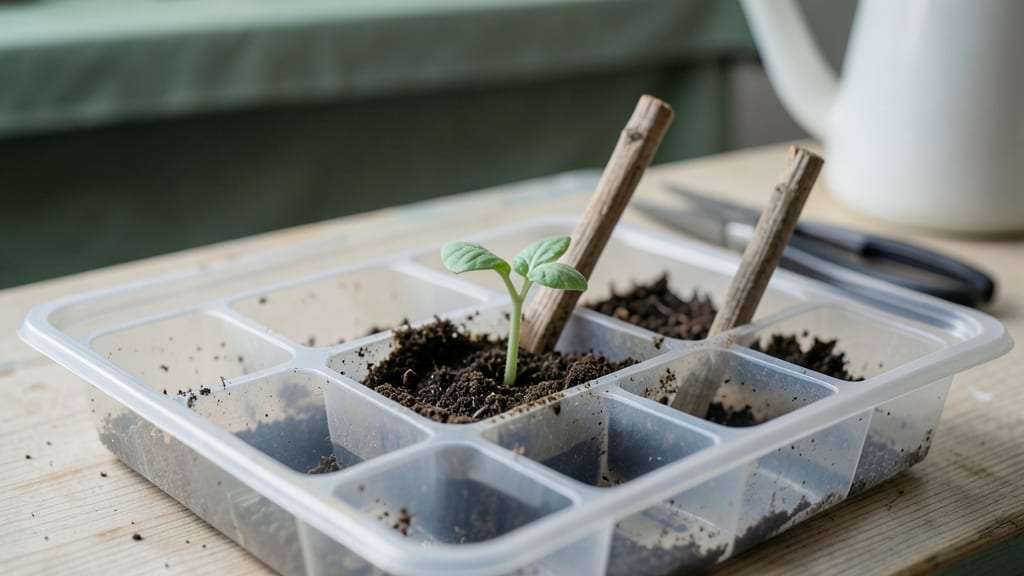
Your seedling not growing is the most frustrating part of gardening—especially when you’ve planted with so much hope. 🌱 I’ve watched tiny sprouts turn into sad, stunted messes, and I know exactly why it happens (and how to fix it).
The good news? Most of the time, it’s not the seed’s fault—it’s just missing one key thing.
Light, water, or soil could be the culprit. Too much water drowns roots, too little leaves them thirsty, and weak light stretches seedlings into leggy shadows. Even the best soil can turn sour if it’s not balanced right.
The fix starts with a quick check: Are the leaves yellowing? Wilting? Or just sitting there like they’re napping forever? Each clue points to a different problem—and I’ll show you how to diagnose it fast.
By the end, you’ll have seedlings that pop up strong, with sturdy stems and vibrant green leaves. No more guessing games—just science-backed steps to get them growing like they should. And the best part? You’ll save money by not replanting what you thought was lost.
Let’s start with the most common reasons and how to turn things around—before your seedlings give up for good. Confession: I’ve had to replant more than a few times, but now I know exactly what to watch for.
Root Causes Of Stunted Growth
Understanding why your seedling isn’t growing is the first step to reviving it. Often, the issue stems from a mix of environmental, biological, or even human factors. Let’s break down the most common culprits—and why they’re sabotaging your little green friend.
---
Seedlings thrive on photosynthesis, the process where they convert light into energy. Without enough sunlight (or proper grow lights), they can’t produce the glucose they need to grow. Weak stems, pale leaves, and leggy (overstretched) seedlings are classic signs of light deprivation.
Why it happens: - Low-light environments (e.g., shaded windowsills, indoor setups without supplemental lighting). - Overcrowding—seedlings competing for light, leading to weaker, slower growth. - Incorrect grow light distance—if lights are too far away, seedlings stretch toward the light but don’t get enough intensity.
Quick fix: Ensure 12–16 hours of light daily (natural or artificial). For indoor setups, LED grow lights should be 2–4 inches above seedlings and adjusted as they grow.
---
Water is essential, but too much moisture suffocates roots by cutting off oxygen. Seedlings in soggy soil can’t absorb nutrients, leading to root rot—a silent killer that halts growth before you even notice.
Why it happens: - Compacted or non-porous soil (e.g., clay-heavy mixes) that holds excess water. - Lack of drainage holes in containers, trapping water at the roots. - Overzealous watering—soaking seedlings daily instead of letting the top inch of soil dry out.
Quick fix: - Use a well-draining seedling mix (50% peat/coir + 50% perlite/vermiculite). - Bottom-water seedlings to encourage even moisture without drowning roots. - Check soil moisture with your finger—if it’s damp 1–2 inches down, wait before watering again.
---
Seedlings are sensitive to extreme temperatures and low humidity. Cold drafts, heat stress, or dry air can shock their delicate systems, slowing (or stopping) growth entirely.
Why it happens: - Drafts (AC vents, open windows, or doors) exposing seedlings to sudden cold. - Heat mats or radiators too close, causing soil to dry out or overheat. - Low humidity (common in dry climates or indoor heating), leading to crispy leaf edges.
Quick fix: - Keep seedlings in a consistent 65–75°F (18–24°C) range. - Use a humidity dome or mist seedlings lightly in dry conditions. - Avoid placing them near heat sources or cold windows at night.
---
Seedlings don’t need much fertilizer—too little or too much can stunt growth. Weak, yellowing leaves or stunted stems often signal a nutrient imbalance.
Why it happens: - Starting with nutrient-rich soil (e.g., garden soil or compost-heavy mixes) that burns tender roots. - Over-fertilizing—seedlings can’t process high concentrations of salts and nutrients. - Micronutrient deficiencies (e.g., nitrogen, phosphorus, or magnesium) from poor-quality starter soil.
Quick fix: - Use a balanced, water-soluble seedling fertilizer (5-5-5 or 3-4-6 ratio) only after the first true leaves appear. - Flush soil with water if you suspect salt buildup. - Test soil pH (ideal: 6.0–7.0)—extreme pH locks out nutrients.
--- Tiny invaders like fungus gnats, aphids, or damping-off pathogens can weaken seedlings before they even sprout properly. Fuzzy growths, blackened stems, or holes in leaves are red flags.
Why it happens: - Overly wet soil (invites fungal diseases like Pythium or Rhizoctonia). - Contaminated soil or tools (old potting mix or shared scissors can spread pathogens). - Crowded seedlings (poor airflow encourages mold and pests).
Quick fix: - Isolate affected seedlings and treat with neem oil or hydrogen peroxide spray (1 tsp per cup of water). - Sterilize tools with rubbing alcohol between uses. - Space seedlings 1–2 inches apart for airflow.
--- Not all seeds are created equal—some slow-growing varieties (like heirloom tomatoes or certain herbs) take longer to sprout and develop. If your seed packet says "60–90 days to maturity," patience is key!
Why it happens: - Cold-sensitive seeds (e.g., peppers, tomatoes) germinating too early in cool soil. - Hybrid or heirloom seeds with naturally slower growth rates. - Old or low-quality seeds that may not germinate as vigorously.
Quick fix: - Pre-sprout seeds indoors in warm, moist paper towels if your climate is cool. - Check seed viability—test a few in a damp paper towel for 5–7 days to see if they sprout. - Adjust expectations—some plants (like broccoli) grow slower but stronger!
Revive Your Stunted Seedling Now
Stunted seedlings can feel like a heartbreaking setback, but with the right steps, you can nurse them back to health—and even prevent future struggles. Below, we’ve mapped out science-backed fixes for the most common causes, along with easy-to-follow actions and prevention tips to keep your greens thriving. Let’s get growing!
---
Cause: Seedlings packed too closely compete for nutrients, water, and light, stunting growth. Fix: - 🔪 Gently remove seedlings from their container using a small trowel or your fingers. - 🌿 Separate them, keeping only the healthiest (discard or compost the weakest). - 📏 Space them 2–3 inches apart in a larger pot or directly in the garden (follow seed packet guidelines). - 💧 Water lightly afterward to reduce shock.
Prevention: - 🌡️ Start with the right container size—use individual cells or small pots for direct sowing. - ✨ Thin early if seedlings sprout too close together (even if it feels wasteful!).
---
Cause: Leggy, weak seedlings mean they’re stretching toward light but not getting enough. Fix: - 🏠 Relocate seedlings to a south-facing window or under grow lights (12–16 hours/day). - 🔄 Rotate pots daily so all sides get even light (prevents lopsided growth). - 🌿 Use reflective surfaces like aluminum foil or a white sheet behind pots to bounce light.
Prevention: - 💡 Start with grow lights if natural light is poor (especially in winter). - 🌱 Choose fast-growing varieties for low-light conditions (e.g., radishes, lettuce).
---
Cause: Overwatering suffocates roots; underwatering stresses seedlings. Fix: - 💧 Check soil moisture—stick your finger 1 inch deep. If dry, water; if soggy, hold off. - 🚰 Use a spray bottle or watering can with a fine rose to avoid disturbing soil. - 🌿 Drain excess water—ensure pots have drainage holes to prevent root rot.
Prevention: - 📊 Water deeply but infrequently (better to go slightly dry than soggy). - 🌡️ Use well-draining soil mix (add perlite or vermiculite if needed).
---
Cause: Seedlings wilt or grow slowly in extreme heat or cold. Fix: - 🔥 For heat stress: Move seedlings to a cooler spot (e.g., shaded porch) or use a fan for airflow. - ❄️ For cold stress: Cover with a cloche or row cover if nights are chilly. - 🌡️ Ideal temps: Keep soil between 60–75°F for most seedlings.
Prevention: - 🌱 Start seeds indoors if outdoor temps are unstable (use a heat mat for germination). - 🎯 Harden off gradually before transplanting outdoors (acclimate over 7–10 days).
---
Cause: Weak, yellowing seedlings may lack nitrogen, phosphorus, or micronutrients. Fix: - 💪 Use a balanced fertilizer (5-5-5 or 10-10-10) diluted to half strength—overfeeding burns roots! - 🥗 Try organic options like compost tea or fish emulsion for a gentle boost. - 🌿 Check soil pH (aim for 6.0–7.0); amend with lime (to raise pH) or sulfur (to lower it) if needed.
Prevention: - 📊 Start with nutrient-rich soil—mix in compost or worm castings before planting. - ✨ Avoid fertilizing until seedlings have 2–3 true leaves.
--- Cause: Tiny invaders (aphids, fungus gnats) or mold (damping-off) can halt growth. Fix: - 🔍 Inspect leaves for holes, webbing, or moldy stems.
Isolate affected seedlings. - 🚿 Spray with neem oil (1 tsp + 1 quart water) for pests or fungal issues. - 🌿 Remove infected plants and sterilize tools with rubbing alcohol.
Prevention: - 💡 Use sterile soil and pots (wash containers with soapy water between uses). - 🌱 Space seedlings well to improve airflow and deter pests.
--- If your seedlings are beyond saving (black stems, severe wilting, or no signs of recovery after 1–2 weeks), it’s time to pull them and replant. Use the lessons learned to give your next batch the perfect conditions!
--- 💡 Pro Tip: Keep a seedling journal! Track watering, light, and growth patterns to spot issues faster next time. Happy growing! 🌱✨
Frequently asked questions
Why are my seedlings just sitting there and not growing at all?
Your seedlings might be waiting for the right conditions to kickstart growth. Check for consistent warmth (ideal soil temp: 65–75°F) and 12–16 hours of light daily. If they’re still dormant after 1–2 weeks, test seed viability by sprouting a few in a damp paper towel—some seeds need patience, especially slow starters like broccoli or heirloom tomatoes.
Can I fix leggy seedlings that are stretching toward the light?
Move them to a brighter spot (south-facing window or grow lights) and rotate pots daily for even growth. If they’re already too tall, bury 1/3 of the stem when transplanting—it’ll encourage new root growth and stabilize them. Avoid fertilizing yet; focus on light first!
How do I know if my seedlings are getting too much or too little water?
Check soil moisture by sticking your finger 1 inch deep. If it’s damp, hold off on watering—overwatering causes root rot. If dry, water gently until it drains from the bottom. Yellowing leaves with crispy edges mean underwatering, while blackened stems or moldy soil signal overwatering. Always use pots with drainage holes!
What should I do if my seedlings have black stems at the base?
That’s damping-off disease, caused by too much moisture and poor airflow. Remove affected seedlings immediately and sterilize your tools. Improve airflow by spacing plants 1–2 inches apart, reduce watering, and use a sterile seedling mix (add perlite or vermiculite). For prevention, avoid overhead watering and keep humidity in check.
Is it too late to save my struggling seedlings?
Not always! If they’re just slow (not dead), give them 1–2 weeks of ideal conditions (light, water, warmth) before deciding. If stems are mushy, leaves are black, or they’ve been stagnant for weeks, it’s kinder to replant. Use the experience to adjust your setup—next time, start with fresh, sterile soil and proper spacing!