Watering
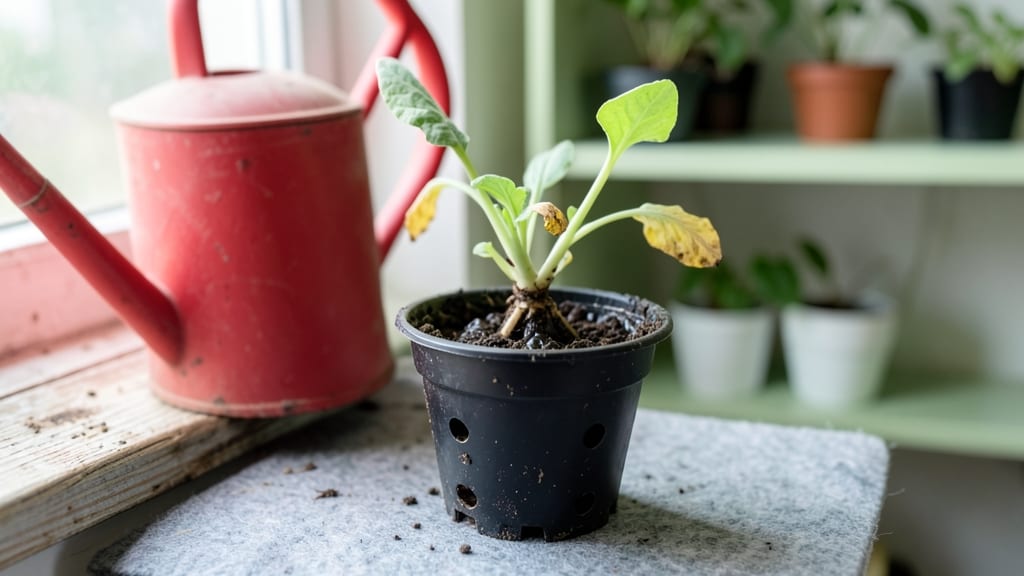
The first time I saw a plant overwatered seedling turn from vibrant green to limp and yellow, I panicked—but it didn’t have to be a loss. until I realized the fix is simpler than it looks.
Most gardeners (myself included) assume wilting means thirsty roots, but soggy soil suffocates seedlings just as fast.
Here’s the thing—overwatering shows up in sneaky ways: leaves that stay yellow even after watering, soil that smells sour or moldy, and stems that feel mushy when you gently squeeze them. The good news?
You can often revive them in 24-48 hours with the right adjustments—no fancy tools required. We’ll walk through exactly what to do, plus how to spot the signs before it’s too late.
By the end, you’ll have seedlings standing tall again with crisp, dark green leaves—proof that even the most soggy roots can bounce back. The key is acting fast, improving drainage, and giving those little plants the breathing room they need. Trust me, your next batch will thank you.
This works for tomatoes, herbs, flowers, or any seedling struggling in damp soil. Whether you’re dealing with a single wilted stem or a whole tray of casualties, these steps cut through the guesswork. Let’s turn that limp mess into lush growth in no time.
Understanding The Root Causes
Overwatering seedlings is a common mistake, but it rarely happens by accident—it’s usually the result of misjudging plant needs or environmental factors. Let’s break down the science behind why this happens, so you can avoid it next time.
💡 The Fix: Test your soil and pots before planting.
Seedlings drown when excess water sits in the root zone instead of draining away. This can happen due to: - Compacted or clay-heavy soil – These soils hold water like a sponge, suffocating roots.
If your soil feels dense when dry, amending it with perlite, sand, or coconut coir improves aeration. - Improper containers – Pots without drainage holes act like bathtubs, trapping water.
Always use containers with at least one drainage hole (or drill them yourself!). - Overzealous mulching – While mulch retains moisture, piling it too thickly (over 2–3 inches) can block water escape. Keep it light and fluffy around seedlings.
Pro Tip: If you’re unsure, do the "squeeze test"—grab a handful of moist soil. If water drips out slowly, drainage is poor. If it crumbles easily, it’s likely too dry.
🌱 The Fix: Adjust watering based on seed type and stage.
Not all seeds have the same tolerance for moisture. Some common culprits: - Large seeds (e.g., beans, peas, sunflowers) – These store energy in their seed coat, making them more sensitive to rot if overwatered.
They need light, frequent watering (just enough to keep soil damp, not soggy). - Delicate seeds (e.g., lettuce, basil, petunias) – Tiny seeds like these germinate best in consistently moist (not wet) soil.
Overwatering can wash them away or cause fungal growth before they sprout. - Slow germinators (e.g., okra, tomatoes) – These may sit in damp soil for weeks before sprouting, increasing rot risk. Use a spray bottle for gentle moisture until they break through.
Pro Tip: Bottom-watering (placing pots in a tray of water for 10–15 minutes) gives seedlings better control over moisture levels than top-watering.
🌡️ The Fix: Monitor humidity, temperature, and airflow.
Your growing environment plays a huge role in how quickly seedlings dry out or drown: - High humidity – If your grow space feels sticky or foggy, excess moisture lingers in the air and the soil.
Use a small fan on low to improve airflow without drying seedlings out. - Low temperatures – Cold soil (below 60°F/15°C) slows root absorption, making seedlings more prone to waterlogging.
Keep them in a warm (70–75°F/21–24°C) spot until they develop roots. - Direct sunlight + water – If seedlings get intense midday sun while overwatered, the soil heats up, evaporating oxygen from the roots. Move them to bright, indirect light until established.
Pro Tip: Morning watering is ideal—it gives roots time to dry slightly before evening humidity sets in.
✨ The Fix: Less is more—especially for young roots.
Many gardeners assume seedlings need constant dampness, but young roots are fragile and oxygen-dependent. Overwatering creates: - Anaerobic conditions – Without oxygen, roots suffocate, turning brown and mushy.
This is a silent killer—you might not notice until it’s too late. - Fungal infections – Fungi like Pythium and Phytophthora thrive in soggy soil, attacking seedlings in 24–48 hours.
Look for black, slimy stems or yellowing leaves—these are red flags. - Nutrient lockout – Too much water flushes away nutrients and raises soil salinity, making it harder for seedlings to absorb what they need.
Pro Tip: Check soil moisture with your finger—stick it 1 inch deep. If it’s damp but not wet, you’re golden. If it’s cold and squishy, cut back immediately.
💦 The Fix: Choose tools that give precision, not power.
Some watering methods drench seedlings faster than roots can handle: - Hose streams or watering cans with large spouts – These can erode soil and create pockets of water that roots avoid. - Automatic misting systems – While great for humidity, they can keep soil too wet for seedlings.
If using one, monitor closely and adjust frequency. - Ice cube method (overused) – While great for established plants, seedlings can’t handle the sudden temperature shock from melting ice cubes. Stick to lukewarm water instead.
Pro Tip: A spray bottle with a fine mist or a watering can with a rose attachment gives you pinpoint control over moisture.
Reviving Your Seedling Step-by-Step
🌱 If your seedling’s leaves are drooping, turning yellow, or looking mushy, it’s time to take action! Overwatering can be tricky to fix, but with the right steps, you can nurse your little plant back to health. Below, we’ll break down cause-specific solutions—plus prevention tips—to keep your seedlings thriving.
Signs: Yellowing leaves, soft stems, or waterlogged soil that smells sour. Fix:
- Stop watering immediately—let the soil dry out naturally.
- Gently remove the seedling from its pot and inspect the roots. If they’re black, slimy, or mushy, they’re rotting.
- Trim damaged roots with clean scissors (🔪), leaving only healthy, firm roots.
- Repot in fresh, well-draining soil (use a mix with perlite or sand for aeration).
- Water lightly only when the top inch of soil feels dry.
💡 Pro Tip: If repotting isn’t an option, flip the pot upside down on a towel to let excess water drain completely before placing it back.
Signs: Water pooling at the bottom, slow-draining soil, or roots growing out of drainage holes. Fix:
- Check your pot—if it lacks drainage holes, poke a few with a nail (✨ safety first!).
- Replace heavy clay or compacted soil with a lightweight, airy mix (e.g., 60% potting soil + 30% perlite + 10% vermiculite).
- Add a layer of gravel or charcoal at the bottom of the pot to improve drainage.
- Water only when the top 1–2 inches are dry—stick your finger in to test!
💡 Pro Tip: Terracotta pots dry out faster than plastic—great for preventing overwatering.
Signs: Black spots, mold, or a foul odor (like rot or mildew). Fix:
- Remove the seedling and rinse the roots with a 1:10 hydrogen peroxide solution (3% strength) to kill fungus.
- Disinfect the pot with a bleach-water mix (1 part bleach to 9 parts water), then rinse thoroughly.
- Use fungicide (like neem oil or copper-based spray) if the infection persists.
- Repot in sterile soil and avoid watering from above (use a tray instead to prevent splashing).
💡 Pro Tip: Space seedlings properly—crowding traps moisture and encourages disease.
Signs: Roots circling the pot, slow growth, or wilting despite "dry" soil. Fix:
- Gently loosen roots if they’re tangled (don’t force it—be gentle!).
- Repot into a slightly larger container (just 1–2 inches bigger in diameter).
- Use fresh, well-draining soil and water lightly after transplanting.
- Hold off on fertilizing for 1–2 weeks to avoid stressing the roots.
💡 Pro Tip: Transplant when you see roots growing out of drainage holes—that’s your cue!
Signs: Condensation inside plastic covers, mold, or seedlings looking "soggy." Fix:
- Remove plastic wraps or domes immediately to allow airflow.
- Mist seedlings lightly (instead of soaking) if humidity is needed.
- Use a fan on low to improve air circulation (🌬️ keeps moisture from settling).
- Water only when the soil is dry—plastic traps moisture longer than you think!
💡 Pro Tip: Check humidity levels—ideal range is 40–60% for most seedlings.
✅ Water only when the topsoil is dry—stick your finger in! ✅ Use pots with drainage holes—no exceptions. ✅ Choose the right soil mix—avoid garden soil (it compacts). ✅ Avoid watering schedules—seedlings need less than mature plants. ✅ Monitor humidity—too much moisture = rot risk.
Final Thought: Overwatering is fixable, but prevention is key. With these steps, your seedling will bounce back—and you’ll become a watering pro! 🚀
Frequently asked questions
How do I know if my seedling is overwatered vs. underwatered?
Check the soil and leaves: Overwatered seedlings have yellow, limp leaves that stay droopy even when dry, mushy stems, and soil that smells sour or moldy. Underwatered seedlings have crispy brown edges, dry soil pulling away from pot edges, and leaves that wilt but perk up when watered. The key difference? Overwatered roots feel slimy and black, while underwatered roots are dry and brittle.
Can I save a seedling with completely black, mushy roots?
It depends on how much healthy root remains. If half or more of the roots are still firm and white, trim the blackened parts with clean scissors, repot in fresh soil, and water lightly. If 90%+ are rotted, the seedling may not recover—start fresh with new seeds. Always disinfect tools between plants to prevent spreading rot.
Why does my seedling wilt even after I water it?
Wilting after watering usually means root damage from overwatering or poor drainage. Healthy roots absorb water quickly, but rotted roots can't—so water pools around them. Check for yellowing leaves or soggy soil (stick your finger in: if it's cold and squishy, you're overdoing it). Give the soil 24 hours to dry before watering again.
How often should I water my seedlings?
Seedlings need less water than mature plants—typically every 2-3 days for most types, but check soil moisture first. Stick your finger 1 inch deep: if it's damp but not wet, wait another day. Morning watering is best—it gives roots time to dry before evening humidity sets in. Use a spray bottle for delicate seedlings like lettuce or herbs.
Will adding more drainage holes fix my overwatered seedling?
Drainage holes help prevent future overwatering, but they won't revive already rotted roots. First, remove the seedling, trim any black/mushy roots, and repot in fresh soil. Then add holes to the pot (use a nail or drill). For immediate drainage, place the pot on a towel-lined tray to catch excess water. Pro tip: Terracotta pots dry faster than plastic—great for recovery.