Propagation
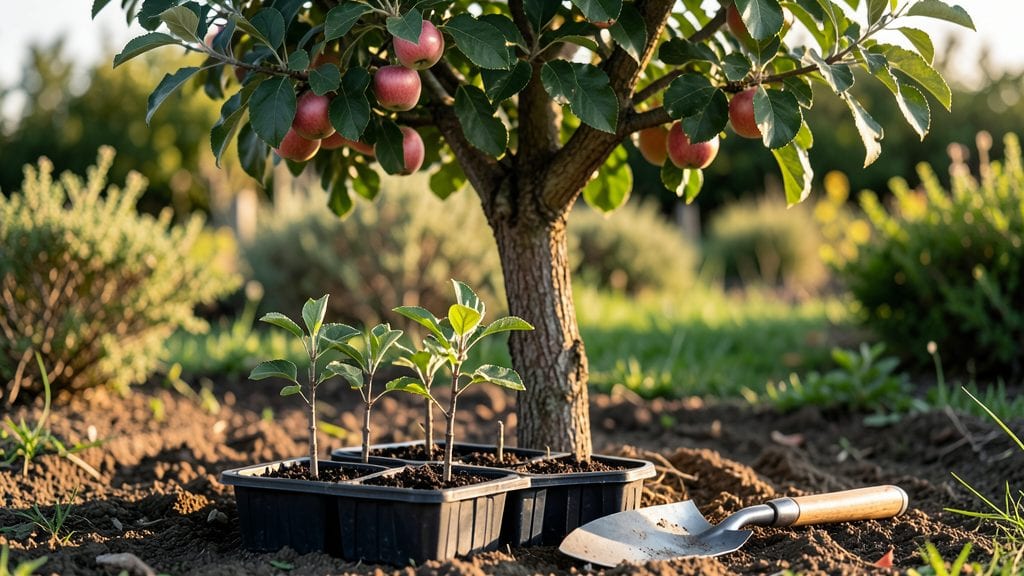
Growing Pink Lady apple seeds into trees feels like betting on a long-term garden romance—one that requires patience, the right timing, and a little winter magic. 🌱 Cold stratification isn’t just a step; it’s the secret handshake that wakes seeds from their dormant slumber, ensuring those tiny embryos get the signal they need to sprout reliably next spring.
The process starts with fresh, properly stored seeds and a DIY stratifying setup that mimics nature’s slow thaw. You’ll need a moist paper towel, a sealed plastic bag, and a fridge for about 8-12 weeks—no fancy equipment, just attention to detail.
Most gardeners skip this step and wonder why their seeds flop, but this method boosts germination rates from hit-or-miss to consistent and predictable.
By following these steps, you’ll watch those first pale green leaves unfurl in early spring, a reward that makes the wait worthwhile. The trees you grow won’t produce fruit identical to store-bought Pink Ladies, but the adventure—and the potential for unique varieties—is half the fun.
Think of it as growing a tree with a wild heart.
If you’re dreaming of a backyard orchard, this is your first move toward reliable blooms. Just remember: grafting comes later for fruit quality, but the joy of watching a seedling grow into a tree is priceless. Let’s get those seeds ready for their winter nap.
📚 In This Guide
- What you need
- Instructions
- Tips and common mistakes
- Wrapping up and next steps
What you need
- ● Pink Lady apple seeds: 10–20 fresh, plump seeds (harvested from a ripe, organic Pink Lady apple). Pro tip: 💡 Store seeds in a paper towel in the fridge for up to 2 weeks before stratification if not using immediately.
- ● Cold stratification setup: A resealable plastic bag (quart-sized) or a small container with a lid (like a Tupperware).
- ● Moistened paper towels or coir (coconut fiber) (enough to fully envelop the seeds).
- ● Refrigerator space: A consistent 35–40°F (2–4°C) environment (most home fridges work!).
- ● Planting pots: 2–3 3–4 inch (7.5–10 cm) diameter pots with drainage holes (use biodegradable pots for transplanting later).
- ● Well-draining potting mix: A blend of 50% peat moss or coco coir, 30% perlite or vermiculite, and 20% compost (sterilized if possible). Pro tip: ✨ Avoid garden soil—it can harbor diseases!
- ● Spray bottle (for gentle moisture control).
- ● Plastic wrap or humidity dome (to retain moisture during stratification).
- ● Labeling tags and a permanent marker (to track seed varieties and planting dates).
- ● Grow lights or a sunny windowsill (for post-stratification germination).
- ○ Seedling heat mat (optional) (if your home stays below 65°F (18°C) during germination).
Step-by-step instructions for cold stratifying Pink Lady apple seeds
Transform those apple seeds into thriving trees with this simple cold stratification method.
🌱 Step 1: Extract and Clean the Seeds
Gently remove seeds from a fresh Pink Lady apple—avoid bruising the seed coat. Rinse them in cool water to remove any fruit residue, then let them air-dry on a paper towel for 24 hours. This prevents mold while keeping them viable. You'll need about 4 seeds for this process, as not all will germinate.
Store the dried seeds in a small paper envelope until stratification. I like to label them with the date and apple variety—this way, you won’t forget which seeds you’re working with come spring. Keep them in a cool, dry place until you’re ready to start stratification.
💧 Step 2: Moisten and Prepare for Cold Treatment
Place the seeds in a small container and cover them with lukewarm water for 24 hours. This softens the seed coat and kickstarts the germination process. Drain the water, then wrap the seeds in a damp paper towel. The towel should feel slightly moist but not dripping—think of a wrung-out sponge.
Here’s the thing—if the towel dries out completely, the seeds will lose moisture and fail to germinate. Place the wrapped seeds in a resealable plastic bag to lock in humidity. Squeeze out excess air before sealing to prevent mold growth. This setup mimics the natural winter conditions seeds need to break dormancy.
⏰ Step 3: Stratify in the Refrigerator
Place the sealed bag of seeds in the refrigerator for 6-8 weeks. Store them on the crisper drawer shelf, where temperatures stay consistently around 35-40°F. Check the seeds every 2 weeks—if the paper towel feels dry, mist it lightly with water and reseal the bag.
During this time, the seeds undergo a natural cold treatment that mimics winter. You won’t see any visible changes yet, but internally, the seeds are preparing to sprout. If your fridge runs warmer, extend the stratification period by 2-3 weeks—patience here ensures reliable germination later.
☀️ Step 4: Plant After Stratification
Once the stratification period ends, remove the seeds from the refrigerator and plant them ½ inch deep in a pot filled with well-draining potting mix. Use a small container—about 4-6 inches wide—to hold each seed individually. Water the soil gently until it’s evenly moist but not soggy.
Place the pot in a warm, bright spot indoors, like a sunny windowsill. Keep the soil consistently moist—never let it dry out completely. You’ll see tiny sprouts emerge in 3-6 weeks, depending on the seed’s readiness. This is the moment you’ve been waiting for—proof that your cold treatment worked!
🌿 Step 5: Transplant and Care for Young Seedlings
When seedlings reach 4-6 inches tall and develop their first true leaves, transplant them into individual 6-inch pots filled with fresh potting mix. Handle the seedlings carefully—apple roots are delicate. Water them thoroughly after transplanting to help settle the soil around the roots.
Move the pots outdoors to a sheltered spot after the last frost date. Gradually introduce them to full sun over 1-2 weeks to avoid shocking the young plants. Apple trees need plenty of space, so plan to transplant them into the ground or a large container in 1-2 years. With proper care, you’ll have blooming Pink Lady apple trees in just a few seasons!
Tips & tricks for perfectly stratified Pink Lady apple seeds
These little tricks will help you maximize your seed germination success and avoid common pitfalls that can derail your apple tree dreams.
Seed Selection Tip: Not all seeds from a Pink Lady apple will germinate, so start with 4 seeds to give yourself the best chance. Choose plump, unblemished seeds—they're more likely to break dormancy successfully. Confession: I've wasted seeds by using bruised ones that never sprouted, so always pick the best-looking ones!
The 24-Hour Drying Secret: That initial 24-hour drying period is crucial for preventing mold while keeping seeds viable. Spread them out on a paper towel in a single layer—don't stack them. If you notice any seeds developing fuzzy mold after drying, discard them immediately. This step prevents future germination problems down the road.
Temperature Matters: The refrigerator's crisper drawer maintains that ideal 35-40°F range perfectly for stratification. If your fridge runs warmer, consider placing the bag on the bottom shelf where it's typically cooler. I've had seeds fail when kept in warmer fridge sections—don't make my mistake! The consistent cold is what tricks the seeds into thinking winter has passed.
Check Your Work: When you're checking the seeds every 2 weeks, gently squeeze the paper towel—it should feel like a well-wrung sponge. If it's bone dry, mist it lightly with water and reseal immediately. Overly dry conditions can kill seeds that were so close to sprouting. This simple check prevents all the heartbreak of failed germination.
Pro Tips for Pink Lady Seeds
- These little tricks will help you maximize your seed germination success and avoid common pitfalls that can derail your apple tree dreams.
- Seed Selection Tip: Not all seeds from a Pink Lady apple will germinate, so start with 4 seeds to give yourself the best chance.
- The 24-Hour Drying Secret: That initial 24-hour drying period is crucial for preventing mold while keeping seeds viable.
Frequently asked questions
Got questions about growing Pink Lady apple seeds? You’re not alone! Here are some of the most common queries—plus quick, actionable answers to help you succeed.
Do Pink Lady apple seeds grow true to the parent tree?
Unfortunately, no! Pink Lady apple seeds won’t produce identical fruit. Apple trees grown from seed are rootstocks—they’ll sprout a random variety with different flavors, colors, and growth habits. For true Pink Lady apples, grafting is the way to go. But hey, the surprise factor can make seed-grown trees a fun experiment!
How long does cold stratification take for Pink Lady seeds?
Cold stratification requires 6–12 weeks in the fridge (34–40°F). Place moistened seeds in a sealed container with damp peat moss or paper towels, then store them in a plastic bag. Check them monthly—if they sprout, move them to soil! Patience is key here; don’t rush the process.
Can I skip cold stratification and plant seeds directly?
While possible, it’s not recommended. Skipping stratification often results in poor germination (or no germination at all). If you’re in a mild climate, try planting seeds in fall—nature’s cold period will do the work. Otherwise, stick to the fridge method for best results.
Why aren’t my Pink Lady seeds germinating after stratification?
Several factors could be at play:
- Old seeds: Pink Lady seeds lose viability over time (1–2 years max). Use fresh seeds for higher success.
- Improper moisture: Too dry? Too soggy? Keep them consistently damp (not wet) during stratification.
- Temperature issues: If your fridge is too warm (>40°F), stratification fails. Use a dedicated seed fridge or a cold basement.
- Dormancy quirks: Some seeds need extra time. Extend stratification to 16 weeks if needed.
Where’s the best place to plant Pink Lady seedling trees?
Pick a sunny spot with 6+ hours of direct sunlight and well-draining soil. Avoid low areas where water pools—root rot is a seedling’s worst enemy! If your climate has harsh winters, plant in a sheltered location. Mulch around the base to retain moisture and regulate soil temperature.
Wrapping up and next steps
Growing Pink Lady apple seeds is a rewarding journey that connects you to nature’s cycle—and with the right cold stratification techniques, you’re well on your way to nurturing vibrant blooms next spring! 🌱 Whether you’re a seasoned gardener or a curious beginner, patience and care will pay off as your seedlings sprout.
Now’s the perfect time to plant those stratified seeds and watch your green thumb shine.
Next steps:
- 📅 Mark your calendar for spring planting (typically after the last frost).
- 🌿 Keep a gardening journal to track progress and celebrate milestones!
- 🌸 Share your success with fellow plant lovers—every seedling starts with a dream!