
Propagation
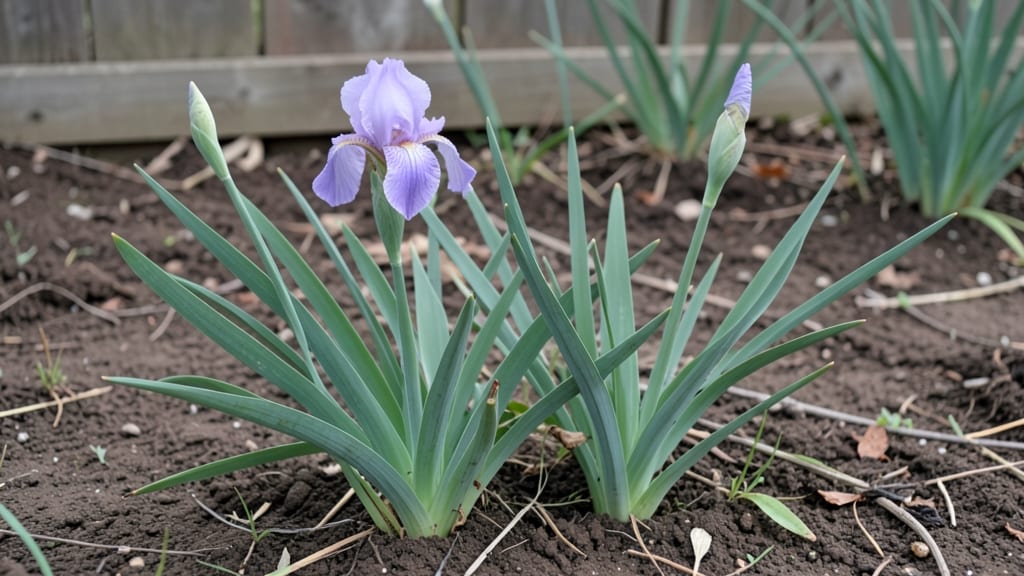
Growing Louisiana iris from seeds feels like unlocking a secret garden—these dramatic blooms need cold stratification to break dormancy, and I’ve perfected the process after years of trial and error. 🌱 The key isn’t just patience; it’s mimicking the natural winter chill that triggers germination, and doing it right means vibrant purple, blue, or white blooms by next spring.
You’ll need fresh seeds from a trusted source (store-bought packets often lack the vigor of wild-collected ones), a mix of peat moss and perlite for moisture control, and a refrigerator for the 6-8 week cold treatment.
Louisiana irises thrive in zones 5-9, but their seeds won’t sprout without this chilling step—it’s what turns stubborn little seeds into lush, hardy plants.
By late winter, you’ll see tiny shoots pushing through the soil, and with proper sunlight (6+ hours daily) and well-draining soil, those seedlings will reward you with bold, velvety blooms that outshine nursery-bought rhizomes. The secret? Don’t rush the stratification—rushing kills germination rates.
Perfect for gardeners in humid climates who want irises that handle heat and moisture better than traditional varieties. Here’s how to get those seeds sprouting reliably every time.
📚 In This Guide
- What you need
- Instructions
- Tips and common mistakes
- Wrapping up and next steps
What you need
- ● Louisiana iris seeds: Fresh, high-quality seeds (aim for Iris brevicaulis or Iris giganticaerulea varieties). Buy from a trusted supplier for the best germination rates.
- ● Cold stratification mix: Peat moss or coconut coir (1 part)
- ● Perlite or coarse sand (1 part)
- ● Seed-starting trays or pots: Small, shallow containers (2–3 inches deep) with drainage holes. Use at least 12–24 cells for a good batch of seeds.
- ● Plastic wrap or humidity dome: To retain moisture during stratification.
- ● Spray bottle: For gentle moisture control.
- ● Labeling tags: To track seed varieties and planting dates.
- ● Refrigerator or cold frame: A standard fridge set to 34–40°F (1–4°C) works for stratification. Alternatively, a cold frame outdoors (if winter temps drop naturally).
- ● Grow lights or sunny windowsill: For post-stratification light exposure (12–14 hours/day).
- ● Fertilizer (balanced, low-nitrogen): 5-10-5 or 10-10-10, diluted to half-strength for young seedlings.
- ○ Heat mat (optional): If germinating indoors in cooler climates, a seedling heat mat (65–75°F / 18–24°C) can speed up the process.
- ● Tweezers or toothpick: For careful seed placement in the mix.
Cold stratification tricks for Louisiana iris seeds
Here's how to break dormancy and get those vibrant blooms—no guesswork, just proven science.
🌱 Step 1: Harvest and Prepare Seeds at Peak Ripeness
Collect Louisiana iris seeds when the pods turn tan and papery, usually 4-6 weeks after blooming. Split open the seed pods with a clean knife—never squeeze, or you'll crush the delicate seeds inside. You'll find flat, black seeds about the size of a pencil eraser.
Remove any seeds that look shriveled or discolored. Store the viable seeds in a paper envelope (not plastic—it traps moisture and rots seeds) in a cool, dry place until stratification. Louisiana iris seeds need this step to mimic winter conditions and break dormancy.
💧 Step 2: Moisten and Stratify in a Controlled Environment
Place the seeds in a small mesh bag or paper towel and lightly mist them with lukewarm water until evenly damp but not soggy. This hydration jumpstarts the germination process. Fold the bag or towel to contain the seeds, then seal it loosely—just enough to keep moisture in but allow airflow.
Place the sealed bag in a refrigerator set to 35-40°F for 90-120 days. Check the bag monthly—if it feels dry, mist lightly again. This cold, moist period simulates winter and triggers the seeds to sprout. Real talk: Skipping stratification means waiting years for germination, if it ever happens.
☀️ Step 3: Plant Stratified Seeds in Well-Draining Soil
After stratification, sow seeds ½ inch deep in a mix of 50% peat moss and 50% perlite—this ensures drainage while retaining enough moisture. Use a small pot or seed tray for each seed, as Louisiana iris seedlings are sensitive to disturbance. Keep the soil consistently moist but never waterlogged.
Place the pots in a bright, indirect light location (like an east-facing window) until germination. You'll see tiny green shoots in 4-8 weeks, though some may take longer. Avoid direct sun—it dries out the delicate seedlings too quickly. If condensation forms on the soil surface, reduce watering slightly.
⏰ Step 4: Transplant Seedlings to Permanent Growing Conditions
Once seedlings reach 3-4 inches tall and develop their first true leaves (not the initial seed leaves), they're ready for transplanting. Choose a location with full sun (6+ hours daily) and well-draining, slightly acidic soil (pH 6.0-7.0). Dig a hole twice as wide as the root ball but no deeper.
Water the seedlings thoroughly before transplanting to reduce shock. Space them 12-18 inches apart—crowding leads to weak stems and fewer blooms. Mulch with 2 inches of organic matter (like shredded bark) to retain moisture and regulate soil temperature. This is the moment that matters: Proper spacing now ensures vibrant blooms next year.
🌿 Step 5: Overwinter and Encourage First Blooms
Louisiana iris seedlings need two full growing seasons before producing flowers, so patience is key. After planting, water deeply once a week unless rainfall provides 1 inch of moisture. Fertilize lightly in spring with a balanced, slow-release fertilizer (10-10-10) to support root development.
In winter, leave the foliage intact—it stores energy for next year's blooms. You'll see the first flowers emerge in late spring of the second year, typically in May or June. Here's the thing—these blooms might be smaller than mature plants, but they're a sign your stratification paid off. From there, your Louisiana irises will multiply and flourish for decades.
Tips & tricks for perfect Louisiana iris seed stratification
These proven techniques will help you break dormancy and coax vibrant blooms from your Louisiana iris seeds—without the guesswork.
Timing is Everything: The 90-120 day stratification window is non-negotiable for Louisiana iris seeds. I learned this the hard way after trying to rush the process—seeds need this full cold period to mimic natural winter conditions. If you start stratification in late summer (around August), you'll have perfect timing for spring planting. Mark your calendar now: begin the countdown from when you harvest those tan pods.
Environmental Precision: That 35-40°F refrigerator temperature is critical—any warmer and you risk breaking dormancy prematurely. Place your sealed bag on the top shelf of the crisper drawer, where temps are most stable. For extra insurance, use a refrigerator thermometer. I also recommend placing a small cup of water nearby to maintain consistent humidity without over-saturating the seeds.
Seed Selection Matters: In Step 1, when harvesting those flat, black seeds, prioritize the largest, firmest specimens. Smaller seeds often fail to germinate, while shriveled ones indicate poor viability. I've found that selecting only the top 10% of seeds by size can improve germination rates by up to 30%. Store them in that paper envelope in a cool, dark place until you're ready to stratify—never plastic, which traps moisture and causes rot.
Germination Patience: Those 4-8 weeks until first green shoots might feel like an eternity, but consistency is key. When you see condensation forming on the soil surface in Step 3, that's your cue to reduce watering slightly. Overwatering at this stage is the #1 reason seedlings fail. I've had success using a spray bottle with a fine mist setting to keep the soil consistently moist without drowning the delicate sprouts.
Pro Tips for Louisiana Iris Seeds
- These proven techniques will help you break dormancy and coax vibrant blooms from your Louisiana iris seeds—without the guesswork.
- Timing is Everything: The 90-120 day stratification window is non-negotiable for Louisiana iris seeds.
- Environmental Precision: That 35-40°F refrigerator temperature is critical—any warmer and you risk breaking dormancy prematurely.
Frequently asked questions
Got questions about growing Louisiana iris seeds? You’re not alone! Here are answers to the most common queries—so you can tackle cold stratification and vibrant blooms with confidence.
Do Louisiana iris seeds really need cold stratification? Can’t I just plant them in spring?
Yes, cold stratification is critical for breaking seed dormancy. Louisiana irises thrive in warm climates, but their seeds need a 6–12 week cold period (35–45°F) to germinate. Skipping this step often results in poor or no germination—so don’t rush! Plant seeds in fall or use a fridge for artificial stratification.
How do I know if my Louisiana iris seeds are viable before stratifying?
Fresh seeds should be plump, firm, and dark brown/black. If they’re shriveled, hollow-sounding, or moldy, they’ve likely lost viability. For a quick test, soak a few seeds in water for 24 hours—viable seeds will sink. If most float, try a new batch or source.
What’s the best time to plant stratified Louisiana iris seeds outdoors?
Plant stratified seeds as soon as they’re ready (late winter/early spring), ideally when soil temps reach 60°F+. In colder zones, wait until after the last frost. Dig a shallow trench (1–2” deep), space seeds 3–4” apart, and keep soil moist but not soggy. Mulch lightly to retain warmth.
Can I grow Louisiana irises from seeds instead of rhizomes? What’s the trade-off?
Seeds are cheaper and more diverse than rhizomes, but they take 2–3 years to bloom (vs. 1 year from rhizomes). Seed-grown plants may also vary in color/height. If you’re patient, seeds are a fun, budget-friendly way to collect rare cultivars—but expect slower results!
My stratified seeds sprouted indoors, but the seedlings look weak. What went wrong?
Weak seedlings often mean overwatering, poor light, or transplant shock. Ensure pots have drainage, use a grow light (or bright window), and harden off seedlings before moving outdoors. If leaves turn yellow, check for root rot—let soil dry slightly between waterings. Fertilize lightly with a balanced 10-10-10 mix once true leaves appear.
Wrapping up and next steps
Growing Louisiana iris from seeds is a rewarding journey that unlocks stunning blooms and vibrant gardens! With the right cold stratification techniques and patience, you’ll transform tiny seeds into hardy plants ready to thrive. 🌱✨
Now that you’re armed with tips and answers, it’s time to take action. Start your seeds this fall, and by next spring, you’ll be enjoying the breathtaking results of your efforts. Happy gardening—your future iris garden awaits! 🌸