Pruning
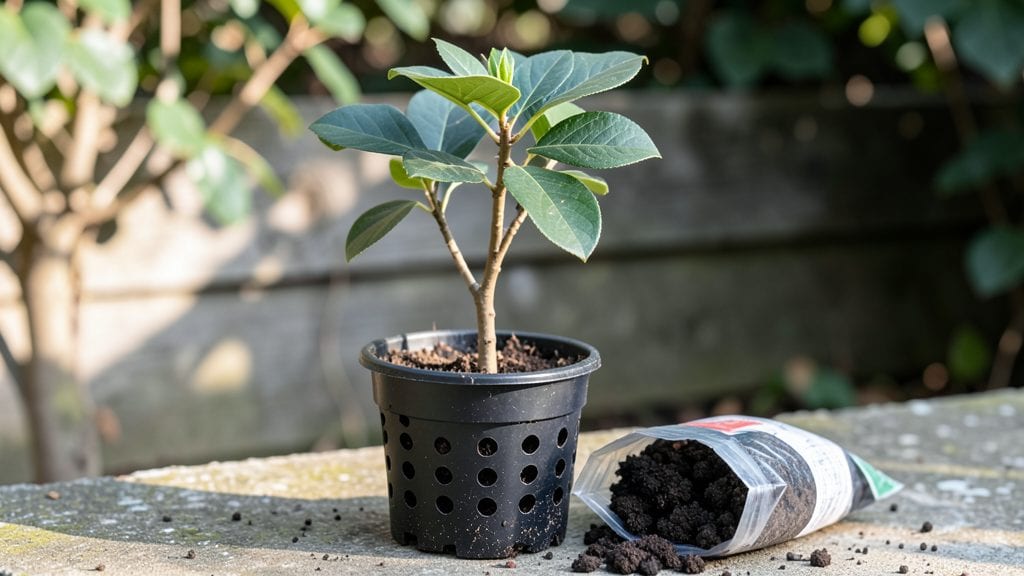
Growing a loquat tree from seedling feels like nurturing a tiny tropical treasure—especially when you start in sunny containers. 🌱 I’ve watched these delicate seedlings transform into sturdy plants with just a few key adjustments, and the process is simpler than you’d think.
The secret lies in mimicking their natural environment: bright light, well-draining soil, and patience as they settle in. Most people overwater or underestimate their need for warmth, but with the right approach, you’ll see those first leaves unfurl within weeks.
You’ll need a 4-inch container with drainage holes, a mix of potting soil and perlite, and a warm spot near a south-facing window or under grow lights. Loquat seedlings thrive in 65-75°F temperatures and prefer moisture but hate soggy roots—think of it like keeping a houseplant happy, not a swamp.
The first few weeks are critical: too much water drowns them, while too little stunts growth. I learned this the hard way after losing my first batch to root rot.
By month three, your seedling will reward you with glossy, dark green leaves and maybe even a few tiny buds if conditions are perfect. The real magic happens when you transition it outdoors after the last frost, where it can stretch toward the sun and develop that signature loquat shape.
You’ll end up with a plant that’s not just surviving, but actively growing—and that’s when the excitement kicks in.
Works just as well on a sunny patio as in a greenhouse, making it perfect for small spaces or warm climates. The key is consistency: watch for pests like spider mites, keep the soil lightly moist, and don’t rush the transition.
Once established, these trees become low-maintenance workhorses—just don’t expect fruit for a few years. But the journey? That’s where the real satisfaction lies.
📚 In This Guide
- What you need
- Instructions
- Tips and common mistakes
- Wrapping up and next steps
What you need
- ● Loquat seeds: 5–10 fresh, plump seeds (harvested from ripe fruit; avoid dried or shriveled ones).
- ● Seed-starting containers: 4–6 small pots (3–4 inches in diameter) or
- ● 1 long seed tray with individual cells (for organized sprouting).
- ● Well-draining potting mix: 2–3 gallons of a sterile, seed-specific blend (avoid garden soil—it’s too dense!).
- ● Spray bottle: For gentle watering (no heavy streams!).
- ● Plastic wrap or humidity dome: To retain moisture while seeds germinate.
- ● Grow lights or sunny windowsill: Loquats love bright, indirect light (6+ hours daily).
- ● Small hand trowel: For planting seeds without disturbing roots.
- ○ Label markers & tags: To track seedling varieties (optional but helpful!).
- ○ Heat mat (optional): Speeds up germination (70–80°F is ideal).
- ● Fertilizer (after sprouting): A balanced, water-soluble fertilizer (diluted to half-strength).
- ● Pruning shears (future use): For shaping your loquat tree as it grows!
Step-by-Step instructions for growing loquat tree seedlings
Here's my foolproof way to get your loquat seedlings off to a strong start—no fancy tools or guesswork.
🌱 Step 1: Prepare the Seed Starting Mix and Pots
Fill your 4-inch diameter pots with a mix of 50% potting soil and 50% perlite. The perlite keeps roots from sitting in soggy soil, which loquats hate. Tap the pot gently to settle the mix, then moisten it until it feels like a wrung-out sponge—damp but not dripping.
Loquat seeds need warmth to germinate, so place the pots on a seedling heat mat set to 75-80°F. If you don’t have a heat mat, a sunny windowsill near a south-facing window works, but germination will take longer. The key is keeping the soil consistently warm—cold soil slows or stops germination entirely.
🌱 Step 2: Plant the Seeds at the Right Depth
Press one loquat seed ½ inch deep into the soil, about 1 inch from the pot’s edge. Planting too deep delays sprouting because the seedling must push through extra soil. Cover it lightly with a thin layer of the potting mix, then mist the surface with water until evenly moist.
Place a clear plastic dome or plastic wrap over the pot to trap warmth and humidity. Check daily for condensation—if the inside fogs up, your humidity is perfect. If it stays dry, mist lightly again. Seeds need this cozy environment to break dormancy and sprout.
☀️ Step 3: Provide Warmth and Light for Germination
Keep the pots in a warm spot with indirect light until the seeds sprout, which can take 2-4 weeks. Too much direct sun now will dry out the soil too fast. Once you see tiny green shoots, remove the plastic cover immediately—trapped moisture invites mold, which can kill seedlings overnight.
Move the pots to a bright spot with 4-6 hours of filtered sunlight daily. A south-facing window with sheer curtains works well. Avoid harsh midday sun, which can scorch delicate young leaves. You’ll know your seedlings are happy when they grow 1-2 inches tall and develop their first set of true leaves.
💧 Step 4: Water and Care for Young Seedlings
Water when the top ½ inch of soil feels dry—usually every 3-4 days. Use a spray bottle to mist the soil gently, avoiding the leaves. Overwatering is the biggest killer of young loquat seedlings, so let the soil dry slightly between waterings. Yellowing leaves mean you’re watering too much.
After 4-6 weeks, when seedlings reach 4-6 inches tall, transplant them into 6-inch pots with fresh potting mix. Handle the seedlings by their leaves, not the stems, to avoid damaging the roots. Place them in a spot with full sun and continue watering when the top inch of soil is dry.
Tips & tricks for perfect loquat tree seedlings
Here's what I learned after watching my first batch of loquat seedlings struggle—these tricks make all the difference in your sprouting success.
Soil Temperature is Everything: Those 75-80°F soil temps in Step 1 aren't just suggestions—they're non-negotiable for germination. I learned this the hard way when my seeds sat in a 65°F kitchen for a week without sprouting. If you don't have a heat mat, try placing your pots on top of your fridge (where it's warmest) or nestle them in a pile of warm towels. The goal is to mimic tropical conditions where loquats naturally grow.
Depth Matters More Than You Think: Planting seeds only ½ inch deep in Step 2 might seem shallow, but there's a reason for it. Loquat seeds need room to push through soil without struggling. I once planted mine 1 inch deep and waited three weeks for sprouts—only to realize they'd given up. The rule of thumb is: seed depth should be about 3 times the seed's width. For loquat seeds, that's just ½ inch.
Humidity Check is Critical: That plastic dome in Step 2 isn't just decoration—it's creating a greenhouse effect. Check for condensation daily: if you see droplets on the inside, you're golden. If it's dry, mist lightly. I used to over-mist, thinking more moisture was better, but that just led to moldy soil. Aim for the inside to feel like a steamy bathroom mirror—foggy but not dripping.
Transplant Timing Secret: Wait for those 4-6 weeks until seedlings hit 4-6 inches before moving to 6-inch pots. I made the mistake of transplanting too early when they were only 2 inches tall, and their delicate roots got damaged. When you do transplant, gently squeeze the pot sides to encourage roots to grow outward—this gives them a head start in their new home.
Pro Tips for Loquat Tree Seedling
- Here's what I learned after watching my first batch of loquat seedlings struggle—these tricks make all the difference in your sprouting success.
- Soil Temperature is Everything: Those 75-80°F soil temps in Step 1 aren't just suggestions—they're non-negotiable for germination.
- Depth Matters More Than You Think: Planting seeds only ½ inch deep in Step 2 might seem shallow, but there's a reason for it.
Frequently asked questions
Got questions about growing loquat tree seedlings? You’re not alone!
Here are answers to the most common concerns—from timing to troubleshooting—so you can nurture your citrusy dream tree with confidence.
How long does it take for loquat tree seedlings to sprout?
With proper moisture and warmth (around 70–80°F), seeds typically sprout in 2–4 weeks. Keep the soil consistently damp (not soggy!) and place the container in bright, indirect light. Patience is key—some stubborn seeds may take up to 6 weeks to crack open! Pro tip: Soak seeds in warm water for 24 hours before planting to speed up germination.
When is the best time to plant loquat tree seeds?
Spring (after last frost) is ideal for outdoor planting, but you can start indoors anytime in a warm, sunny spot. If you’re in a cooler climate, begin seeds 8–10 weeks before the last frost to give seedlings time to harden off. Bonus: Loquat trees thrive in USDA Zones 8–11, so check your local frost dates!
Why aren’t my loquat tree seedlings germinating?
Seeds may fail to sprout due to cold soil, dry conditions, or old/damaged seeds. Try these fixes:
- Move the container to a warmer spot (like near a sunny window or under a grow light).
- Ensure the soil stays moist but well-draining—overwatering can suffocate seeds.
- Test seed viability by cutting one open—if it’s hard and white inside, it’s still good!
Can I grow a loquat tree from a store-bought fruit’s seed?
Yes! But expect unpredictable results—seed-grown trees may take 5–7 years to fruit (vs. 2–3 for grafted varieties) and could produce different-quality fruit. For faster, more reliable trees, opt for nursery-grown seedlings or grafted saplings. Fun fact: Some loquat seeds yield trees with unique flavors—worth a try if you’re patient!
How do I transplant loquat seedlings without killing them?
Acclimate seedlings to outdoor conditions for 1–2 weeks before transplanting (a process called hardening off). Choose a sunny, well-draining spot and water deeply after moving. Key steps:
- Dig a hole twice as wide as the root ball but only as deep.
- Amend the soil with compost for nutrients.
- Avoid transplanting during extreme heat or cold.
Are there any common pests to watch for in loquat seedlings?
Young seedlings may attract aphids, scale insects, or spider mites. Keep an eye out for sticky leaves (aphids) or white webbing (spider mites). Treat mild infestations with neem oil or a strong spray of water. For severe cases, use an insecticidal soap labeled for young plants. Prevention tip: Encourage beneficial insects like ladybugs to visit your seedlings!
Wrapping up and next steps
Growing loquat tree seedlings in sunny containers is a rewarding journey that blends patience with the joy of nurturing life. With the right soil, sunlight, and care, you’ll soon watch those delicate sprouts transform into vibrant, fruit-bearing trees—all from a tiny seed! 🌱
Now that you’re armed with the essentials, take the next step: grab your supplies, pick a bright spot, and let your green thumb shine. Whether you’re a seasoned gardener or a curious beginner, every seedling starts somewhere—and yours could be the beginning of something beautiful. Happy planting! 🌞