Propagation
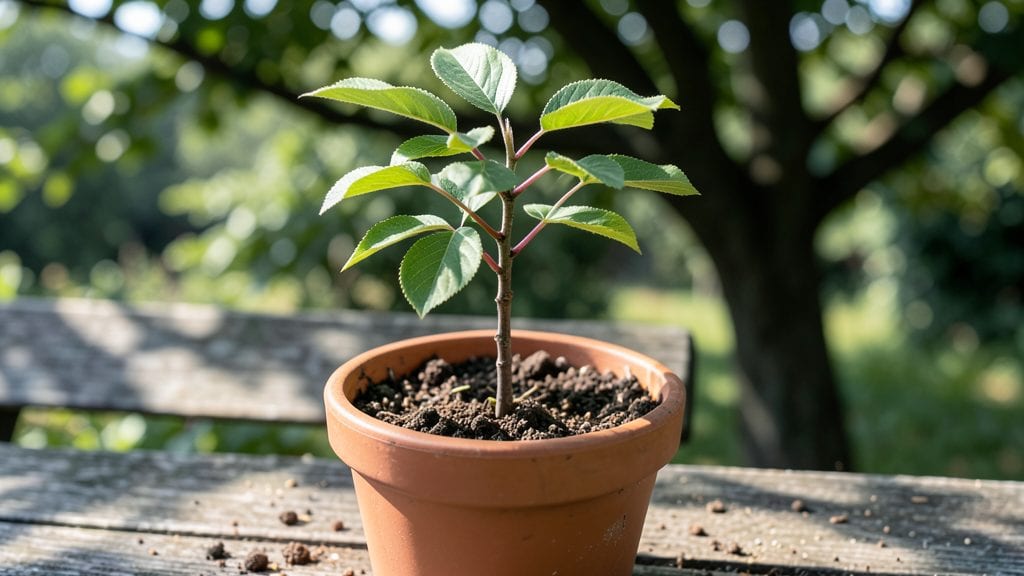
The identification of a cherry seedling begins with its leaves—those serrated, oval shapes with pointed tips are your first clue. 🌱 I’ve spent years sorting through seedlings, and the ones with fine-toothed edges and a slightly waxy texture almost always turn out to be cherries.
But here’s the catch: similar-looking plants like plums or hawthorns can fool even experienced gardeners if you’re not looking closely.
The real game-changer is comparing growth patterns—cherry seedlings grow upright with smooth, reddish-brown stems, while weeds or wild plums often sprawl or have rough bark. I keep a reference photo of mature cherry leaves nearby to double-check, especially when seedlings are still small and features aren’t obvious.
This simple habit saved me from planting the wrong tree twice.
You’ll spot the difference in just a few minutes once you know what to look for: the leaf arrangement (alternate, not opposite), the way veins fan out from the center, and the subtle glossiness.
Even if you’re unsure, a quick rub between your fingers—cherry leaves feel almost velvety—can confirm it. Mistakes here mean years of waiting for fruit that never comes.
When in doubt, snap a photo and compare it to a trusted plant ID app or ask your local extension office. They’ve seen every misidentification trick in the book.
The key is acting fast—cherry seedlings grow like weeds if left unchecked, and by summer, distinguishing them gets a whole lot harder.
Root Causes Of Misidentification
Misidentifying cherry seedlings can be frustrating, especially when you’re hoping to grow a specific variety like sweet, sour, or tart cherries. Understanding the why behind these errors helps you spot clues more accurately. Below are the most common reasons for confusion—backed by science—and how they play out in your garden.
Many cherry trees share overlapping traits, making them look nearly identical at first glance.
For example: - Sweet cherries (Prunus avium) and sour cherries (Prunus cerasus) both have simple, serrated leaves, but their leaf shape, size, and vein patterns differ slightly. - Wild cherries (Prunus serotina) resemble cultivated types but often have longer, narrower leaves and a distinctive bitter almond scent when crushed. - Hybrids (like Prunus × yedoensis, the Japanese cherry) may blend features, creating confusion.
Actionable Tip: 🔍 Examine the leaf base—sweet cherries often have asymmetrical bases, while sour cherries tend to be more rounded.
Seedlings (especially those from pits) look nothing like mature trees because:
- Leaf shape evolves—young cherry seedlings may have smaller, less serrated edges than adults.
- Growth rate varies—some species sprout faster, leading to misjudged maturity stages.
- Environmental stress (like poor soil or drought) can stunt development, making identification harder.
Science Note: 📊 A study in HortScience found that cherry seedlings take 2–3 years to develop diagnostic leaf traits, so early identification is often unreliable.
Not all cherry seeds come from the same tree—or even the same species.
Common pitfalls: - Bird-dispersed seeds (from wild cherries) may land in your garden, growing into unexpected varieties. - Hybrid crosses (like sweet × sour) produce seedlings with mixed traits, making them hard to classify. - Store-bought pits (from grocery store cherries) are often sour cherry hybrids, not the sweet varieties you might want.
Pro Tip: ✨ If propagating from seed, cross-reference with a known parent tree—or buy certified seedlings from nurseries.
Temperature, sunlight, and soil affect leaf development:
- Cool climates can produce darker, thicker leaves with more pronounced serrations.
- Drought stress may cause leaves to curl or shrink, altering their shape.
- Late-season growth (like fall flushes) can yield smaller, less distinct leaves.
Field Test: 🌡️ Compare leaves from the same plant in different seasons—consistency is key for accurate ID.
Some cherry species lack obvious distinguishing features until they flower or fruit.
Key missing clues: - No flowers/fruit = no confirmation of sweet vs. sour (sweet cherries have white-pink blooms; sour cherries are redder). - Bark and branch patterns (like horizontal lenticels in wild cherries) are often overlooked. - Root structure (e.g., taproots in wild cherries vs. fibrous roots in cultivated types) requires digging.
Expert Hack: 🎯 Wait for spring blooms—flower color and arrangement are 100% reliable for species ID.
Even experienced growers mix up traits because:
- Over-reliance on one feature (e.g., leaf size alone won’t distinguish sweet from sour).
- Ignoring the whole plant—some focus only on leaves, missing stem hairiness (common in wild cherries).
- Assuming all cherries are edible—many ornamental cherries (Prunus mahaleb) are bitter and inedible.
Quick Checklist: ✅ Leaf serration depth (fine in sweet, coarse in sour) ✅ Leaf base shape (asymmetrical vs. rounded) ✅ Scent when crushed (almond-like = wild; none = cultivated) ✅ Growth habit (upright = sweet; bushy = sour)
Fixing Common Cherry Seedling Issues
Once you’ve identified your cherry seedling, the next step is ensuring it thrives. Misidentification or poor growth often stems from environmental or care-related causes. Below are practical solutions tailored to the most common problems, along with prevention tips to keep your seedlings healthy and accurate.
Cause: Seedlings competing for nutrients, light, or space. Fix:
- 🔥 Thin the seedlings by removing weaker ones, leaving only the strongest 2–3 inches apart.
- 🍳 Repot into individual containers (3–4 inches deep) with well-draining soil.
- 👨🍳 Transplant outdoors once roots fill the pot and weather permits (spring or early fall).
Prevention Tips: ✨ Start with proper spacing—plant seeds ¼ inch deep, 1 inch apart in trays. ✨ Use larger pots (5+ inches) if growing multiple seedlings together temporarily. ✨ Fertilize lightly with a balanced 10-10-10 formula every 4–6 weeks to avoid overfeeding.
Cause: Overwatering, underwatering, or nutrient deficiencies. Fix:
- 🌡️ Check soil moisture—insert a finger 1 inch deep. Water only if dry.
- 💡 Adjust watering: Keep soil consistently moist but not soggy. Drain excess water from saucers.
- 🥗 Test soil pH (ideal: 6.0–7.0 for cherries). Amend with lime if too acidic or sulfur if too alkaline.
- 🍎 Fertilize with a low-nitrogen, high-phosphorus formula (e.g., 5-10-10) when leaves appear pale.
Prevention Tips: ✨ Use containers with drainage holes to prevent root rot. ✨ Mulch with wood chips to retain moisture without suffocating roots. ✨ Monitor humidity—cherry seedlings prefer 40–60% humidity. Use a humidity tray if indoors.
Cause: Aphids, spider mites, or fungal infections (e.g., powdery mildew). Fix:
- 🔪 Spray pests with neem oil (1 tsp per quart of water) or insecticidal soap weekly.
- 🍄 Treat fungal issues by removing affected leaves and applying baking soda spray (1 tsp baking soda + 1 quart water + a drop of dish soap).
- 🌿 Quarantine infected seedlings immediately to prevent spread.
Prevention Tips: 💡 Inspect seedlings weekly for early signs of pests (sticky residue, webbing). 🎯 Encourage beneficial insects like ladybugs or lacewings by planting marigolds nearby. 🌡️ Avoid overhead watering to reduce fungal spores in humid conditions.
Cause: Improper seed treatment, wrong soil, or temperature issues. Fix:
- 🔥 Stratify seeds (if needed): Place seeds in a damp paper towel in the fridge for 4–6 weeks to mimic winter.
- 🍳 Use sterile, well-draining soil (mix potting soil with perlite or sand).
- 🌡️ Maintain warmth—keep soil at 70–75°F (use a heat mat if indoors).
- 💡 Test seed viability—soak seeds in water for 24 hours; sinkers are viable, floaters are not.
Prevention Tips: ✨ Buy fresh seeds—older seeds germinate poorly. ✨ Label seeds with planting dates to track progress. ✨ Keep humidity high with a plastic dome or clear bag until sprouts appear.
Pro Tip: 🌟 Document growth with photos weekly to spot issues early. Cherry seedlings grow fast—stay proactive!
Frequently asked questions about young cherry tree identification
How can I tell if my seedling is a cherry versus a plum or peach?
Look at the leaf shape and arrangement: cherries have fine, serrated edges with a slightly waxy texture, while plums often show coarser teeth and peaches have smooth, elliptical leaves. Cherry leaves also grow alternately along the stem (not opposite like some plums). Crush a leaf—cherries rarely have that strong almond scent that wild plums often emit.
Why do my cherry seedlings look different from pictures of mature trees?
Young seedlings often have smaller, less serrated leaves than mature trees because their traits develop over 2-3 years. The key is comparing leaf bases (asymmetrical in sweet cherries) and growth habits (upright stems). If you're unsure, wait for spring blooms—cherry flowers are distinctive (white-pink for sweet varieties, redder for sour).
Can I use a plant ID app to confirm my cherry seedling?
Yes, but with caution! Most apps struggle with seedlings because their features aren't fully developed. For best results, take clear photos of multiple leaves (front and back), stems, and growth patterns. Include a ruler or coin for scale. Compare results with known cherry samples—apps often misidentify young plants as weeds or similar species.
What's the fastest way to confirm if my seedling will bear sweet or sour cherries?
Wait for spring flowers—they're the most reliable indicator. Sweet cherries have white-pink blooms with 5 petals, while sour cherries show redder flowers with 6-7 petals. If you can't wait, examine leaf bases: sweet cherries typically have asymmetrical bases, while sour cherries are more rounded. Note that store-bought pits often produce sour hybrids.
Are there any dangerous lookalikes I should avoid planting?
Yes! Black cherry (Prunus serotina) seedlings resemble cultivated cherries but contain cyanogenic glycosides (toxic compounds). They have longer, narrower leaves with a bitter almond scent when crushed. Also avoid Prunus mahaleb (almond cherry)—its small, dark leaves and bitter fruit make it inedible. Always verify with a local nursery or extension office before planting.