Vegetables
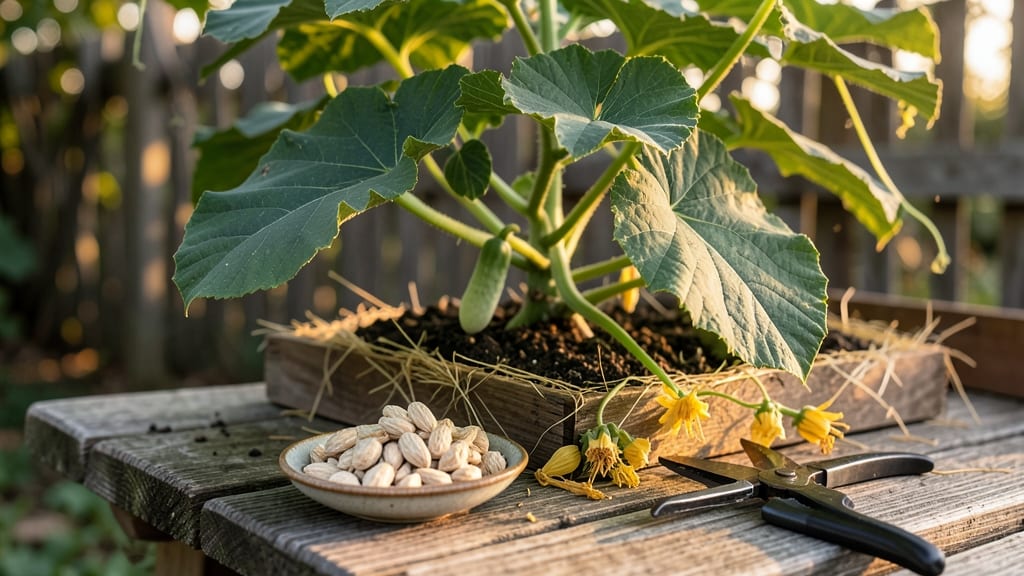
Storing cucumber seeds properly means next year’s garden starts with a head start. ✨ I’ve saved seeds from heirloom varieties for three years now, and the key is drying them just right before sealing them away.
The difference between a seed that sprouts and one that fails often comes down to how you handle that first critical week.
You’ll need a cool, dark spot, paper towels, and an envelope or small jar—no fancy equipment required. After scooping out the seeds and rinsing off the pulp, let them dry on paper towels for about a week.
This step prevents mold and keeps them from rotting in storage. Once completely dry, store them in a sealed container with a moisture absorber like silica gel.
When stored correctly, these seeds can last up to five years, though germination rates drop after three. You’ll know they’re still good when they sprout within 7–10 days of planting.
The first time I tested saved seeds, I was shocked to see them germinate as reliably as fresh ones—proof that proper storage pays off.
This method works for any cucumber variety, whether you’re saving seeds from slicers, picklers, or heirlooms. Just avoid storing seeds from hybrid varieties—they won’t grow true to type. Ready to preserve your garden’s future?
📚 In This Guide
- What you need
- Instructions
- Tips and common mistakes
- Wrapping up and next steps
What you need
- ● Mature cucumber seeds – Harvest from fully ripened cucumbers (let them turn yellow or brown on the vine). Aim for 10–20 seeds per variety (more if testing viability).
- ● Paper towels or coffee filters – 2–3 sheets (unbleached, seed-free). Avoid tissues with lotions or dyes.
- ● Paper envelope or seed packet – 1–2 (use unbleached kraft paper, manila envelopes, or breathable seed packets). Label with the variety name and date.
- ○ Air-tight container (optional but helpful) – A small glass jar with a lid (e.g., a spice jar) or a ziplock bag with a tiny hole for short-term drying.
- ● Pencil or permanent marker – For labeling.
- ● Small bowl or plate – For rinsing seeds if needed.
- ○ Fine-mesh strainer or sieve – Optional but handy for rinsing off pulp.
- ● Dry, dark, and cool space – Ideal temp: 40–50°F (4–10°C). A pantry, basement, or refrigerator crisper drawer works best.
- ○ Low humidity – Use a dehumidifier or silica gel packet (optional) if your storage area is damp.
- ● Stable conditions – Avoid freezing temps (<32°F/0°C) or direct sunlight.
- ● 💡 Ferment seeds first (if fresh): Soak cucumber slices in water for 3–5 days to break down the fruit—seeds will sink and separate easily!
- ● 🌡️ Speed-dry seeds if humid: Spread on a paper towel in a warm, dry spot (60–70°F/15–21°C) for 1–2 days before storing.
- ○ ✨ Test viability (optional): Plant 3–5 seeds in soil after 6 months—if 70%+ sprout, your batch is good!
Step-by-step instructions for storing cucumber seeds
Here's the simple method I use to keep cucumber seeds viable for planting next season.
🌱 Step 1: Extract Seeds from Ripe Cucumbers
Wait until cucumbers are fully ripe and slightly overripe—this ensures seeds are mature and ready for storage. Cut the cucumber open lengthwise and scoop out the seeds along with the gel-like pulp into a bowl. Let the mixture ferment for 3-5 days in a warm spot. You'll notice bubbles forming and a foul odor—this fermentation process removes the natural seed coat inhibitors, improving germination rates.
After fermentation, pour the mixture through a fine-mesh strainer to separate the seeds from the pulp. Rinse the seeds thoroughly under cool water to remove any remaining gel. Spread them on a clean paper towel to dry completely—this usually takes 2-3 days in a well-ventilated area. Once dry, the seeds will be hard and dark in color, ready for long-term storage.
💧 Step 2: Test and Select Viable Seeds
Before storing, test a few seeds to ensure viability. Fill a small glass with water and add 10-15 seeds. Let them sit for 15-20 minutes. Viable seeds will sink to the bottom, while empty or non-viable seeds will float. Remove the floating seeds and discard them—only store the ones that sank.
This simple water test saves you from storing seeds that won’t germinate. Once you’ve confirmed viability, let the selected seeds dry completely again. Store them in a small, airtight container like a glass jar or envelope. Label it with the cucumber variety and the harvest year to keep track of your seeds.
🪴 Step 3: Store Seeds in a Cool, Dry Environment
Place the sealed container of seeds in a cool, dry location. Ideal storage conditions include temperatures between 35-45°F and low humidity. A refrigerator or freezer works well, but avoid storing seeds directly in the door where temperatures fluctuate. If you don’t have a cool spot, a dark closet or pantry will suffice as long as it’s dry.
Check the seeds periodically for any signs of moisture or mold. If you notice condensation inside the container, transfer the seeds to a new, dry container immediately. Properly stored cucumber seeds can remain viable for 4-5 years, though germination rates may decline slightly over time.
⏰ Step 4: Prepare Seeds for Next Year’s Planting
When it’s time to plant, remove the seeds from storage and let them sit at room temperature for 24 hours to acclimate. Soak the seeds in warm water for 6-8 hours before planting to soften the seed coat and encourage faster germination. This step is especially helpful if your seeds have been stored for several years.
Plant the seeds ½ inch deep in well-draining soil and keep the soil consistently moist until germination occurs, which typically takes 7-14 days. Watch for the first true leaves to appear—this is your signal that the seeds have successfully sprouted and are ready to grow into healthy cucumber plants.
Tips & tricks for perfectly storing cucumber seeds
Here's what I've learned after saving seeds for years—these little tricks make all the difference between seeds that sprout and seeds that disappoint.
The Fermentation Factor: Don't skip that 3-5 day fermentation step in Step 1! The foul odor and bubbles are normal—they're breaking down seed inhibitors. I learned this the hard way after storing unfermented seeds that barely germinated. Place your bowl in a warm spot (like near a sunny window) to speed up fermentation, but avoid direct sunlight which can overheat the mixture.
Drying Secrets: For complete drying in Step 1, I spread seeds on a mesh screen instead of paper towels—this allows airflow on all sides. The 2-3 days drying time can vary with humidity; if your kitchen feels damp, use a fan on low to circulate air. Seeds are ready when they make a rattling sound when shaken in the container and look dark and hard.
Storage Container Wisdom: While glass jars work well, I prefer small, airtight mylar bags with oxygen absorbers for long-term storage. The 35-45°F temperature range is critical—my refrigerator's crisper drawer maintains perfect conditions. Avoid plastic containers as they can trap moisture over time, reducing viability. Label each container with the date and cucumber variety using a fine-tip permanent marker.
Viability Test Tips: For the 15-20 minute water test in Step 2, use room-temperature water—not cold. I've found that seeds from older plants (3+ years) often need a longer soak (up to 6-8 hours) before planting, just like the instructions recommend for stored seeds. This extra soaking helps break down any remaining seed coat barriers that might have formed during storage.
Pro Tips for Store Cucumber Seeds
- Here's what I've learned after saving seeds for years—these little tricks make all the difference between seeds that sprout and seeds that disappoint.
- The Fermentation Factor: Don't skip that 3-5 day fermentation step in Step 1!
- Drying Secrets: For complete drying in Step 1, I spread seeds on a mesh screen instead of paper towels—this allows airflow on all sides.
Frequently asked questions
Got questions about storing cucumber seeds?
You’re not alone! Here are some of the most common queries—plus straightforward answers to keep your seeds happy and ready for next season’s garden.
How long can I store cucumber seeds before they lose viability?
Most cucumber seeds stay viable for 3–5 years if stored properly in a cool, dry place (like a sealed container in the fridge or freezer). After 5 years, germination rates may drop, so test a few seeds in damp paper towels before planting. Pro tip: Label your seed packets with the storage date to track freshness!
Do I need to dry cucumber seeds before storing them?
Yes! Moisture is the enemy of seed storage. After scooping seeds from a ripe cucumber, spread them on a paper towel in a single layer for 3–5 days in a warm, dry spot (like a sunny windowsill). Once completely dry and brittle, transfer them to an airtight container. Skip this step, and mold or rot can ruin your seeds!
What’s the best container for long-term seed storage?
Use airtight, moisture-proof containers like:
- Mason jars with silicone liners
- Plastic or glass seed envelopes (with desiccant packets)
- Zip-top bags with a dry silica gel packet (remove before planting)
Avoid cardboard boxes—they absorb humidity. Store containers in a cool (32–41°F), dark place, like a fridge or basement.
How do I know if my stored seeds are still good?
Test a few seeds with the paper towel method:
- Moisten a paper towel and place 5–10 seeds on it.
- Fold the towel and seal it in a plastic bag.
- Store in a warm spot (70–75°F) for 3–5 days.
If 50% or more sprout, your seeds are viable! Fewer sprouts? Try planting more seeds or consider sourcing fresh ones.
Can I store cucumber seeds straight from the grocery store?
Nope! Store-bought cucumbers are often treated with wax or preservatives that can inhibit germination. Always use seeds from homegrown or heirloom cucumbers (like those from seed catalogs or farmers’ markets). Save seeds from organic cucumbers for the best results!
Wrapping up and next steps
Storing cucumber seeds properly ensures a thriving harvest next season—it’s all about drying, cooling, and sealing them right! With the right techniques, you’ll keep those seeds viable for years, ready to grow fresh, crisp cucumbers whenever you’re ready.
Now that you’re equipped with the know-how, why not take the next step? Grab those ripe cucumbers, extract your seeds, and start your storage process today. Happy gardening! 🌱