
Blooming
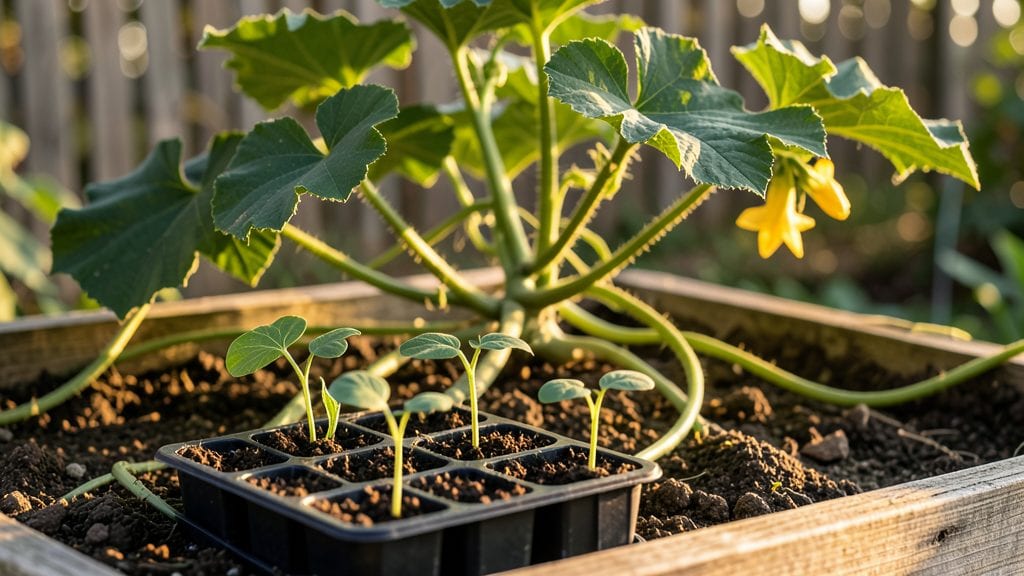
Squash seeds to sprout can take anywhere from 5 to 14 days—but that wait feels endless when you’re staring at damp soil, wondering if you’ve done something wrong.
Waiting for squash seeds to sprout can feel like an eternity—especially when you’ve carefully planted them in your garden. But knowing the right conditions and timelines can turn that waiting game into a predictable, rewarding process.
Soil temperature is the most important factor: below 60°F, germination slows to a crawl, while 70–90°F speeds things up. Moisture and seed freshness also play a role—dry soil or old seeds can stretch that timeline even longer.
Here’s what you need to know to get those little 🎃 sprouts popping faster, including how to troubleshoot delays and which varieties sprout the quickest.
Squash seed germination timeline: days to sprout by soil temperature
Understanding how long squash seeds take to sprout helps you set realistic expectations and troubleshoot delays. Most squash varieties—like zucchini, butternut, and pumpkin—germinate fastest when soil temperatures hover between 70°F and 90°F.
But cooler spring soils can stretch that timeline significantly. The key? Warm soil and consistent moisture are your best friends for speedy germination.
If you're planting in early spring when soils are still chilly, germination might take 10–14 days. In summer’s warmth, those same seeds could sprout in just 3–7 days. The difference isn’t just about patience—it’s about creating the right conditions.
Let’s break down the exact timelines based on soil temperature, so you can adjust your planting strategy for the fastest results.
🚨 summary table 🚨
| Soil Temperature (°F) | Germination Time (Days) | Best Planting Time | Notes |
|---|---|---|---|
| 50–59°F | 14–21 days | Early spring (post-frost) | Slow, risk of rot if overwatered |
| 60–69°F | 7–14 days | Late spring | Moderate speed, ideal for cool climates |
| 70–79°F | 5–10 days | Summer (ideal) | Fastest germination, best for most varieties |
| 80–89°F | 3–7 days | Hot summer | Very fast, monitor moisture closely |
| 90°F+ | 3–5 days (risk of seed burn) | Extreme heat (rare) | Seeds may dry out; use shade cloth |
Notice how soil temperature directly impacts germination speed? 70–79°F is the sweet spot for most squash varieties, offering a balance between speed and reliability. If you’re planting in early spring when soils are still cool, consider using a seedling heat mat ($15–$25) to bump temperatures up by 10–15°F.
This can cut germination time in half, giving you a head start on the growing season.
Moisture plays just as critical a role as temperature. Squash seeds need consistent dampness but not soggy conditions. Think of it like a damp sponge—not dripping wet, but never allowed to dry out.
I’ve learned the hard way that overwatering can lead to rot before seeds even sprout. A light misting or soaker hose keeps moisture even without waterlogging the soil.
Seed age also matters. Fresh seeds from this year’s harvest or a reputable supplier will germinate faster than old seeds. If you’re using saved seeds, test a few in a paper towel (place seeds between damp towels in a sealed bag) to check viability before planting.
This simple trick saves time and frustration.
For summer planting, aim for soil temps above 70°F to avoid delays. In my zone 6a, I wait until late May when the ground consistently stays warm.
If you’re in a hotter climate, like zone 9b, you can plant as early as March—but watch for seedling burn if temps exceed 90°F. Shade cloth can help here.
Pro tip: If your seeds take longer than expected, check for hard seed coats, common in some heirloom varieties. A quick scarification (lightly sanding the seed coat) or soaking in warm water for 12 hours can encourage faster germination.
I’ve seen butternut squash seeds sprout 2–3 days sooner after this treatment.
Finally, remember that patience is key. Even under perfect conditions, some seeds take longer to sprout. If you’ve planted your seeds correctly and maintained the right conditions, trust the process.
Most squash seeds will sprout within 2 weeks—unless you’re dealing with a particularly stubborn variety like acorn squash, which can take up to 14–16 days.
Once those first green shoots appear, you’ll know it was worth the wait. Keep the soil moist and give them full sun, and you’ll be harvesting zucchini or pumpkins before you know it. Happy planting! 🎃
5 Signs your squash seeds are sprouting (and what to do next)
Spotting those first signs of life from your squash seeds is one of the most exciting moments in gardening. But what exactly should you look for? The transition from seed to seedling happens in stages, and knowing these key indicators helps you adjust care before the tiny sprout emerges.
I’ll walk you through each step so you can celebrate—or troubleshoot—with confidence.
Once your seeds are planted at the right depth (1 inch) and soil temperature (at least 60°F), germination can feel like a waiting game. But with the right knowledge, you’ll spot those early signals and know exactly what to do next.
Let’s break down the 5 unmistakable signs your squash seeds are sprouting—and how to support them through the process.
-
1. Radicle Emerges (3–7 Days)
The first sign is a tiny white root (radicle) breaking through the seed coat. This happens 24–48 hours after the seed absorbs enough moisture. Check soil moisture—it should feel like a damp sponge, not soggy. -
2. Seed Coat Cracks (5–10 Days)
The seed coat will split open as the seedling pushes upward. If you see this but no sprout, gently water the area to encourage growth. Avoid disturbing the soil around it. -
3. Hypocotyl Elongates (7–14 Days)
A curved stem (hypocotyl) will appear, lifting the seedling toward light. If it’s straight and weak, it’s etiolated—move it to bright indirect light immediately. -
4. Cotyledons Unfold (10–14 Days)
Two round, thick leaves (cotyledons) will open, signaling the seedling is photosynthesizing. This is your cue to thin seedlings if overcrowded (leave 12 inches between plants). -
5. True Leaves Form (2–3 Weeks)
After cotyledons, serrated true leaves appear. This means your squash is ready for transplanting (if started indoors) or fertilizer (use a balanced 10-10-10 mix).
If your seeds take longer than 14 days to sprout, don’t panic—it could mean cool soil, old seeds, or poor moisture. I’ve found that pre-soaking seeds for 8–12 hours in warm water can speed up germination by 2–3 days.
Just avoid overwatering after planting, as soggy soil can cause rot before sprouts appear.
Once you spot the first radicle, reduce watering slightly to prevent fungal diseases like damping-off. Keep the soil consistently moist (not waterlogged) and place seedlings in a sunny spot (or under grow lights if indoors).
If your seeds haven’t sprouted after 21 days, they may be non-viable—try replanting fresh seeds.
Celebrate those first sprouts! With the right care, your squash seedlings will grow into vigorous plants ready for transplanting in 4–6 weeks. The key is patience and attention to those early signs—now you’ll know exactly what to watch for.