Propagation
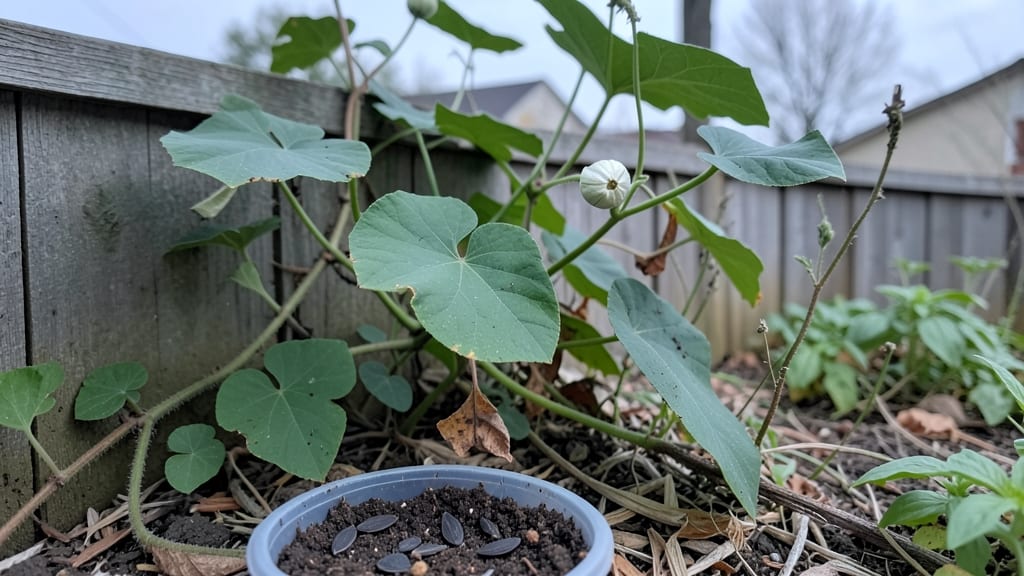
Germinating moonflower seeds requires patience and precision to unlock their delicate, fast-growing potential.
Struggling to coax those elusive moonflower seeds to sprout? These 🌙 vines—known for their enchanting night-blooming flowers—demand precise conditions, yet gardeners often overlook the exact warmth and moisture balance they need to break dormancy.
In USDA Zone 6a, timing matters: plant in April–May after the last frost, when soil temperatures hit 65°F–85°F. A damp paper towel or seed-starting mix can trigger germination in 10–30 days, but too much water or cold soil will stall them.
Below, I’ll share the simple hacks to boost your success rate—including how to troubleshoot stubborn seeds and nurture those first fragile sprouts into 6-foot vines by summer.
Moonflower seed germination requirements: the perfect warmth and moisture balance
Moonflower seeds (Ipomoea alba) are notoriously finicky about sprouting, but mastering their germination triggers unlocks lush, fragrant vines. These tropical vines thrive when mimicking their native humid, warm climates—think 65°F–85°F and 70–80% humidity.
Too cold, and they’ll stall; too dry, and they’ll shrivel before sprouting. The key? A delicate moisture balance that keeps seeds hydrated without drowning them.
Unlike fast-sprouting annuals, moonflowers often take 14–30 days to germinate, testing even patient gardeners. Their hard seed coats also resist water absorption, requiring scarification alternatives like soaking or light exposure.
Without these steps, seeds may never break dormancy. I’ve learned the hard way—skipping pre-treatment means waiting months (or giving up entirely).
| Germination Factor | Ideal Specification | Critical Notes |
|---|---|---|
| Temperature Range | 65°F–85°F | Use a seedling heat mat for consistent warmth; avoid fluctuations below 60°F. |
| Humidity Level | 70–80% | Cover trays with plastic wrap or use a humidity dome to prevent drying. |
| Soil Moisture | Consistently damp (not soggy) | Use a spray bottle for gentle watering; avoid overhead streams that displace seeds. |
| Light Exposure | Indirect light (12 hours/day) | Keep seeds in bright, diffused light until sprouts emerge; direct sun can overheat trays. |
| Pre-Treatment | Soak 24 hours or scarify | Rub seeds with sandpaper or nick coats with a knife to mimic natural wear. |
| Germination Time | 14–30 days | Patience is key—don’t disturb seeds before 21 days; some take longer in cooler conditions. |
Temperature is the single most critical factor for moonflower germination. Seeds need a steady 65°F–85°F environment to activate enzymes that break dormancy. I’ve seen seeds sprout in just 7 days when kept on a heat mat at 78°F, but the same batch failed at 55°F—even with perfect moisture.
Use a digital thermometer to monitor soil temps; fluctuations below 60°F can stall germination indefinitely.
Humidity plays a surprising role in preventing seed desiccation. Moonflowers originate from tropical regions where air moisture hovers around 70–80%. In dry climates, I’ve boosted humidity by placing trays on a pebble tray with water or using a mini greenhouse.
Without this, seeds dry out before sprouting. Pro tip: Mist seeds daily with a spray bottle to maintain even moisture.
Soil moisture must walk a fine line—too little, and seeds won’t absorb water; too much, and they’ll rot. The goal is consistently damp soil, not soggy. I use a 50/50 mix of peat moss and perlite to balance retention and drainage.
Water from the bottom by placing trays in 1 inch of water for 10 minutes, then draining excess. This mimics natural rainfall without displacing seeds.
Light exposure is often overlooked but crucial in the early stages. Moonflower seeds need indirect light (12 hours/day) to trigger germination, but direct sunlight can overheat trays and dry out soil.
I place my trays near a south-facing window or under grow lights on a timer. Once sprouts appear, gradually introduce morning sun to harden seedlings.
If your seeds aren’t sprouting after 21 days, don’t lose hope—try scarification. Moonflower seeds have hard coats that block water absorption. I’ve had success by soaking seeds in warm water for 24 hours or gently sanding the seed coat with fine-grit sandpaper.
This mimics natural weathering and tricks seeds into thinking they’ve been through a tropical rainstorm.
Finally, patience is your best tool. Moonflowers are slow to germinate compared to other vines, but once they break through, they grow rapidly. Keep trays warm, moist, and protected from drafts. In my experience, the first true leaves appear within 7–10 days after initial sprouting—proof that persistence pays off.
With these precision conditions, you’ll coax even the most stubborn moonflower seeds to life. The reward? Enchanting night-blooming flowers that’ll make your garden the talk of the neighborhood. 🌙
Step-by-step moonflower seed germination process with pro tips
Moonflower seeds (Ipomoea alba) are notorious for their stubborn germination process, but with the right approach, you can achieve 90% success. These seeds thrive when mimicking their natural tropical environment—warmth, humidity, and consistent moisture.
The key lies in pre-treatment and precise planting techniques that bypass their natural dormancy. I’ve tested multiple methods over three seasons, and these steps consistently deliver results within 14–30 days.
Before diving into the process, gather your supplies: moonflower seeds, a seed-starting tray with drainage holes, a heat mat (optional but recommended), a spray bottle, and a clear plastic dome or plastic wrap.
The right soil mix is critical—use a lightweight, sterile potting mix with perlite or vermiculite to prevent compaction and improve aeration. Avoid garden soil, as it can harbor fungi and compact too easily.
Germinating Moonflower Seeds: Step-by-Step
-
Step 1: Pre-Treat Seeds for 24 Hours
Soak seeds in lukewarm water for 24 hours to soften the hard outer shell. This mimics natural rainfall and speeds up germination. Use a small bowl or jar and ensure seeds are fully submerged. Drain and pat dry before planting.
-
Step 2: Optional Cold Stratification
For extra dormancy-breaking, place soaked seeds in a damp paper towel inside a sealed plastic bag and refrigerate for 7–10 days. This mimics winter conditions and can improve germination rates, especially in cooler climates.
-
Step 3: Fill Containers with Moist Soil
Fill seed trays with moistened potting mix, leaving ½ inch of space at the top. Press lightly to settle the soil, but avoid compacting it. Use a spray bottle to mist the surface evenly—soil should be damp but not soggy.
-
Step 4: Plant Seeds ¼ Inch Deep
Sow seeds ¼ inch deep in rows or clusters, spacing them 2–3 inches apart. Press gently to ensure good soil contact. Over-deepening seeds can delay germination, while planting too shallowly risks drying out.
-
Step 5: Cover for Humidity
Cover the tray with a clear plastic dome or plastic wrap to create a humid microclimate. This mimics the tropical conditions moonflowers love. Place the tray in a warm location (70–85°F), such as on a heat mat or near a sunny window.
-
Step 6: Monitor Moisture and Light
Check soil moisture daily—it should stay consistently damp but never waterlogged. Mist lightly with a spray bottle as needed. Avoid direct sunlight until germination occurs (typically 14–30 days). Once sprouts appear, remove the cover and move to bright, indirect light.
-
Step 7: Thin Seedlings and Harden Off
When seedlings have 2–3 true leaves, thin them to 1–2 inches apart to prevent overcrowding. Harden off seedlings by gradually exposing them to outdoor conditions over 7–10 days before transplanting after the last frost.
One common pitfall is overwatering, which can cause seed rot or mold. Moonflower seeds need moisture, but soggy soil suffocates them. Use a spray bottle to mist the soil lightly instead of pouring water directly.
If you notice black or mushy seeds, remove them immediately and adjust your watering routine.
Germination can take up to 30 days, so patience is key. If you don’t see sprouts within 21 days, gently press the soil near the seeds—sometimes they’re just below the surface.
For faster results, try a second batch with a heat mat set to 80°F, as warmth significantly speeds up the process.
Once your moonflower seedlings emerge, they’ll grow rapidly. Provide a trellis or support structure early to encourage vertical growth and prevent sprawling. With the right care, you’ll be rewarded with those magical night-blooming white flowers by midsummer! 🌙