
Pruning
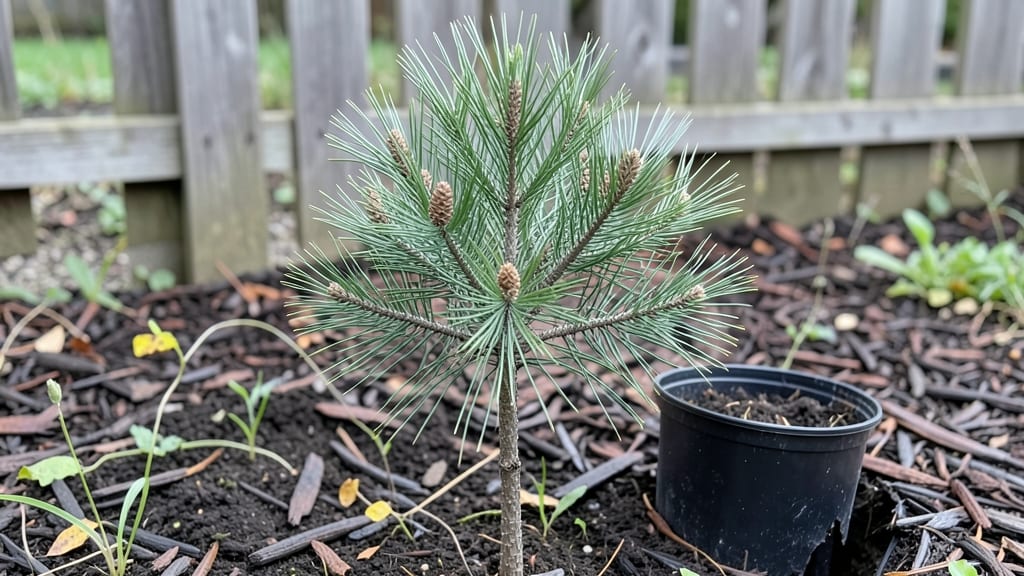
Growing evergreen trees from seeds is the ultimate patience test—and the most rewarding one. 🌲 I spent years watching pine cones sprout into towering trees, and the trick to success starts with cold stratification, a process that mimics winter’s natural dormancy period.
The right seeds, a little refrigerator time, and consistent care turn what feels like a gamble into a guaranteed forest starter.
You’ll need fresh seeds (this year’s cones work best), a damp paper towel or peat moss, and a zip-top bag for the cold treatment. Most evergreen seeds need 60-90 days in the fridge before they’ll even think about sprouting.
Spruce and fir seeds are the easiest starters, while pines can be stubborn—so don’t rush the process. A sunny windowsill or grow light keeps seedlings alive until they’re strong enough for outdoor planting.
By the time spring rolls around, you’ll have tiny seedlings with needle-like leaves that’ll grow 2-6 inches their first year. The key is keeping soil moist but not soggy—evergreens hate wet feet.
Transplant them into the ground after the last frost, and within five years, you could have a 10-foot-tall shade provider or windbreak. It’s slow, but nothing beats the pride of watching something you grew from a seed become a living landmark.
Works for any climate zone, though coastal areas may need extra shelter for young trees. The real secret? Starting early—some seeds need two years of stratification before they’ll germinate. Think of it as an investment in your future yard’s character. Here’s how to make it work without the guesswork.
📚 In This Guide
- What you need
- Instructions
- Tips and common mistakes
- Wrapping up and next steps
What you need
- ● Evergreen tree seeds: Fresh, high-quality seeds (e.g., pine, spruce, fir, or cedar). Aim for at least 50 seeds to account for germination variability.
- ● Cold stratification setup: A ziplock bag or airtight container (quart-sized or larger).
- ● Moistened peat moss, sand, or vermiculite (enough to fully submerge seeds in a 1:3 seed-to-medium ratio).
- ● Refrigerator or cold stratification chamber (maintains 35–45°F (2–7°C)).
- ● Sterilized seed-starting mix: Lightweight, well-draining potting mix (e.g., 50% peat moss + 50% perlite).
- ● Seed trays or small pots: 2–3 inch deep containers with drainage holes (for 10–20 seeds per tray).
- ● Spray bottle: For gentle watering to avoid displacing seeds.
- ● Plastic wrap or humidity dome: To retain moisture during germination.
- ● Seed germination mat – Speeds up warming after stratification.
- ● pH testing kit – Ensures your mix is slightly acidic (pH 5.5–6.5), ideal for evergreens.
- ● Grow lights – If natural light is limited (12–16 hours/day).
- ● Labeling tags – To track seed types and stratification dates.
- ● Fungicide (e.g., hydrogen peroxide 3%) – Prevents mold in moist conditions.
Step-by-Step instructions for cold-stratifying evergreen tree seeds
Here’s the foolproof method I’ve used to break evergreen seed dormancy—no guesswork, just reliable results.
🌱 Step 1: Collect and Prepare the Seeds
Harvest seeds from healthy evergreen trees in late fall or early winter when cones are mature but not yet opening. Place them in a paper bag and let them dry indoors for 2-3 weeks—this prevents rot during stratification. I always shake the bag daily to prevent mold, which can ruin your seeds before they even start.
Once dry, remove the seeds from the cones and store them in a sealed container with a moist paper towel at the bottom. This keeps humidity high without drowning the seeds. Label the container with the tree species and date—some evergreens need 3-6 months of cold treatment, so tracking matters.
💧 Step 2: Layer Seeds in Moist Stratification Medium
Mix equal parts peat moss and perlite in a shallow tray—this combo drains well but holds moisture. Spread the seeds ¼ inch apart on the surface, then cover them with ½ inch of the same mix. Press lightly so they make contact with the medium, but don’t bury them too deep.
Water gently until the mix feels like a wrung-out sponge—damp but not soggy. Cover the tray with plastic wrap, poke a few small holes for airflow, and store it in a refrigerator (not the freezer). Check monthly: if the mix dries out, mist lightly. The goal is consistent moisture without waterlogging.
⏰ Step 3: Cold-Stratify for the Required Duration
Evergreen seeds need 90-180 days of cold treatment, depending on the species. For example, pine seeds often need 3 months, while spruce may require 6 months. I set a calendar reminder—skipping this step means seeds won’t germinate, no matter how long you wait.
During stratification, keep the tray in the refrigerator’s crisper drawer (around 35-40°F). Avoid temperature swings—evergreens are sensitive to heat. After 60 days, check for sprouts by gently lifting a few seeds. If you see tiny white roots, germination is underway.
☀️ Step 4: Transition to Warmth and Light
Once seeds show root growth (usually after 3-4 months), remove them from cold storage and plant them in sterile seed-starting mix in small pots. Press them ½ inch deep—deeper than before, since they’ve developed roots. Water lightly and place the pots in a warm, bright spot (like a sunny windowsill or under grow lights).
Keep the soil evenly moist but not wet—evergreen seedlings hate soggy roots. You’ll see first true leaves in 4-8 weeks, depending on the species. At this stage, I move them under full-spectrum grow lights for 14 hours daily to prevent leggy growth.
🌿 Step 5: Harden Off and Plant Outdoors
After seedlings have 4-6 true leaves, it’s time to harden them off. Start by placing them outside in partial shade for 1 hour daily, gradually increasing time over 2 weeks. Watch for wilting or yellowing—if that happens, they’re not ready yet.
Plant outdoors in early spring after the last frost, spacing them 6-12 inches apart (check your species’ mature size). Mulch with 2 inches of pine needles or bark to mimic their natural habitat. Water deeply but infrequently—evergreens prefer dry soil once established, so don’t overdo it.
Tips & tricks for perfect evergreen seed germination
Avoid these common pitfalls—and give your evergreen seeds the best chance at thriving.
Moisture Balance is Everything: In Step 2, when creating your peat moss and perlite mix, think "wrung-out sponge" for the perfect moisture level. Too wet and you risk rot; too dry and seeds won't activate. I use a spray bottle to mist the mix until water just begins to bead on the surface—this ensures consistent moisture without waterlogging. Check weekly by lifting a corner of the plastic wrap: if it feels damp but not soggy, you're golden.
Species-Specific Timing: The 90-180 day cold treatment range in Step 3 can feel overwhelming, but here's the secret: research your specific evergreen species first. Pines typically need the full 3 months, while spruces often require 6 months. I keep a small notebook next to my refrigerator with each species' timeline—this prevents over-stratification, which can actually reduce germination rates.
Root Growth Check: That 60-day check in Step 3 is your first sign of success. When lifting seeds to look for tiny white roots, do it gently—evergreen seeds are delicate. I use a pair of tweezers to carefully lift just a few seeds from different areas of the tray. If you see even one root, your stratification is working! This early check gives you confidence to continue rather than second-guessing.
Light Transition Strategy: Moving seeds to warmth and light in Step 4 is where many gardeners go wrong. Don't rush this—gradually increase light exposure over 3-4 days to prevent shock. Start with 2 hours under grow lights, then add 1 hour each day until reaching the full 14 hours. I place my trays on a seedling heat mat (set to 70°F) during this transition to give them that crucial warmth boost they need to break dormancy completely.
Pro Tips for Evergreen Tree Seeds
- Avoid these common pitfalls—and give your evergreen seeds the best chance at thriving.
- Moisture Balance is Everything: In Step 2, when creating your peat moss and perlite mix, think "wrung-out sponge" for the perfect moisture level.
- Species-Specific Timing: The 90-180 day cold treatment range in Step 3 can feel overwhelming, but here's the secret: research your specific evergreen species first.
Frequently asked questions
Got questions about growing evergreen tree seeds? You’re not alone! Here are some of the most common queries—and straightforward answers—to help you get started with confidence.
What’s the best time to plant evergreen tree seeds?
For cold-stratified seeds, plant them in early spring after the last frost, once the soil is workable. If sowing indoors, start 8–12 weeks before your last frost date. Evergreens like pine or spruce thrive when planted in well-draining soil with partial shade.
Do I really need cold stratification for evergreen seeds?
Yes! Many evergreen seeds (e.g., pine, fir, or hemlock) have a hard seed coat that requires cold, moist conditions to break dormancy. Skipping stratification often leads to low or no germination. Use the fridge method (4–6 weeks) or sow outdoors in fall for natural stratification.
Can I grow evergreen trees from seeds instead of buying saplings?
While saplings offer faster results, growing from seeds is rewarding and cost-effective. Just be patient—evergreens like Douglas fir or blue spruce can take 3–5 years to mature. Start small (e.g., in pots) and transplant carefully to avoid root shock.
My evergreen seeds aren’t sprouting—what went wrong?
Check these common issues:
- No stratification: Try the fridge method for 6–8 weeks.
- Poor soil: Use a mix of peat moss + perlite for drainage.
- Overwatering: Keep soil moist but not soggy.
- Depth: Plant seeds ¼ inch deep—deeper may suffocate them.
Which evergreen seeds are easiest for beginners?
Start with these low-maintenance options:
Seed Type
Germination Time
Notes
Ponderosa Pine
4–8 weeks
Fast-growing; tolerates dry soil.
Eastern White Pine
6–12 weeks
Cold-hardy; great for shade.
Norway Spruce
8–16 weeks
Requires patience but thrives long-term.
Wrapping up and next steps
Growing evergreen tree seeds with cold stratification isn’t just rewarding—it’s a satisfying journey that connects you to nature’s resilience. By mastering this technique, you’re not only ensuring reliable blooms but also nurturing a legacy of lush, hardy plants for years to come. 🌱✨
Ready to take the next step? Start small—pick one seed type, gather your supplies, and dive into the process with confidence. Whether you’re a seasoned gardener or a curious beginner, every seed you plant is a chance to grow something beautiful. Happy gardening!