Lawn
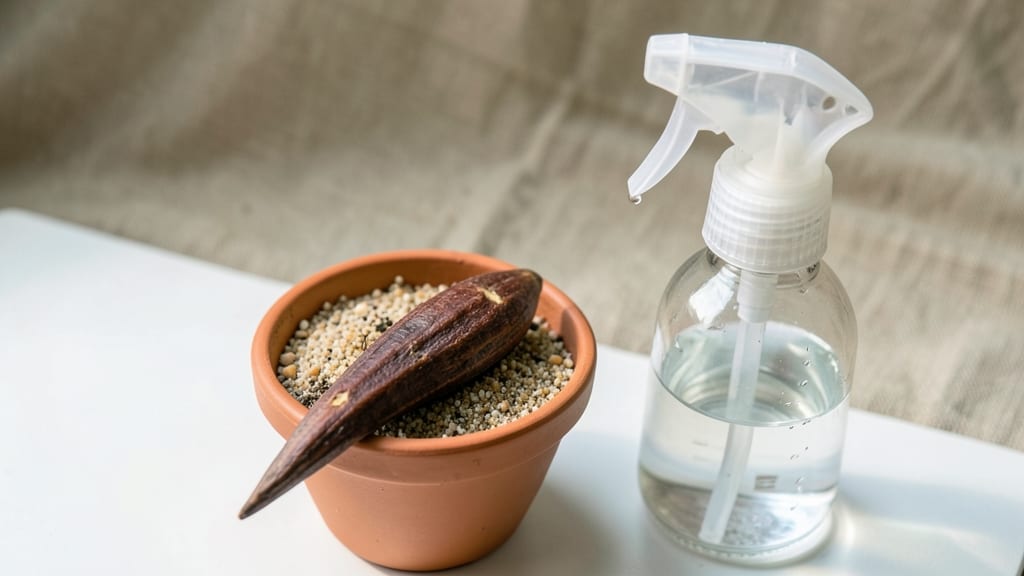
Growing a mango tree from a dried mango seed is like unlocking a tiny piece of paradise in your backyard. 🌱 I’ve started more than a dozen from grocery-store seeds, and the ones that make it through the slow early stages reward you with glossy leaves and—eventually—sweet-smelling blossoms.
The key isn’t rushing it; it’s patience and the right setup.
The process starts with soaking that hard seed for 24-48 hours to soften the shell, then planting it just deep enough so the top stays visible. You’ll need a warm spot (think 75-85°F), bright indirect light, and soil that drains well but stays moist.
Most seeds take 2-4 weeks to crack open, and some never do—don’t stress, that’s normal.
By week 3, you might see the first true leaves, a sign the seedling is thriving. Keep it in a humid environment (a plastic bag over the pot works) until roots establish, then transition to regular care.
With time, your seedling will grow into a tree that could one day produce fruit—though that takes 5-10 years in ideal conditions.
This method works best in USDA zones 10-11, but even in cooler climates, you can grow it as a container plant and bring it indoors during winter. The biggest hurdles are slow germination and viability—some seeds just won’t sprout, but when they do, it’s worth every wait.
📚 In This Guide
- What you need
- Instructions
- Tips and common mistakes
- Wrapping up and next steps
What you need
- ● 1-3 dried mango seeds – Choose plump, undamaged seeds for the best germination rate.
- ● 1 small pot (4-6 inches in diameter) – Ensure it has drainage holes to prevent root rot.
- ● High-quality potting mix – A well-draining blend (e.g., 50% peat moss, 30% perlite, 20% coconut coir).
- ● Clear plastic wrap or a humidity dome – Keeps moisture in while the seed sprouts.
- ● Spray bottle with water – For gentle hydration (avoid soaking!).
- ● Grow lights or a sunny windowsill – Mango seeds need bright, indirect light (6+ hours/day).
- ○ Seedling heat mat (optional) – Speeds up germination if your home is chilly (75–85°F ideal).
- ● Fertilizer (balanced, 10-10-10) – Once sprouted, use sparingly (every 4-6 weeks).
- ● Pruning shears – For trimming leggy growth later.
- ● Larger pot (12+ inches) – For transplanting when roots outgrow the starter pot.
- ● Patience – Germination can take 2–6 weeks (sometimes longer!).
- ● Consistent care – Keep soil moist but not soggy.
- ● Warmth – Mango seeds thrive in tropical conditions (avoid drafts!).
Step-by-Step instructions for growing a mango tree from dried seed
Here's how to coax a tropical mango tree from a dried seed—no greenhouse needed.
🌱 Step 1: Prepare the Seed for Germination
Start by soaking the dried mango seed in warm water for 24 hours. This softens the tough outer shell and kickstarts the germination process. Place it in a small bowl or jar and change the water every 8 hours to prevent mold. You'll know it's ready when the seed swells slightly and feels softer to the touch.
After soaking, gently rub the seed between two paper towels to remove any remaining dried husk. This step is crucial because the seed needs to breathe. Place the cleaned seed between two damp paper towels, fold them over, and store in a sealed plastic bag. Keep it in a warm, dark place like your pantry or near a sunny window (but not in direct sunlight). Check daily—you want the towels to stay moist but not soggy.
💧 Step 2: Encourage Sprouting in a Controlled Environment
Within 7-14 days, you should see a tiny white root emerge from the seed. This is your signal to move it to a small container. Use a 3-inch diameter pot filled with a mix of 50% potting soil and 50% perlite to ensure good drainage. Plant the seed just ½ inch deep, with the root pointing downward.
Cover the pot with a clear plastic bag or humidity dome to trap warmth and moisture. Place it in a spot with indirect light—like a north-facing window or under a grow light for 12 hours daily. Avoid direct sunlight at this stage, as it can dry out the soil too quickly. Keep the soil consistently moist but never waterlogged. You'll know it's right when the surface feels damp but not wet.
☀️ Step 3: Transition to Light and Larger Pot
Once the seedling reaches 3-4 inches tall and develops its first true leaves (not the initial seed leaves), it's time to upgrade. Transfer it to a 6-inch pot with fresh potting mix. Gently loosen the roots if they're tangled, but don't wash off any soil. This helps prevent transplant shock.
Now, introduce it to bright, indirect light for a week to help it adjust. After that, gradually increase direct sunlight exposure to 4-6 hours daily. You'll notice the leaves darken and the stem thicken as it strengthens. Water when the top 1 inch of soil feels dry, and always water at the base to avoid wetting the leaves, which can cause fungal issues.
✂️ Step 4: Prune and Support for Healthy Growth
When the seedling reaches 12 inches tall, it's time to prune and encourage branching. Use clean, sharp scissors to trim the top set of leaves, just above a leaf node. This redirects energy to the lower branches, helping the tree grow bushier. Pinch off any yellow or damaged leaves immediately—they sap energy and attract pests.
Support the young tree with a small stake if it starts to lean. Tie it loosely with soft gardening twine, leaving room for the stem to thicken. Keep the pot in a warm spot (70-80°F) and maintain consistent moisture. Within 3 weeks, you'll see new growth, and the tree will start looking like a miniature mango sapling. Patience is key—it may take years for it to bear fruit, but the journey is rewarding.
Tips & tricks for growing a mango tree from seed
Growing a mango tree from a dried seed takes patience and attention to detail—but these simple tricks will help you avoid common pitfalls and give your little sapling the best start possible.
Soaking Secret: Don't skip changing the water every 8 hours during the 24-hour soak! This prevents mold from forming on the seed's surface, which can block germination. I like to use a small jar with warm water and gently swirl it every time I change the water—this helps remove any potential contaminants from the seed's surface.
Humidity Control: The plastic bag trick in Step 1 is crucial for maintaining the right moisture levels. If you notice condensation forming inside the bag, that's perfect—it means you've got the humidity just right. But if the bag feels damp to the touch, open it slightly for 10 minutes to let some moisture escape before resealing. Too much humidity can lead to mold, while too little will dry out your seed.
Light Transition Strategy: When moving your seedling from indirect light to direct sunlight in Step 3, do it gradually over at least a week. Start with just 1-2 hours of direct light per day and increase by 30 minutes each day. This slow acclimation prevents sunburn on the delicate leaves. I've seen seedlings get crispy brown patches when moved too quickly—it's like giving your plant a sunburn!
Temperature Matters: Maintaining that 70-80°F range in Step 4 is key for healthy growth. If your home tends to be cooler, consider using a small space heater near the plant (but not too close—keep it at least 2 feet away). You can also place the pot on a heating mat designed for seedlings. Just remember, mango trees love warmth, so don't let temperatures drop below 65°F or above 85°F for extended periods.
Pro Tips for Dried Mango Seed
- Growing a mango tree from a dried seed takes patience and attention to detail—but these simple tricks will help you avoid common pitfalls and give your little sapling the best start possible.
- Soaking Secret: Don't skip changing the water every 8 hours during the 24-hour soak!
- Humidity Control: The plastic bag trick in Step 1 is crucial for maintaining the right moisture levels.
Frequently asked questions
Got questions about growing mango trees from dried seeds? We’ve got answers! Here are some of the most common queries—and practical tips—to help you succeed.
How long does it take for a dried mango seed to sprout?
A dried mango seed typically sprouts in 2–4 weeks if kept warm (70–85°F) and moist. Patience is key—some seeds may take longer, especially if they’re fully dried out. Soak the seed overnight in warm water before planting to speed up germination.
Can I grow a mango tree from a store-bought dried mango seed?
Yes, but success depends on the seed’s freshness. Store-bought seeds are often dried and may not germinate as reliably as fresh ones. If you’re lucky, you might get a tree—but expect a lower success rate. For better odds, use seeds from a ripe, organic mango.
What’s the best temperature for germinating dried mango seeds?
Mango seeds thrive in warmth (70–85°F). Place your seed in a cozy spot like near a sunny window or use a seedling heat mat. Avoid cold drafts—chilly temps can delay or even prevent germination. A mini greenhouse or plastic wrap over the pot helps retain heat and humidity.
Do dried mango seeds need light to grow?
Nope! Seeds germinate best in darkness at first. Once sprouted, move the seedling to bright, indirect light. Direct sunlight can scorch young leaves. After 2–3 weeks, transition it to a sunny windowsill or grow light for stronger growth.
Why isn’t my dried mango seed sprouting? Troubleshooting tips.
If your seed isn’t sprouting, check these common issues:
- Dry seed: Soak it in warm water for 12–24 hours before replanting.
- Too cold: Move it to a warmer spot (like a kitchen counter near the stove).
- Rot: If mold appears, discard the seed and try a fresh one.
- Old seed: Dried seeds lose viability over time—use fresh seeds for best results.
Still stuck? Try scratching the seed’s hard outer shell lightly with sandpaper to help water penetrate.
Wrapping up and next steps
Growing a tropical mango tree from a dried seed is a rewarding journey that blends patience with the joy of nurturing life! 🌱 With the right materials and care—like proper soil, warmth, and consistent moisture—you’ll witness roots sprouting in just three weeks.
Whether you’re a gardening novice or a green-thumb enthusiast, this project is a fun way to connect with nature and enjoy the sweet fruits of your labor (literally!) in the years to come.
Ready to take the next step? Start planting your dried mango seed today and watch your tropical oasis grow! Need extra tips? Check out our FAQs or share your progress with fellow plant lovers online. Happy growing! 🌿✨