Propagation
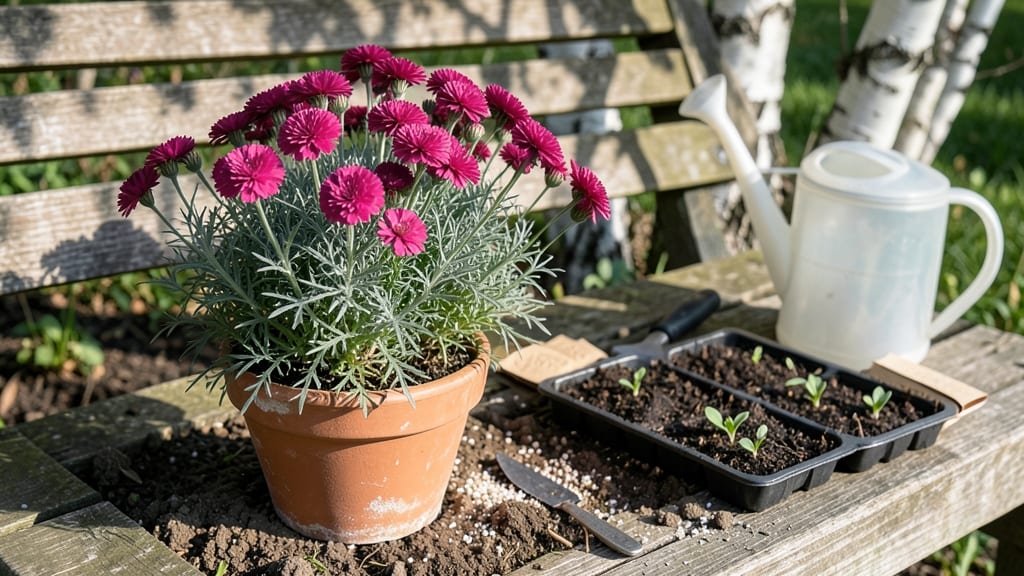
Cold-stratifying dianthus seeds for three weeks unlocks those vibrant blooms you’ve been dreaming of—no fancy equipment needed. ✨ I’ve grown dianthus from seed three times now, and the trick isn’t just patience; it’s mimicking the natural winter chill these seeds crave before they’ll even think about sprouting.
The secret starts with a simple mix of potting soil and perlite—just enough to keep moisture even while preventing mold. Plant the tiny seeds 1/8-inch deep, barely covering them, then pop the tray in the fridge for 21 days.
No fancy setup: a clear plastic bag keeps humidity steady, and a windowsill later on gives them the light they’ll need to stretch toward the sun.
Once those first green shoots appear—usually within 10-14 days after stratification—you’ll be hooked. The seedlings stay small but sturdy, and with bright indirect light and careful watering (never soggy soil), they’ll be ready to transplant in 6-8 weeks.
The payoff? Clusters of fragrant blooms that last all summer, and the satisfaction of growing something from the tiniest of starts.
Here’s where it gets interesting—dianthus thrives in full sun once established, but seedlings hate heat. Start them indoors in late winter for spring blooms, or sow directly in fall if your climate allows. The key?
Don’t rush the cold treatment, and watch for damping off (a fungal foe of tiny seedlings) by keeping airflow gentle. Trust the process, and you’ll have blooms that make every neighbor take notice.
📚 In This Guide
- What you need
- Instructions
- Tips and common mistakes
- Wrapping up and next steps
What you need
- ● Dianthus seeds: Choose Dianthus chinensis or Dianthus barbatus (Sweet William) for best results. Aim for 10-20 seeds per container.
- ● Seed-starting mix: A lightweight, well-draining blend (e.g., 50% peat moss, 30% perlite, 20% vermiculite). Use 1-2 cups per 6-inch container.
- ● Containers: Shallow trays or seed-starting pots (2-3 inches deep) with drainage holes. 1-2 seeds per cell (if using seedling trays).
- ● Cold stratification setup: A ziplock bag or small plastic container with a damp paper towel.
- ● Refrigerator space (34–40°F / 1–4°C) for 3 weeks.
- ● Grow lights or sunny windowsill: A full-spectrum LED grow light (12–16 hours/day) or a south-facing window with bright light.
- ● Misting bottle (to keep soil moist without overwatering).
- ● Fine-mesh spray nozzle (for gentle seedling care).
- ○ Heating mat (optional, to speed germination if below 60°F / 15°C).
- ● Humidity dome or plastic wrap (to retain moisture during stratification).
- ● Fertilizer: A balanced liquid fertilizer (5-5-5) (diluted to half-strength) once seedlings sprout.
- ● Transplanting tools: Small trowel or spoon for moving seedlings.
Step-by-Step instructions for growing dianthus from seed
Cold-stratification unlocks vigorous dianthus growth—here’s how to bypass the wait and get blooms in weeks.
🌱 Step 1: Prepare Seeds and Sow in Moistened Mix
Dianthus seeds benefit from a quick cold treatment to mimic winter dormancy. First, mix the 1 gallon seed-starting mix in a shallow tray and moisten it until damp but not soggy—think of a wrung-out sponge. Press the soil lightly to settle it without compacting.
Scatter 1/8 teaspoon dianthus seeds (about 20-30 seeds) evenly over the surface. Don’t cover them—dianthus seeds need light to germinate. Gently mist the tray until the soil is uniformly damp, then place it in a quart-sized resealable plastic bag to retain humidity. Seal it loosely, leaving a small gap for airflow.
⏰ Step 2: Cold-Stratifiy for 3 Weeks
Place the sealed tray in your refrigerator’s crisper drawer (around 35-40°F) for 3 weeks. This cold treatment breaks seed dormancy, ensuring stronger, more uniform germination. Check the tray weekly—if condensation forms inside the bag, open it for 10 minutes to air out and prevent mold.
After 21 days, remove the tray and place it in a warm, bright spot (around 65°F). Germination typically begins within 7-14 days, but some seeds may take longer. Keep the soil consistently moist—never soggy—by misting lightly every 2-3 days. You’ll see tiny green sprouts emerge first, followed by the first true leaves.
☀️ Step 3: Transplant Seedlings to Individual Pots
Once seedlings develop 2-3 sets of true leaves (about 4-6 weeks total), carefully transplant them into 4-inch pots filled with the 2 gallons potting mix. Use a small spoon to dig shallow holes—just deep enough to bury the stem up to the first set of leaves. This encourages strong root growth.
Water gently after transplanting to settle the soil around the roots. Place the pots in a location with full sun to partial shade (at least 4-6 hours of direct light daily). If growing indoors, supplement with a grow light kept 4-6 inches above the seedlings. Watch for leggy growth—a sign the light is insufficient—and adjust immediately.
💧 Step 4: Harden Off and Acclimate Outdoors
Two weeks before your last frost date, begin hardening off seedlings by placing them outside in a sheltered, shaded spot for 1-2 hours the first day. Gradually increase exposure over 7-10 days, moving them to morning sun before transitioning to full sunlight. This slow adjustment prevents shock and strengthens stems.
Once hardened off, transplant outdoors into well-draining soil (dianthus hates soggy roots). Space plants 12-18 inches apart to allow airflow, which reduces fungal diseases. Water deeply at the base after planting, and mulch lightly with 1/2 inch compost to retain moisture without smothering the plants.
Tips & tricks for perfect dianthus seed growth
Cold-stratification might seem intimidating, but these key strategies will help you bypass common pitfalls and achieve those vibrant blooms in record time.
Seed Placement Precision: When scattering your 1/8 teaspoon dianthus seeds (about 20-30 seeds) in Step 1, aim for even spacing to prevent overcrowding later. I like to use a clean, dry paintbrush to gently distribute them—this ensures each seedling gets enough light and nutrients without competing. The seeds need light to germinate, so avoid pressing them into the soil, even lightly. Think of them like delicate snowflakes on a windowsill rather than buried treasure.
Cold-Stratification Consistency: That 3-week cold treatment at 35-40°F in Step 2 is non-negotiable for breaking dormancy. I place a small thermometer inside the refrigerator's crisper drawer to monitor temperature—fluctuations can delay germination. If you notice condensation inside the bag, open it for exactly 10 minutes to air out, then reseal. This prevents mold while maintaining humidity. Trust me on this: skipping this step often results in weak, uneven germination.
Germination Environment: After removing from cold stratification, place your tray in a warm, bright spot around 65°F as specified. I've found that a south-facing windowsill or under a grow light works best. The key is consistency—keep soil uniformly moist by misting every 2-3 days, but never let it become soggy. You'll know you're on track when you see those first tiny green sprouts emerge within 7-14 days. If germination takes longer, don't panic—some seeds are simply slower starters.
Lighting Strategy: In Step 3, when moving seedlings to individual pots, position them within 4-6 inches of your grow light if using one indoors. I recommend a full-spectrum LED grow light for best results. Watch for leggy growth—a classic sign of insufficient light—and adjust immediately. For outdoor growing, ensure they receive at least 4-6 hours of direct sunlight daily. The right light exposure at this stage determines how robust your plants will become before transplanting.
Pro Tips for Dianthus From Seed
- Cold-stratification might seem intimidating, but these key strategies will help you bypass common pitfalls and achieve those vibrant blooms in record time.
- Seed Placement Precision: When scattering your 1/8 teaspoon dianthus seeds (about 20-30 seeds) in Step 1, aim for even spacing to prevent overcrowding later.
- Cold-Stratification Consistency: That 3-week cold treatment at 35-40°F in Step 2 is non-negotiable for breaking dormancy.
Frequently asked questions
Got questions about growing dianthus from seed? You’re not alone! Here are some of the most common concerns—and their solutions—to help you succeed with these charming blooms.
How long does it take for dianthus seeds to germinate?
With cold stratification, most dianthus seeds sprout in 3–6 weeks. Start seeds indoors 10–12 weeks before your last frost for timely blooms. If germination takes longer, check moisture levels—seeds need consistent dampness (not soggy soil) to wake up!
Do I really need to cold-stratify dianthus seeds?
Yes! Dianthus seeds have a hard outer coat that requires cold to break dormancy. Skip stratification, and you’ll likely see zero germination. The good news? A DIY fridge setup (moist paper towel + sealed bag) works just as well as a freezer—no fancy equipment needed!
Why aren’t my dianthus seedlings growing tall?
Slow growth is normal at first! Dianthus seedlings prioritize root development over height. Thin crowded seedlings to 1 inch apart, and ensure they get bright, indirect light (a south-facing window or grow light helps). Overwatering can stunt growth too—let soil dry slightly between waterings.
Can I grow dianthus from seed outdoors directly?
Outdoor sowing is possible in fall or early spring (zones 7–10), but germination rates drop without cold stratification. For best results, start seeds indoors or use a pre-chilled seed packet. If sowing outdoors, plant seeds shallow (⅛ inch deep) in well-draining soil and protect them from birds!
What’s the best way to overwinter dianthus plants?
Dianthus is perennial in zones 4–9 but may need winter care. Cut back dead foliage, mulch heavily (3–4 inches), and group plants to trap heat. In colder zones, cover with burlap or frost cloth during extreme cold snaps. Prune lightly in early spring to encourage fresh growth!
Wrapping up and next steps
Growing dianthus from seed is a rewarding journey that brings vibrant blooms to your garden in just three weeks—thanks to cold stratification! With the right materials, patience, and a little care, you’ll enjoy fragrant, colorful flowers that thrive in containers or garden beds. 🌸
Ready to dive in? Start by gathering your seeds, soil, and tools, then follow the steps to cold-stratify and nurture your seedlings. Once you’ve mastered this method, experiment with different varieties or share your newfound skills with fellow gardening enthusiasts. Happy planting! 🌱