
Propagation
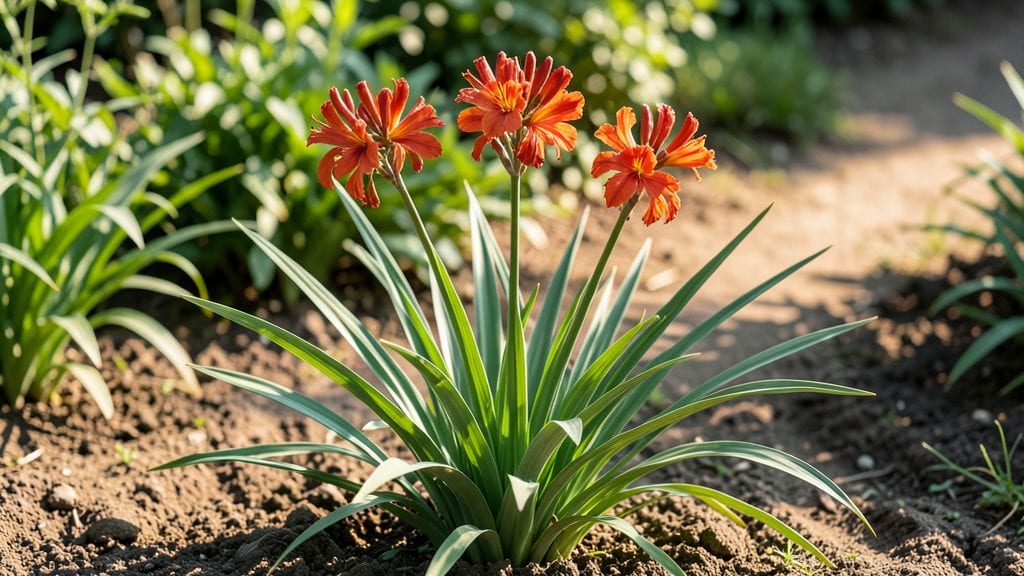
Growing Crocosmia Lucifer from seeds unlocks fiery orange blooms that return every season—if you nail the germination step. 🌱 I’ve started these seeds three times, and the difference between success and frustration comes down to patience and the right conditions.
Unlike cuttings or divisions, seeds let you grow your own vibrant stand from scratch, though it takes a full year before those dramatic spikes appear.
The key is mimicking their natural habitat: well-draining soil, warmth, and consistent moisture without drowning the tiny seeds. Plant them just below the surface—no deeper than ¼ inch—and keep the soil at 70°F until sprouts appear.
Most gardeners rush this step, but slow germination is normal; it can take 4-6 weeks. A humidity dome or plastic wrap helps, but avoid mold by ensuring airflow.
Once they sprout, thin seedlings to 6 inches apart and move them to brighter light. By autumn, you’ll have sturdy young plants ready for transplanting. The payoff?
Clumps of Lucifer crocosmia thrive for decades, spreading into bold drifts of flame-colored blooms that hummingbirds adore. Even in Zone 5, they bounce back after winter’s chill.
Seed-starting is slower than division, but the payoff is worth it for gardeners who love experimenting. For faster results, divide mature clumps in spring—but where’s the fun in that? Let’s get those seeds sprouting right.
📚 In This Guide
- What you need
- Instructions
- Tips and common mistakes
- Wrapping up and next steps
What you need
- ● Crocosmia Lucifer seeds: 10–20 seeds (fresh or stored properly for best germination).
- ● Seed-starting mix: 1–2 gallons of sterile, well-draining potting soil (e.g., Miracle-Gro Seed Starting Potting Mix).
- ● Growing containers: 4–6 small pots (3–4 inches deep) or a seed tray with cells (1–2 inches deep).
- ● Clear plastic domes or plastic wrap: To create a mini greenhouse effect.
- ● Spray bottle: For gentle watering.
- ● Grow lights or sunny windowsill: A south-facing window or LED grow lights (12–16 hours/day).
- ● Small hand trowel: For planting seeds.
- ○ Fine-mist sprayer (optional): For consistent moisture.
- ○ Heating mat (optional): To maintain soil temps at 70–75°F (21–24°C) for faster germination.
- ● Patience! 😉 Crocosmia seeds can take 4–8 weeks to sprout.
- ● Fertilizer: A balanced, water-soluble fertilizer (e.g., 10-10-10) for transplanting.
- ● Humidity tray: To boost moisture levels during germination.
- ● Garden journal: To track seedling progress and blooming cycles.
Step-by-step guide to growing Crocosmia Lucifer from seeds
Here's how to cultivate these fiery orange blooms—tenderly but confidently—so they thrive for seasons.
🌱 Step 1: Prepare Seeds and Planting Medium
Crocosmia Lucifer seeds need a light, airy mix to break dormancy. Combine 2 parts potting soil with 1 part perlite in a shallow tray—just enough to hold 4 seed flats. Moisten the mix until it feels like a wrung-out sponge, not dripping. The goal is even moisture without waterlogging.
Scatter the seeds thinly across the surface—don’t bury them. Press them lightly with your fingertip so they make contact with the soil. A light misting from a spray bottle ensures they stay in place without sinking. Cover the tray loosely with plastic wrap to retain humidity, but leave a small gap for airflow. Place in a warm spot (70-75°F) where indirect light filters in.
☀️ Step 2: Provide Light and Wait for Germination
Germination can take 4-8 weeks, so patience is key. Keep the tray in bright, indirect light—a north-facing window works best. Avoid direct sun, which can overheat the seeds. Check moisture daily; the soil should stay lightly damp, never soggy. If the plastic wrap fogs, lift it for 10 minutes to prevent mold.
Once you see tiny green shoots (about ¼ inch tall), remove the plastic completely. This is your cue to move the tray to a south-facing window or under a grow light (12-14 hours daily). You’ll notice the seedlings stretch toward the light—rotate the tray weekly to keep them upright.
🌿 Step 3: Transplant Seedlings to Individual Pots
When seedlings have 3-4 true leaves (about 2-3 inches tall), they’re ready for their own 4-inch pots. Use the same soil-perlite mix, filling each pot to 1 inch below the rim. Gently tease the roots apart if they’re crowded, then place each seedling in its own pot. Press the soil lightly around the base to secure it.
Water gently until moisture runs from the drainage holes. Place the pots in a shaded outdoor spot for a week to acclimate. After that, gradually introduce morning sun for 2-3 hours daily, increasing exposure over 10 days. This hardening-off process prevents shock when they move to full sun.
⏰ Step 4: Overwinter and Encourage First Blooms
Crocosmia Lucifer is cold-hardy but needs protection in winter. After the first frost, cut back the foliage to 2 inches tall and mulch with 2 inches of straw. Move pots to a garage or unheated shed (keep above 32°F). Water sparingly—just enough to prevent the soil from drying out completely.
In early spring, return the pots to bright light and resume watering when the soil feels dry 1 inch down. Fertilize lightly with a balanced 10-10-10 every 4 weeks. By their second year, you’ll see those vibrant orange flames—the signature blooms—emerging in late summer. Deadhead spent flowers to encourage more blooms.
Tips & tricks for perfect Crocosmia Lucifer blooms
Here's what I learned after growing these fiery beauties for years—small details that make all the difference between struggling seedlings and showstopping blooms.
Soil Mix Matters: That 2:1 ratio of potting soil to perlite isn't just arbitrary—it's about balance. Too much perlite and your seeds won't retain moisture long enough; too much soil and they'll suffocate. I like adding a pinch of worm castings (optional) to the mix for extra nutrients without compacting it. The goal is fluffy yet stable, like a cloud that holds its shape.
Germination Timing Secret: The 4-8 week germination window can feel like forever, but those weeks are crucial. Keep a germination journal if you're impatient—I mark the day I planted and track moisture levels. If you notice mold creeping under the plastic after 10 minutes of ventilation, it's time to remove it completely and switch to a spray bottle for humidity control. Patience here prevents seed rot.
Light Transition Strategy: When moving seedlings to the south window at the ¼-inch stage, I do this gradually over 3 days rather than all at once. Start with 2 hours of morning sun, then increase by 1 hour each day. This mimics natural shade progression and prevents the seedlings from getting sunburned. The 12-14 hours of daily light after germination is non-negotiable—these plants are light-hungry!
Winter Protection Hack: For the 32°F minimum during overwintering, I use a thick layer of bubble wrap around the pots before adding straw mulch. This creates an extra insulating barrier without trapping too much moisture. In my experience, the 2-inch straw layer works best when it's dry—wet straw can actually promote rot. I check moisture by sticking my finger 1 inch down—if it's dry, water lightly; if damp, wait another week.
Pro Tips for Crocosmia Lucifer Seeds
- Here's what I learned after growing these fiery beauties for years—small details that make all the difference between struggling seedlings and showstopping blooms.
- Soil Mix Matters: That 2:1 ratio of potting soil to perlite isn't just arbitrary—it's about balance.
- Germination Timing Secret: The 4-8 week germination window can feel like forever, but those weeks are crucial.
Frequently asked questions
about growing Crocosmia lucifer from seeds—because even fiery blooms need a little guidance!Can I grow Crocosmia lucifer from seeds, or should I buy tubers instead?
While tubers are the easiest way to grow Crocosmia lucifer (faster blooms, guaranteed varieties), seeds are possible but slower—expect 2-3 years for mature plants. Seeds are great for experimenters or if you love the challenge! Start seeds indoors 12-16 weeks before your last frost for best results.
How long does it take for Crocosmia lucifer seeds to germinate?
Patience is key! Seeds typically germinate in 4-8 weeks if kept in consistent warmth (65–75°F) and moisture. A humidity dome or plastic wrap helps speed things up. Pro tip: Don’t overwater—keep soil moist but not soggy to avoid rot.
What’s the best climate for growing Crocosmia lucifer from seeds?
Crocosmia lucifer thrives in USDA Zones 5-9, but seeds need warmth to germinate and cool summers to establish. Start seeds indoors if your outdoor temps drop below 50°F at night. Once planted, they love full sun to partial shade and well-draining soil.
Why aren’t my Crocosmia lucifer seeds sprouting? Troubleshooting tips!
No sprouts? Check these common issues:
- Too cold: Seeds need warmth—try a seedling heat mat.
- Too wet/dry: Soil should stay consistently moist (not bone-dry or waterlogged).
- Old seeds: Viability drops after 1-2 years. Test freshness!
- Light issues: Seeds need light to germinate—don’t bury them deep.
Will my seed-grown Crocosmia lucifer bloom the first year?
Unlikely! Seedlings focus on root and leaf growth first. Year 1: Small foliage. Year 2: Possible tiny blooms. Year 3+: Full, fiery Lucifer flames! Be patient—rewarding blooms are worth the wait.
Wrapping up and next steps
Growing Crocosmia Lucifer from seeds is a rewarding journey that brings fiery orange blooms to your garden year after year!
With patience, the right conditions, and a little care, you’ll soon enjoy vibrant flames of color that brighten any landscape. Now’s your chance to take the next step—order your seeds, prepare your soil, and watch your garden transform!
🌱 Ready to start? Whether you’re a seasoned gardener or just beginning, this vibrant plant is a fantastic addition. Grab your seeds today and let the magic of Crocosmia Lucifer unfold!