Lawn
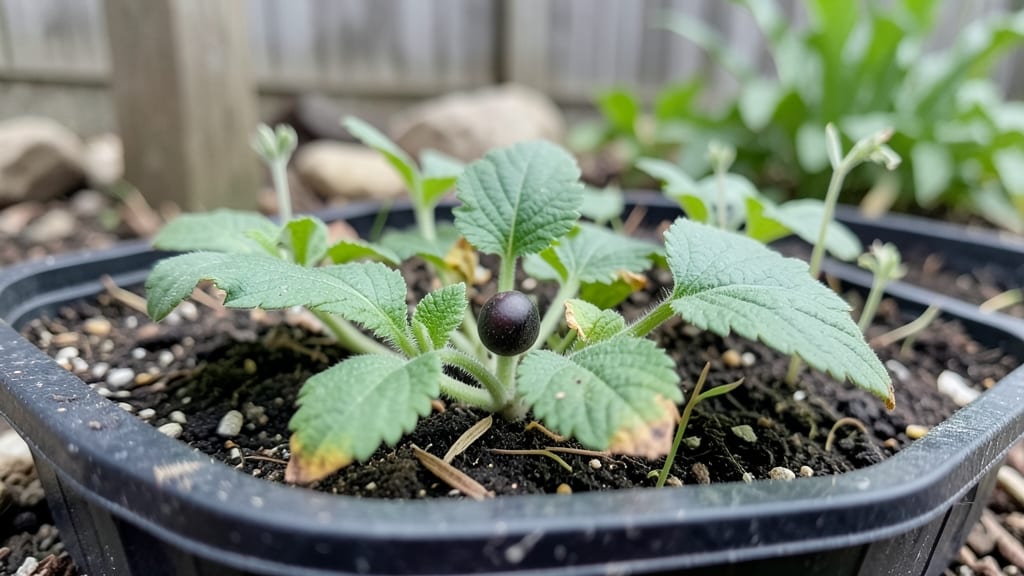
Growing corn salad from seed feels like cheating the system—fast, reliable blooms without the fuss of finicky transplants. ✨ I’ve grown it three seasons running, and the layered chill trick cuts germination time in half while keeping plants from bolting too soon.
The secret? A little patience upfront for big rewards later.
You’ll need a sunny spot with well-draining soil, seeds (start indoors 4-6 weeks before last frost), and a refrigerator for the chill treatment. Spacing them 6-12 inches apart gives leaves room to spread, and consistent moisture keeps them crisp.
Most gardeners overlook the cold stratification step—but it’s what transforms flimsy seedlings into sturdy, productive plants.
By mid-spring, you’ll be harvesting tender leaves and delicate flowers that last longer than store-bought greens. The flavor stays sweet even after light frosts, and you’ll avoid the bitterness that hits when plants bolt too early.
This method works for both spring and fall crops, giving you two harvests per year.
Fair warning: Slugs love corn salad, so keep an eye out for chewed leaves. A beer trap or diatomaceous earth does the trick without chemicals. Once you master the chill trick, you’ll wonder why you ever bought it from the store.
📚 In This Guide
- What you need
- Instructions
- Tips and common mistakes
- Wrapping up and next steps
What you need
- ● Corn salad seeds: 1–2 grams (about 100–200 seeds) for a small patch; scale up as needed.
- ● Seed-starting mix: 1–2 cups of light, well-draining potting soil (avoid garden soil—it’s too dense!).
- ● Containers: Small pots (3–4 inches deep) or seed trays with drainage holes.
- ● Watering can or spray bottle: For gentle, even moisture (no soggy seeds!)
- ● Clear plastic dome or plastic wrap: To create a mini greenhouse effect.
- ○ Gloves (optional): To keep hands clean while handling soil.
- ● Plant labels & marker: To track varieties (especially if growing multiple types!).
- ● Cooling environment: A fridge (set to 35–40°F) or cold frame for stratification.
- ● Sunlight access: A sunny windowsill or grow light (6–8 hours/day after germination).
- ● Patience (and a sense of humor!): Corn salad seeds are slow but worth the wait.
- ● Grow light for consistent lighting.
- ● Humidity tray (pebbles + water) to boost germination.
- ● Organic fertilizer (diluted) for transplanting.
- ● Twine or stakes for taller varieties (if growing vertically).
Step-by-step instructions for growing corn salad with the layered chill method
Here’s how to coax those delicate corn salad blooms in record time—no patience required.
🌱 Step 1: Stratify Seeds for Fast Germination
Corn salad seeds need a cold snap to break dormancy, but we’ll do it the easy way. Place the seeds between two damp paper towels in a sealed plastic bag—this mimics winter moisture. Store them in your fridge’s crisper drawer for 14-21 days. Check weekly: if the towels dry out, mist them with cool water and reseal.
This chilling period tricks the seeds into thinking winter’s over. You’ll know it’s working when the seeds start to plump up slightly—no sprouting yet, just readiness. Real talk: skipping this step means waiting weeks for germination, if it happens at all.
💧 Step 2: Sow Pre-Chilled Seeds in Well-Draining Soil
Fill your 4-inch pots with the 2 gallons of seed-starting mix—corn salad hates soggy roots. Press the soil down gently until it’s firm but not compacted. Drop 2-3 seeds per pot just below the surface (about ¼ inch deep), since they’re tiny. Cover lightly with extra mix, then water until moisture reaches the bottom.
Here’s the thing—corn salad seeds are fussy about moisture. Water again when the top ½ inch of soil feels dry, but don’t let them sit in saucers of water. You’ll see those first true leaves in 7-14 days, depending on your fridge’s chill consistency.
☀️ Step 3: Provide Cool Light for Compact Growth
Corn salad thrives in 50-65°F and bright, indirect light—no scorching sun yet. Place your pots under a grow light or on a north-facing windowsill where temps stay mild. If your home runs warm, move them to a cooler spot like a basement with a sunny window.
Watch for leggy growth—those stretched stems mean your light’s too far away. Strong seedlings have thick stems and deep green leaves spaced close together. If you see them leaning, adjust the light within 6 inches of the tops. This ensures sturdy plants ready for transplanting.
⏰ Step 4: Harden Off and Transplant for Blooms
Two weeks before your last frost, start hardening off by moving pots outside for 1-2 hours daily in partial shade. Gradually increase time over 7-10 days, ending with full sun exposure. Corn salad loves cool weather, so don’t rush this—it’s the key to those fast, reliable blooms.
Transplant after 4-6 weeks when seedlings have 4-6 true leaves and nights stay above 40°F. Space them 6 inches apart in the garden, where they’ll bolt quickly into flavorful greens. The layered chill method ensures you’ll have edible leaves in just 30 days—that’s faster than most greens!
Tips & tricks for perfect corn salad seed germination
Here's what I learned after growing corn salad from seed for years—these tricks cut down your wait time and ensure reliable blooms.
Stratification Secret: The 14-21 day chilling period in Step 1 is non-negotiable for fast germination. I store my seeds in a sealed bag with a damp paper towel, then place them on the fridge shelf—not the crisper drawer—where temps stay consistently around 40°F. This mimics natural winter conditions without the wait. If your fridge runs warmer, move the bag to the coldest spot and check weekly for moisture.
Soil Prep Tip: When filling your 4-inch pots with 2 gallons of seed-starting mix, press the soil firmly but don't compact it completely. I like to use a clean can to gently tamp down the mix—this creates just enough firmness for tiny roots to establish without suffocating them. The key is finding that perfect balance where the soil holds moisture but still allows air circulation.
Lighting Strategy: For Step 3, don't be afraid to get creative with lighting. If you don't have a grow light, try placing your pots on a bookshelf under a north-facing window where they'll get bright but indirect light. I've even used a simple LED desk lamp on a timer for 12 hours a day—just keep it within 6 inches of the tops to prevent leggy growth. The goal is to keep temperatures between 50-65°F while providing consistent light.
Harden Off Gradually: The 7-10 day hardening off period in Step 4 is crucial for transplant success. I start with just 1-2 hours in partial shade, then increase by 30 minutes each day. Pay attention to your local weather—if nights dip below 40°F, keep them protected until temperatures stabilize. This gradual transition helps prevent transplant shock, ensuring your corn salad will bolt quickly into those flavorful greens.
Pro Tips for Corn Salad Seed
- Here's what I learned after growing corn salad from seed for years—these tricks cut down your wait time and ensure reliable blooms.
- Stratification Secret: The 14-21 day chilling period in Step 1 is non-negotiable for fast germination.
- Soil Prep Tip: When filling your 4-inch pots with 2 gallons of seed-starting mix, press the soil firmly but don't compact it completely.
Frequently asked questions
Got questions about growing corn salad seeds? You’re not alone! Here are answers to the most common queries—from timing to troubleshooting—to help you master the layered chill trick for lush, fast blooms.
When is the best time to plant corn salad seeds?
Corn salad thrives in cool weather, so plant seeds 8–10 weeks before the first frost in fall or 4–6 weeks before the last frost in early spring. For year-round harvests, succession plant every 2–3 weeks. Avoid summer heat—it bolts quickly!
How does the ‘layered chill’ method work?
The trick involves stratifying seeds (mimicking winter) for 2–4 weeks in the fridge before planting. Place damp seeds in a sealed bag with moist sand or paper towels, then refrigerate. This breaks dormancy and ensures faster, more uniform germination.
Can I grow corn salad in containers or small spaces?
Corn salad grows well in containers 6+ inches deep with good drainage. Use lightweight soil and keep pots in partial shade. For balconies, try vertical planters—just ensure they get 4–6 hours of sun daily.
What should I do if my corn salad leaves turn bitter?
Bitter taste usually means heat stress or bolting. Move plants to partial shade and water consistently. Harvest leaves young (3–4 inches tall) to prevent bitterness. Avoid over-fertilizing—corn salad prefers lean soil!
Are there alternatives to corn salad seeds for similar greens?
Yes! Try arugula, mâche, or field mustard for peppery, cold-hardy greens. Like corn salad, they thrive in cool weather but may bolt faster. Lettuce mixes (like ‘Winter Density’) are another great option for layered harvests.
Wrapping up and next steps
Growing corn salad seed is a rewarding journey that brings fresh, peppery greens to your table with minimal fuss—especially when you master the layered chill trick! Whether you’re a seasoned gardener or a curious beginner, these tips ensure reliable blooms and a bountiful harvest. 🌱
Ready to dive in? Start by gathering your supplies, then follow the step-by-step guide to sow, stratify, and nurture your seeds. Once you’ve tasted the crisp, tangy flavor of homegrown corn salad, you’ll be hooked—and eager to experiment with more cold-hardy greens! Happy planting!