Flowers
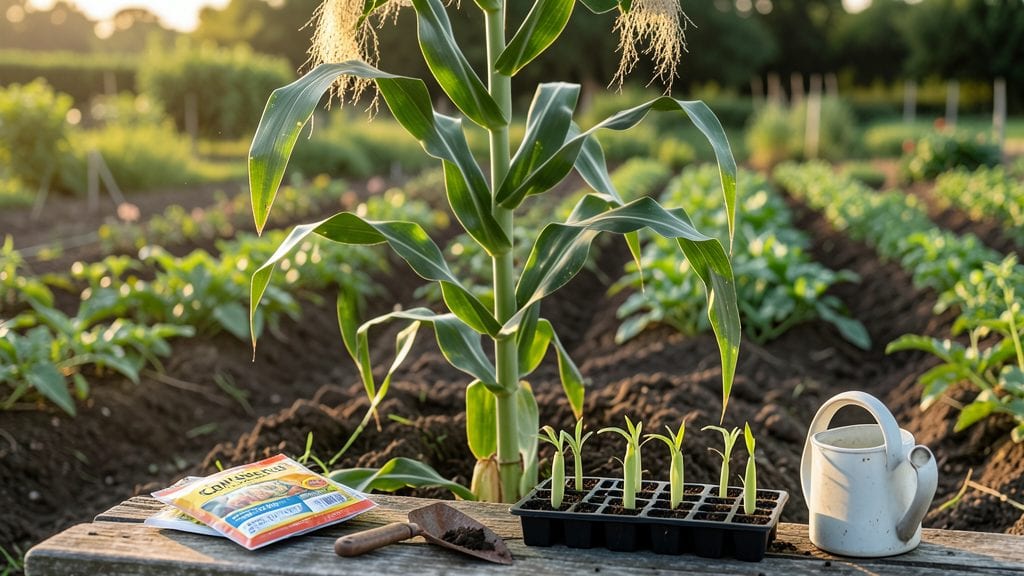
Growing cornflower seeds from scratch gives you those shockingly blue blooms that brighten up any garden—and they don’t need fancy soil to thrive. I’ve planted them in everything from raised beds to cracked concrete, and they always come back stronger than I expect.
The key is their drought tolerance once established, which means less fuss and more flowers for you.
You’ll need just three things: a sunny spot (at least 6 hours of light daily), a packet of seeds, and a small patch of soil—even poor-quality dirt works. Cornflowers self-seed like crazy, so you’ll get year-round blooms with almost no effort after the first planting.
The trick is keeping them evenly spaced so they don’t crowd each other out.
By mid-summer, you’ll have tall stems packed with those signature blue (or sometimes pink or white) flowers that hummingbirds and bees can’t resist. They’re tough enough to handle heat waves and light frosts, making them perfect for low-maintenance gardens or even container growing.
Once you see them in bloom, you’ll wonder why you didn’t plant more.
The best part? They’re foolproof for beginners—no fancy fertilizers, no constant watering, just drop the seeds in, wait, and enjoy the show. Even if you forget to water them for a week, they’ll bounce back. Let’s get those seeds in the ground!
📚 In This Guide
- What you need
- Instructions
- Tips and common mistakes
- Wrapping up and next steps
What you need
- ● Cornflower seeds (Centaurea cyanus) – 1 packet (approx. 100-500 seeds), choose a variety like 'Black Ball' or 'Blue Boy' for bold colors.
- ○ Well-draining potting mix or garden soil – 2-3 gallons, amended with compost for nutrients (optional but recommended).
- ● Containers or garden bed – 6-inch pots (for indoors) or a sunny garden spot (for outdoors). Ensure containers have drainage holes!
- ● Watering can or spray bottle – For gentle, even moisture without disturbing seeds.
- ○ Fertilizer (optional) – Balanced liquid fertilizer (10-10-10) or slow-release granules to boost growth.
- ○ Gloves (optional) – To protect hands from soil or prickly seed packets.
- ○ Plant labels (optional) – If growing multiple varieties, mark them to track blooms!
- ● Sunlight access – 6+ hours of direct sunlight daily (cornflowers thrive in full sun!).
- ● Patience (but not too much!) – Germination takes 7-14 days in ideal conditions.
- ● 🌡️ Temperature matters: Sow seeds when soil is at least 50°F (10°C)—cornflowers love warmth!
- ● ✨ Deadhead spent blooms: Snip faded flowers to encourage non-stop blooms all season.
- ● 🌧️ Water wisely: Keep soil consistently moist but not soggy—overwatering can drown seeds.
Instructions for growing cornflower seeds to ensure year-round color
These delicate blooms thrive with surprisingly little effort—here’s how to coax vibrant flowers from seed with minimal fuss.
Prepare Containers and Soil Mix for Germination
Cornflower seeds germinate best in loose, well-draining soil that stays consistently moist but never soggy. Use a high-quality seed-starting mix—never garden soil, as its density slows emergence and invites rot. Fill your containers (preferably 4-inch pots for each serving) to within ½ inch of the rim, leaving space for watering.
Gently press the mix down to remove air pockets, but avoid compacting it. The goal is a texture like damp sand—light enough for tender roots to push through while retaining enough moisture to support germination. I like to tap the containers on the countertop once or twice to settle the soil evenly. This prevents uneven moisture distribution, which can cause patchy germination.
Sow Seeds at the Correct Depth and Spacing
Plant two seeds per pot at a depth of ¼ inch, which is roughly the width of a dime. Sowing too deep delays germination because the seedling must expend energy breaking through extra soil. Use your finger to create small dimples in the soil surface, place one seed in each, then cover lightly with additional mix.
Space seeds 1 inch apart if sowing directly in the ground or larger containers—cornflowers self-thin naturally, but crowded seedlings compete for light and nutrients. Label each pot with the variety and date, as young seedlings look nearly identical until they develop true leaves. Water gently with a spray bottle until the soil surface looks uniformly damp but not glistening.
Provide Warmth and Consistent Moisture
Cornflower seeds germinate fastest in soil temperatures between 65-75°F. Place the containers on a seedling heat mat if your home runs cooler, or position them in a warm, sunny window. Keep the soil evenly moist by watering every 2-3 days—check the top ½ inch of soil with your finger. If it feels dry, it’s time to water; if it’s damp, wait another day.
Cover the pots with clear plastic wrap or a humidity dome to retain warmth and moisture during germination, which typically takes 7-14 days. Once 50% of seeds have sprouted, remove the cover immediately to prevent damping-off, a fungal disease that collapses seedlings overnight. Thin to the strongest seedling per pot once the first true leaves appear, using small scissors to avoid disturbing roots.
Acclimate Seedlings to Light and Air
After germination, move seedlings to a bright, indirect light source for 7-10 days to harden them off. Cornflowers tolerate full sun but can scorch in intense afternoon light if not gradually acclimated. Place them 4-6 inches from a south-facing window or under a grow light set to 12-14 hours of light daily. You’ll notice seedlings leaning toward the light—rotate the pots a quarter turn daily to encourage even growth.
Begin introducing outdoor conditions by placing pots in a sheltered, shaded spot for 1-2 hours on the first day, then gradually increase exposure over 7-10 days. Watch for wilting or yellowing leaves, which signal stress. Once seedlings tolerate 4-6 hours of direct sun without wilting, they’re ready for transplanting or direct sowing in the garden.
Transplant or Direct Sow for Long-Lasting Blooms
Transplant seedlings outdoors after the last frost date, when soil temperatures reach at least 50°F. Space plants 12-18 inches apart in well-draining soil amended with 1 inch of compost. Cornflowers thrive in full sun but tolerate partial shade in hot climates. Water deeply at transplanting to settle the roots, then maintain 1 inch of water per week, adjusting for rainfall.
Deadhead spent blooms by pinching off faded flowers with your fingers to encourage continuous flowering. Cornflowers self-seed prolifically, so you’ll likely see volunteers popping up in subsequent seasons with no effort. For year-round color, stagger sowings every 4-6 weeks—this ensures a steady supply of blooms from spring through fall, and even into winter in mild climates.
Tips & tricks for perfect cornflower seed germination
A few simple strategies will help you bypass the most common pitfalls and ensure your cornflower seeds thrive from the very first sprout.
Soil Texture is Everything: The instructions emphasize loose, well-draining soil, but here's the secret: I add a handful of perlite or coarse sand to every 4-inch pot before planting. This creates tiny air pockets that prevent compaction while maintaining that critical damp-sand texture. Think of it as giving your seeds' roots a breath of fresh air from day one. The key is to mix it thoroughly—don't just sprinkle on top, as that creates uneven moisture zones that cause patchy germination.
Germination Timing Secrets: While the instructions mention 7-14 days for germination, I've found that maintaining soil temperatures between 65-75°F consistently shaves 2-3 days off that window. If your home runs cooler than 65°F, invest in a small seedling heat mat—it's the difference between impatiently checking every morning and actually seeing sprouts appear on schedule. The moment you notice the first tiny green shoot, remove that humidity dome immediately, even if only 20% of seeds have sprouted. That fungal risk called damping-off is real, and it can wipe out your entire batch overnight.
Light Acclimation Strategy: The 7-10 day hardening-off period in Step 4 is crucial, but I've developed a visual checklist: by day 5, seedlings should be able to stand upright without collapsing when touched. If they're still top-heavy and flop over, extend that period by 2-3 days. For the gradual sun exposure, I start with just 30 minutes on day one (not the full 1-2 hours) to minimize shock. Cornflowers are tough once established, but these first few weeks determine whether you get lush blooms or leggy, weak plants that struggle to produce flowers.
Transplanting Made Easy: When transplanting outdoors after soil reaches 50°F, I always mix in an additional ½ inch of compost beyond the 1-inch recommendation. This gives your cornflowers a nutrient boost to compensate for the transplant shock. The trick is to water deeply the night before transplanting—this keeps the root ball intact and prevents the delicate seedlings from drying out during the move. Space your plants exactly 12 inches apart if you want robust blooms, but if you're growing for seed collection, stretch that to 18 inches to prevent overcrowding.
Pro Tips for Corn Flower Seeds
- A few simple strategies will help you bypass the most common pitfalls and ensure your cornflower seeds thrive from the very first sprout.
- Soil Texture is Everything: The instructions emphasize loose, well-draining soil, but here's the secret: I add a handful of perlite or coarse sand to every 4-inch pot before planting.
- Germination Timing Secrets: While the instructions mention 7-14 days for germination, I've found that maintaining soil temperatures between 65-75°F consistently shaves 2-3 days off that window.
Frequently asked questions
Got questions about growing cornflower seeds? You’re not alone! Here are answers to the most common queries—from planting tips to troubleshooting—so you can enjoy those cheerful blue blooms all season long.
How deep should I plant cornflower seeds?
Cornflower seeds need just a light dusting of soil—about ¼ inch deep. Press them gently into well-drained soil (they hate soggy roots!) and keep them moist until sprouts appear in 7–14 days. Pro tip: A sprinkle of mulch helps retain moisture without smothering tiny seedlings.
When is the best time to plant cornflower seeds for continuous blooms?
For year-round color, sow seeds in two batches:
- Early spring (after frost) – First wave of blooms by summer.
- Late summer (6–8 weeks before first frost) – Extends flowers into fall.
Can I grow cornflowers in containers or small gardens?
Cornflowers thrive in containers 6+ inches deep with drainage holes. Use a light, well-draining mix (like 60% potting soil + 40% perlite). Space seeds 6–12 inches apart—they’ll self-seed if you let them drop petals! Bonus: Their drought tolerance makes them perfect for balconies or urban gardens.
Why aren’t my cornflower seeds germinating?
Try these fixes:
- Cold soil: Cornflowers need consistent temps above 50°F (10°C). Wait until the ground warms or use a heat mat.
- Too wet/dry: Keep soil evenly moist (not soggy). A spray bottle helps with delicate seeds.
- Old seeds: Store-bought seeds last 2–3 years. Test viability by soaking a few in water—sinkers sprout!
Are cornflowers edible, and can I use them in cooking?
Yes! Their petals and buds are edible and add a mild, slightly nutty flavor to salads, garnishes, or even cocktails. Harvest tips:
Caution: Never eat seeds (they’re toxic).
Wrapping up and next steps
Cornflower seeds are a fantastic choice for gardeners who love low-maintenance, vibrant blooms—whether you're a beginner or a seasoned pro! 🌸 With minimal soil prep and fast germination, these cheerful flowers bring effortless beauty to your garden all year round.
Whether you're planting in containers, borders, or wildflower meadows, their resilience and striking blue hues make them a must-have.
Ready to transform your space? Grab your seeds, pick a sunny spot, and start planting today—your garden will thank you! For even more tips, check out our full guide or experiment with companion plants to boost your blooms. Happy gardening! 🌱