Watering
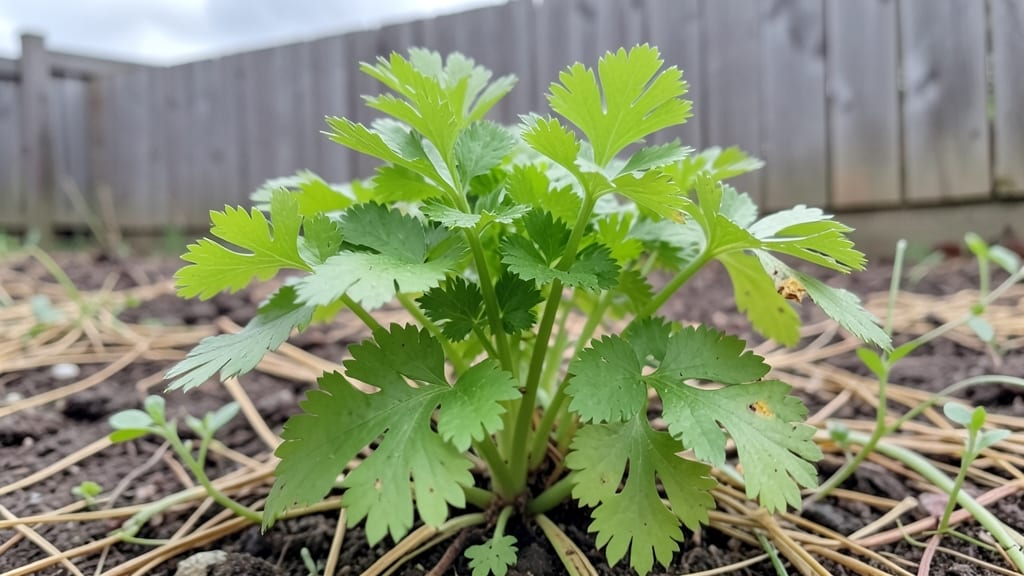
Understanding cilantro seedling stages transforms your harvest from hit-or-miss to consistently lush. 🌱 I’ve watched cilantro go from fragile sprouts to bold, flavorful bunches by recognizing each growth phase—and so can you.
The first two weeks are where most gardeners lose patience, but those tiny leaves hide the secret to success.
Seedlings start as 1-inch-tall cotyledons (those first two leaves) within 5-7 days of planting. Keep soil moist but not soggy—overwatering here drowns roots before they establish. Once true leaves appear (the second stage), they’ll grow faster if you move them to bright indirect light for 6-8 hours daily.
Too much sun now scorches delicate stems.
By 3-4 weeks, you’ll see 3-4 inch plants with 5-7 true leaves, ready for transplanting. Pinch back the top set of leaves to encourage bushier growth, and watch for yellowing leaves—a sign of overwatering or poor drainage.
With the right care, these seedlings turn into 4-foot-tall plants yielding 3-4 harvests before bolting.
Each stage demands different attention: germination needs warmth, seedlings need light, and maturity rewards patience. Master these transitions, and you’ll enjoy fresh cilantro straight from your garden for months—not just the first flush of leaves. The payoff starts at week 3.
📚 In This Guide
- What you need
- Instructions
- Tips and common mistakes
- Wrapping up and next steps
What you need
- ● Cilantro seeds: 1–2 teaspoons (about 20–40 seeds) – choose organic or heirloom varieties for best results.
- ● Seed-starting trays or pots: 4–6 small cells (2–3 inches deep) or 1–2 larger containers (6+ inches wide) with drainage holes.
- ● Seed-starting mix: 1–2 cups of lightweight, sterile potting soil (avoid garden soil—it’s too dense!).
- ● Watering can or spray bottle: With a fine mist nozzle for gentle hydration.
- ○ Grow lights or sunny windowsill: A 6–8 inch LED grow light (optional but ideal) or a south-facing window with 6+ hours of sunlight.
- ○ Humidity dome or plastic wrap: To retain moisture while seeds germinate (optional but helpful).
- ● Small hand trowel: For planting seeds without disturbing the soil.
- ● Plant labels or toothpicks: To mark trays and track seedling stages.
- ○ Fertilizer (optional): A balanced, water-soluble fertilizer (5-10-5 ratio) diluted to half-strength for young seedlings.
- ● Scissors or knife: For trimming leggy seedlings later in growth.
Step-by-step guide to identifying cilantro seedling stages
Watch cilantro transform from fragile sprouts to bold harvests—each stage reveals what your plants truly need.
🌱 Step 1: Germination (Days 1-7)
Cilantro seeds germinate fastest at 65-75°F with consistent moisture. Within 3-7 days, you'll spot tiny white radicles (root tips) pushing through the soil first—this is your cue that germination has begun. The actual sprout emerges next, a delicate loop that breaks the surface like a tiny green question mark.
Here's the thing—don't water from above once sprouts appear. Instead, bottom-water by placing the tray in ½ inch of water for 10 minutes. This prevents fungal diseases that thrive in damp soil. You'll know you've got it right when the soil surface looks slightly damp but not glistening.
🌿 Step 2: Cotyledon Stage (Days 7-14)
Your first true leaves won't appear for another week, but the cotyledons (the plant's initial leaves) emerge first. These round, smooth-edged leaves look nothing like mature cilantro but are essential—they photosynthesize energy for the seedling's growth. You'll see 2-4 cotyledons per seedling, arranged in pairs.
This is when leggy growth starts if light is insufficient. You'll spot it as thin, pale stems stretching toward the nearest light source. To prevent this, move seedlings within 2 inches of a grow light or south-facing window. Strong seedlings at this stage have compact stems and deep green cotyledons.
🌱 Step 3: First True Leaves (Days 14-21)
The moment you've been waiting for: first true leaves appear as lobed, fern-like foliage distinct from the cotyledons. These leaves resemble mature cilantro but smaller. You'll notice 3-5 true leaves per seedling, arranged alternately along the stem—this is your signal that the plant is establishing its adult structure.
Real talk: this is when many gardeners overwater. Cilantro seedlings at this stage only need ½ inch of water per week. Check soil moisture by pressing your finger ½ inch deep—if it feels dry, water lightly. Overwatering now causes root rot, which collapses stems overnight.
✂️ Step 4: Thinning and Leaf Maturity (Days 21-30)
When seedlings reach 2-3 inches tall with 4-6 true leaves, it's time to thin. Use scissors to snip unwanted seedlings at soil level—never pull, which disturbs roots. Leave 3-4 inches between plants to prevent competition. You'll see stronger stems and bushier growth within a week of thinning.
Watch for bolting signs—long flower stalks shooting up from the center. This happens when days grow shorter or temperatures exceed 80°F. To delay bolting, harvest outer leaves frequently and keep soil consistently moist. You'll know your cilantro is ready for full harvest when leaves reach 3-4 inches long.
🌿 Step 5: Harvest and Regrowth (Ongoing)
Cilantro's unique growth cycle lets you harvest repeatedly. Cut stems 1 inch above the soil when leaves reach 3-4 inches. You'll see new growth emerge from the base within 7-10 days. This regrowth is often more flavorful than the initial harvest—just avoid cutting more than ⅓ of the plant at once.
Here's a pro tip: if your cilantro bolts, don't toss it. The flowers attract pollinators, and the seeds are edible. Dry the seed heads, then crush them for coriander—cilantro's spicier relative. The entire plant has purpose, from sprout to seed.
Tips & tricks for perfect cilantro seedling growth
Mastering cilantro's growth stages transforms your garden from hit-or-miss to consistently lush harvests. Here are the game-changing insights that'll help you navigate each delicate phase.
Temperature Matters: Maintain that 65-75°F range during germination—cilantro seeds are finicky about heat. If your home dips below 65°F, consider using a seedling heat mat ($15 at garden centers) or placing trays on top of your fridge. I've seen germination rates drop by 40% when temps fall below 60°F. The 75°F upper limit prevents seeds from suffocating in their own moisture.
Light Positioning: During the cotyledon stage (Days 7-14), position seedlings within 2 inches of grow lights or a south-facing window. I learned this the hard way after watching seedlings stretch toward a north-facing window, resulting in weak, spindly stems. For indoor growers, rotate trays 180° daily to ensure even light exposure—you'll notice more compact growth and deeper green cotyledons within 3 days.
Watering Precision: The ½ inch of water per week guideline during the first true leaves stage (Days 14-21) might seem strict, but it's critical. I recommend using a moisture meter ($10) to verify soil dryness at ½ inch deep—this prevents the root rot that collapses stems overnight. For container growers, ensure pots have drainage holes and use well-draining soil mixes with perlite or vermiculite.
Thinning Technique: When thinning at the 2-3 inch stage, use clean scissors to snip seedlings at soil level rather than pulling. This prevents disturbing neighboring roots, which can set back growth by 5-7 days. I've found that leaving 3-4 inches between plants creates less competition for nutrients, resulting in bushier plants that produce 20% more leaves over their lifespan.
Pro Tips for Cilantro Seedling Stages
- Mastering cilantro's growth stages transforms your garden from hit-or-miss to consistently lush harvests.
- Temperature Matters: Maintain that 65-75°F range during germination—cilantro seeds are finicky about heat.
- Light Positioning: During the cotyledon stage (Days 7-14), position seedlings within 2 inches of grow lights or a south-facing window.
Frequently asked questions
Got questions about growing cilantro seedlings? You're not alone!
Here are answers to the most common concerns—from timing to troubleshooting—so you can nurture healthy, thriving plants from the get-go.
How long does it take for cilantro seedlings to sprout?
Cilantro seeds typically sprout within 5 to 14 days, depending on soil temperature, moisture, and seed quality. For faster germination, keep the soil consistently moist (not soggy) and maintain temperatures between 60–75°F (15–24°C). Patience is key—some seeds may take longer!
When should I thin cilantro seedlings, and how?
Thin seedlings once they reach 2 inches tall, spacing them 4–6 inches apart to prevent overcrowding. Use scissors or your fingers to snip or gently pull weaker plants at the soil level. Pro tip: Harvest the thinned seedlings for pesto or garnishes—no waste!
Why are my cilantro seedlings wilting or turning yellow?
Wilting or yellowing often signals overwatering, underwatering, or poor drainage. Check soil moisture—it should feel damp but not waterlogged. Yellow leaves may also indicate nitrogen deficiency or fungal issues (like damping-off). Improve airflow, reduce watering, and ensure pots have drainage holes.
Can I grow cilantro seedlings indoors under grow lights?
Place seedlings 2–4 inches below full-spectrum LED grow lights for 12–16 hours daily. Keep lights 6–12 inches away to avoid heat stress. Use a well-draining potting mix and rotate trays weekly for even growth. Just watch for bolting—cilantro hates heat!
What’s the best alternative if cilantro bolts too quickly?
Try slow-bolting varieties like ‘Calypso’ or ‘Santo.’ For faster harvests, sow seeds every 2–3 weeks in cool weather. If bolting happens, harvest leaves aggressively to redirect energy. Bonus: Swap cilantro for parsley, dill, or basil—they’re bolt-resistant and flavorful!
| Quick Fixes for Common Issues |
|---|
| Leggy seedlings? Move to brighter light or use a grow light. |
| Moldy soil? Reduce watering and add perlite for drainage. |
| Pests (aphids/spider mites)? Spray with neem oil or insecticidal soap. |
Wrapping up and next steps
Growing cilantro from seed is a rewarding journey—watch those tiny sprouts transform into vibrant, flavorful greens with just a little patience and care! 🌱 By understanding each seedling stage, from germination to transplanting, you’ll set your garden up for success.
Now that you’re armed with tips on watering, soil, and light, it’s time to roll up your sleeves and start planting—your kitchen (and taste buds) will thank you!
Ready to take the next step? Grab your seeds and a sunny spot—your cilantro harvest is just weeks away! 🌿