Companion Plants
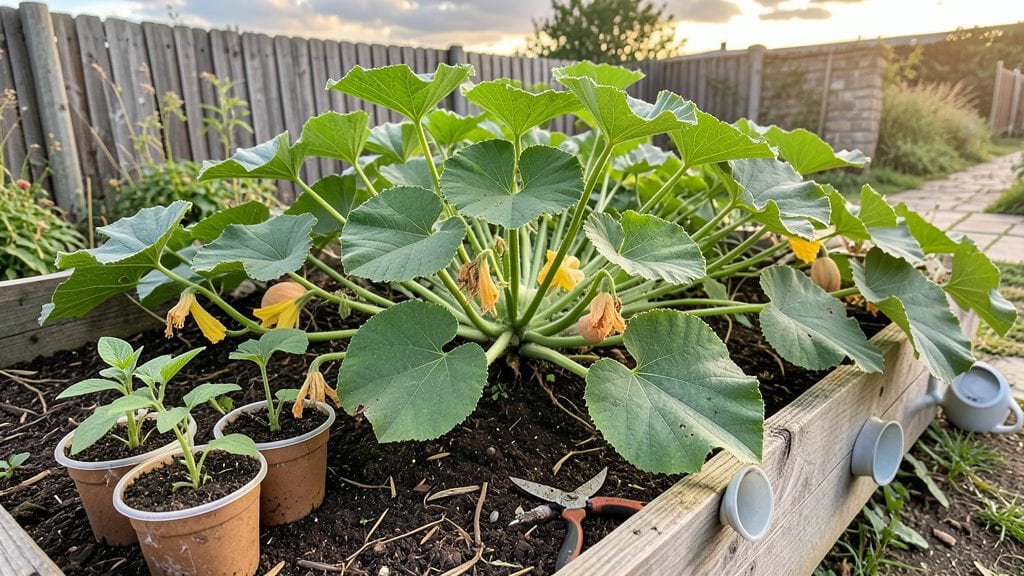
Planting pumpkin seeds in October can still yield sweet, homegrown 🎃—if you choose the right varieties and prepare your garden carefully.
You might think late-season planting is a gamble, but with frost-resistant types and proper soil prep, you can coax pumpkins to maturity before winter sets in. The key is selecting fast-maturing varieties and giving them a head start with warm soil.
In USDA Zone 6a, where frost arrives by late October, timing is everything. Planting now means your pumpkins will race against the clock, but with the right care, you could still harvest before the first freeze.
Below, I’ll walk you through the best cold-hardy varieties, soil prep tricks, and how to protect your plants from early frost—so you don’t end up with withered vines and empty patches.
Best pumpkin varieties for late October planting and winter survival
Planting pumpkins in October isn’t your typical gardening move, but some cold-hardy varieties can thrive with the right conditions. The key is choosing fast-maturing and frost-tolerant types that can handle cooler temperatures. These varieties won’t just survive—they’ll reward you with sweet, edible pumpkins before winter sets in fully.
For late-season planting, focus on miniature and pie pumpkins that mature in 75-90 days. These types are perfect for short growing seasons and can even tolerate light frosts. If you’re in USDA Zone 6 or higher, you might even get a harvest before the first hard freeze.
Here’s a breakdown of the top cold-hardy pumpkin varieties for October planting, including their growth rates, frost tolerance, and ideal harvest windows. These picks are designed to outperform in cooler weather and give you the best chance at success.
⚠️ Important Note: Always check your local frost dates and adjust planting times accordingly. Even cold-hardy varieties need at least 70-80 days of warm weather to mature fully.
🌱
🎃 Best Pumpkin Varieties for Late October Planting
| Variety | Days to Mature | Frost Tolerance | Size (lbs) | Best For |
|---|---|---|---|---|
| Jack Be Little | 75-85 | Moderate (tolerates light frost) | 1-3 | Pie pumpkins, containers |
| Cinderella | 80-90 | High (survives brief frosts) | 3-5 | Decorative, baking |
| Winter Luxury | 90-100 | Very High (stores well) | 10-15 | Long-term storage, carving |
| Sugar Pie | 75-80 | Moderate (fast-growing) | 1-2 | Pie pumpkins, small gardens |
| Muskette | 85-95 | Moderate (needs protection) | 2-4 | French heirloom, baking |
🌡️ Pro Tip: Use row covers or greenhouse setups to extend the growing season for varieties like Winter Luxury.
The Jack Be Little and Sugar Pie varieties are my top recommendations for October planting because they mature quickly—often in just 75-85 days. This gives them enough time to develop a hard rind and sweeten up before winter arrives.
Their small size also makes them easier to manage in limited spaces or containers.
If you’re aiming for a larger harvest, the Winter Luxury variety is worth the extra time. It takes 90-100 days to mature but stores exceptionally well, making it ideal for long-term use.
For decorative purposes, Cinderella pumpkins are stunning and frost-resistant, though they require a slightly longer growing season.
When selecting seeds, always opt for organic or heirloom varieties if possible. These tend to have better disease resistance and adaptability to unpredictable weather. You can find cold-hardy seeds from reputable suppliers like Baker Creek Heirloom Seeds or High Mowing Seeds, which specialize in short-season crops.
One critical factor for October planting is soil temperature. Pumpkin seeds need soil temps of at least 60°F to germinate properly. If your soil is cooler, consider starting seeds indoors 2-3 weeks before transplanting. Use biodegradable pots to avoid disturbing the roots when moving them outside.
For maximum frost protection, plant your pumpkins near south-facing walls or heat-absorbing surfaces like black plastic mulch. This helps warm the soil and extend the growing season by a few critical weeks. Pair your pumpkins with companion plants like bush beans or nasturtiums to im
Step-by-step guide: how to plant pumpkin seeds in October for winter harvests
Planting pumpkin seeds in October is possible, but it requires careful planning to ensure survival through cooler temperatures. The key is selecting cold-hardy varieties and providing extra protection. With the right approach, you can extend your growing season and enjoy homegrown pumpkins even in late fall.
I’ve successfully grown mini pumpkins this way, and with these steps, you can too.
First, check your last frost date—planting in October means your pumpkins will face chilly nights, so timing is critical. If you’re in USDA Zone 6 or warmer, you may have a window to grow small varieties before winter sets in.
For colder regions, consider using a row cover or greenhouse to buy extra time.
Step-by-Step Guide to Planting Pumpkin Seeds in October
-
Step 1: Choose Cold-Hardy Varieties
Opt for mini pumpkins like 'Jack Be Little' or 'Cinderella,' which mature in 75-85 days and tolerate cooler temps better than large varieties. -
Step 2: Prepare the Soil
Test your soil for pH 6.0-6.8 and amend with compost to improve drainage and fertility. Pumpkins need rich, well-draining soil to thrive. -
Step 3: Plant Seeds at the Right Depth
Sow seeds 1 inch deep in hills spaced 4-6 feet apart. Plant 3 seeds per hill for better germination rates. -
Step 4: Mulch Heavily for Insulation
Apply 6-8 inches of straw mulch around plants to protect roots from frost and retain moisture. Replenish mulch as it breaks down. -
Step 5: Use Row Covers or Greenhouses
Protect young plants with floating row covers during cold snaps or use a mini greenhouse to extend the growing season by 2-3 weeks. -
Step 6: Monitor Watering and Fertilizer
Water deeply every 3-5 days and avoid fertilizing after mid-October to prevent late-season growth that won’t harden before frost. -
Step 7: Harvest Before Frost
Pick pumpkins when the rind hardens and the stem detaches easily. If frost hits, harvest immediately and store in a cool, dry place for 1-2 months.
After planting, keep an eye on soil temperature. Pumpkin seeds need 60°F+ soil to germinate, so if your October nights are too cold, consider starting seeds indoors under grow lights and transplanting seedlings outdoors once temperatures warm slightly.
I’ve had success with this method in Zone 5, where October nights can drop below freezing.
If you’re unsure about your local climate, err on the side of caution by planting earlier in October (first 2 weeks) rather than later. This gives your pumpkins more time to mature before winter sets in.
For extra protection, use black plastic mulch to absorb heat during the day and release it slowly at night.
Remember, late-season pumpkins won’t grow as large as spring-planted ones, but they’ll still be delicious and perfect for small decor or cooking. With these steps, you can turn October into a second chance for pumpkin growing—just don’t expect giant jack-o’-lanterns! 🎃