
Featured
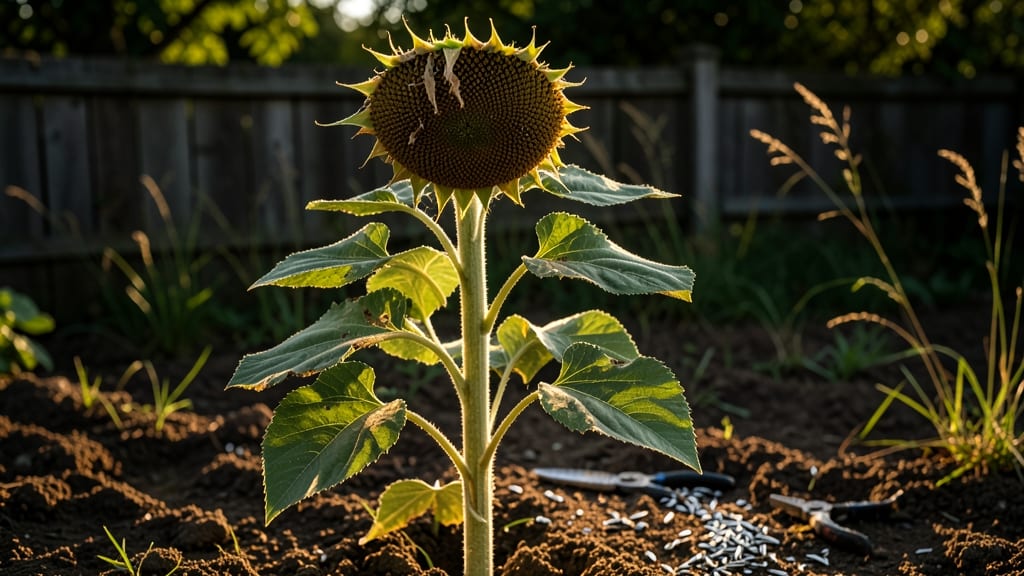
Finches can eat sunflower seeds, especially black oil sunflower seeds, which provide essential fats and proteins for their diet. However, avoid feeding them shelled seeds or salted varieties, as these can harm their health.
Sunflower seeds are a finch favorite because they pack a nutritional punch—black oil varieties are packed with healthy fats and plant-based protein, which help these tiny birds maintain energy levels and vibrant feathers. 🌱 The seeds also contain vitamin E, which supports their immune system and skin health.
That said, unshelled seeds are safer than hulled ones, as the shells help prevent choking, and you should always opt for unsalted, additive-free seeds to avoid digestive issues or dehydration.
For best results, offer seeds in moderation—about 1-2 teaspoons per day for a small flock—and pair them with other bird-safe foods like nyjer or millet. Tube feeders work well for smaller seeds, while platform feeders are better for whole seeds to prevent scattering.
Always provide fresh water nearby, especially when introducing new foods to their diet.
💡 In This Article
- Nutritional Value of Sunflower Seeds for Finches
- Safe Sunflower Seed Feeding Guidelines for Finches
Nutritional value of sunflower seeds for finches
Black oil sunflower seeds are like nature's multivitamin for finches, delivering a perfect balance of 25-30% healthy fats and 15-20% protein by weight. These tiny birds rely on fats for sustained energy during flight and migration, while the protein supports feather regeneration and muscle maintenance.
The seeds also contain vitamin E (about 3.5 mg per ounce), an antioxidant that strengthens their immune system and maintains vibrant plumage colors.
The high fat content in sunflower seeds is particularly valuable during breeding season when finches need extra calories to feed their nestlings. A single 1-gram seed provides roughly 5-6 calories, comparable to the energy content of a small berry but in a more concentrated, easy-to-digest form.
The fats also help maintain their body temperature, crucial for small birds with high metabolic rates. 🌟 What's fascinating is how the seeds' natural oils are metabolized—finches can efficiently extract these nutrients even from the hard outer shell, though the shell itself provides additional fiber for digestion.
However, not all sunflower seeds are created equal for finches. Processed seeds, especially those with added salt or preservatives, can be dangerous. A single salted seed contains enough sodium to disrupt a finch's delicate electrolyte balance, potentially leading to dehydration or kidney issues.
The artificial flavorings in some store-bought varieties can also cause digestive upset, similar to how humans might react to overly processed snacks. Always choose 100% natural, unsalted seeds to ensure you're providing pure nutrition without hidden dangers.
The vitamin and mineral profile extends beyond just fats and protein. Sunflower seeds contain significant amounts of magnesium (about 165 mg per 100 grams), which supports bone health, and zinc (about 3.5 mg per ounce), essential for wound healing and immune function.
The seeds' natural oils also contain linoleic acid, an omega-6 fatty acid that plays a role in maintaining healthy skin and feathers. This makes sunflower seeds an excellent complement to a finch's diet, especially when paired with other seed varieties like nyjer or millet.
What most bird owners don't realize is how the seed's texture matters too. The hard outer shell isn't just protective—it helps finches grip the seed while eating, preventing them from inhaling small pieces that could cause choking.
When feeding, always provide seeds in their natural state unless you're using a specialized feeder designed for smaller seed pieces. The contrast between the hard shell and soft inner kernel gives finches the perfect combination of challenge and nutrition during feeding. ✨
For optimal benefits, serve sunflower seeds at room temperature—cold seeds can be harder for finches to digest efficiently. Store seeds in an airtight container to preserve their freshness and nutritional value, as exposure to air and light can cause the fats to oxidize within just 2-3 weeks.
This oxidation reduces the seed's nutritional quality, making older seeds less beneficial for your finches.