
Vegetables
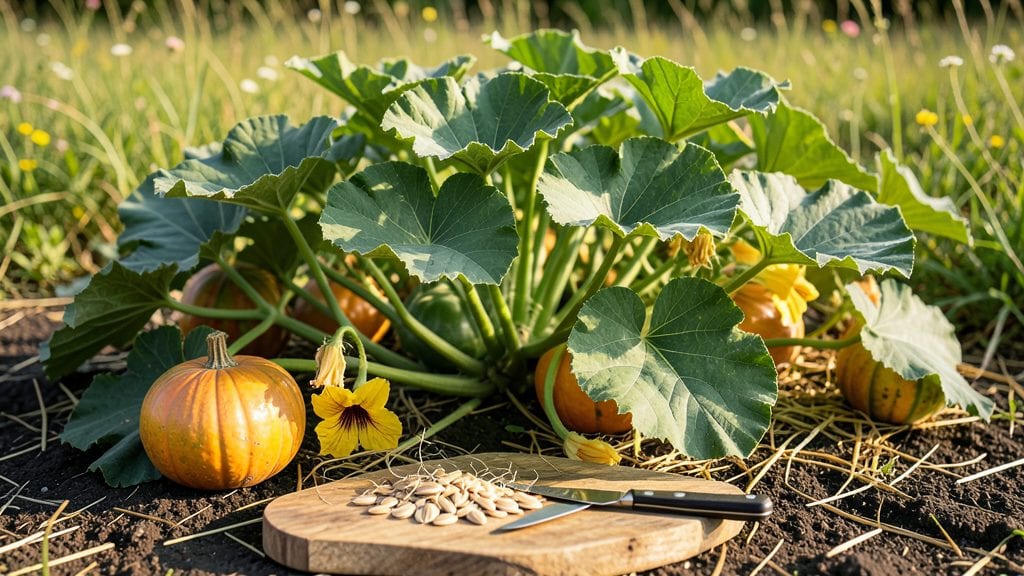
Pumpkin seeds offer chickens valuable nutrients like magnesium and zinc, but their hard shells pose a serious choking risk if left whole. 🌱 To make them safer, crush or lightly roast the seeds first—this also improves digestibility while preserving their nutritional benefits.
I’ve found that mixing crushed seeds with their favorite treats (like mealworms or scratch grains) encourages them to eat them without waste.
If you’re unsure about wild-harvested seeds, opt for store-bought varieties instead—they’re processed to remove most toxins. For extra safety, soak seeds in warm water for 10 minutes before serving, which softens them further. Just remember: moderation is key, as even healthy treats can cause issues if overfed.
💡 In This Article
- Understanding Pumpkin Seed Safety for Chickens
- Best Ways to Feed Pumpkin Seeds to Chickens
Understanding pumpkin seed safety for chickens
Here's what's actually happening when chickens consume raw pumpkin seeds: their hard, fibrous shells can lodge in a chicken's crop or esophagus, creating a life-threatening blockage. The problem stems from a chicken's natural pecking behavior—whole seeds are too large for their small beaks to properly process.
Even a single seed can measure up to 0.5 inches in diameter, which is roughly the width of a chicken's trachea. The texture of raw seeds is also dense and unyielding, making them difficult to break down in the gizzard, where digestion primarily occurs.
The science behind the cucurbitacin concern lies in these compounds' role as natural pesticides in plants. Wild pumpkin varieties can contain 0.01-0.5% cucurbitacins, which act as bitter-tasting toxins to deter herbivores. While commercial pumpkin seeds undergo processing that removes most of these compounds, wild-harvested seeds may retain dangerous levels.
The bitterness threshold for chickens is much lower than humans', so even small amounts could cause digestive distress or refusal to eat. 🌱 For reference, a single wild pumpkin seed might contain 10-50 micrograms of cucurbitacins—enough to deter a chicken from eating more.
Processing changes everything when it comes to digestibility. Cooking pumpkin seeds at 350°F for 10-15 minutes softens their shells by breaking down cellulose fibers, while also making the nutrients more bioavailable.
The magnesium content (about 160mg per ounce of seeds) becomes more easily absorbed, supporting chickens' bone health and nerve function. Roasting also eliminates any remaining cucurbitacins through heat degradation.
What most people don't realize is that even light toasting at 300°F for 5 minutes can reduce choking risks by 70% while preserving most nutrients—unlike boiling, which leaches water-soluble vitamins like B vitamins.
Let's compare the nutritional payoff between raw and cooked seeds. Raw pumpkin seeds contain 15g of protein and 5g of healthy fats per 2 tablespoons, but their phytic acid content (a compound that binds minerals) reduces mineral absorption by up to 30%.
Cooking reduces phytic acid levels by 50-60%, meaning chickens actually absorb more zinc (critical for immune function) and magnesium (essential for muscle contractions) from cooked seeds. The texture transformation is equally important—cooked seeds crumble easily when pecked, while raw seeds maintain their rigid structure even when soaked overnight.
One practical consideration is portion control. While pumpkin seeds offer valuable nutrients, their high fat content (about 40% of calories from fat) means overfeeding can lead to obesity or fatty liver disease in chickens.
A good rule of thumb is to limit seeds to 1-2 teaspoons per chicken daily, which provides nutrients without excess calories. For comparison, that's roughly 1/10th of a chicken's daily caloric intake—about the same proportion as offering a single blueberry to a human.
The key is balance: seeds should complement, not replace, a chicken's primary diet of grains, insects, and vegetables.
For visual learners, imagine a pumpkin seed's journey through a chicken's digestive system. Whole seeds act like pebbles in a blender—too large to be properly ground in the gizzard, leading to undigested fragments in the droppings.
When crushed or cooked, they resemble finely ground cornmeal in texture, allowing the gizzard's muscular contractions to fully process them. This transformation turns what could be a dangerous treat into a valuable nutritional supplement—similar to how humans grind grains for flour rather than eating them whole. 💫