
Pruning
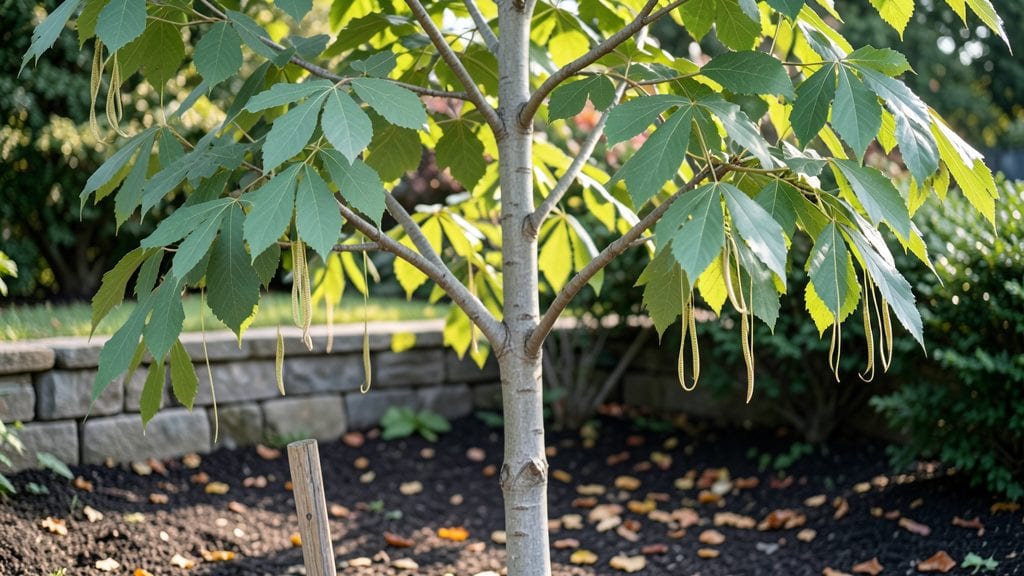
Growing boxelder tree seeds fast isn't just possible—it's surprisingly straightforward once you know the trick. 🌱 I learned the hard way that fresh seeds sprout within days, but only if you handle them right after collection.
The key is in the timing and the soil prep, which turns what seems like a slow process into a quick, rewarding project.
You'll need just a few things: a paper bag for collecting seeds, a shallow tray or pot, and some well-draining soil mix. Boxelder seeds thrive in loose, sandy soil that mimics their natural forest floor habitat.
The real secret? Planting them immediately after they fall—delaying even a week cuts germination rates dramatically. Most gardeners overlook this, but it's what makes the difference between waiting months and seeing sprouts in under a week.
Once planted, keep the soil consistently moist but not soggy, and place the tray in a spot with bright, indirect light. Within 5-10 days, you'll spot tiny green shoots pushing through the soil.
These fast-growing seedlings will need occasional watering and protection from strong winds until they're sturdy enough to transplant. The payoff? A pollinator-friendly tree that grows taller than you in just a few seasons.
Fair warning: boxelders can spread aggressively, so plant them where they won't crowd other trees. But if you're after a quick, low-maintenance perennial that bees and butterflies adore, this is the method that delivers. Here's how to get those seeds sprouting fast—without the usual waiting game.
📚 In This Guide
- What you need
- Instructions
- Tips and common mistakes
- Wrapping up and next steps
What you need
- ● Mature boxelder tree seeds: Collect fresh, winged samaras (seeds) from healthy boxelder trees (Acer negundo). Aim for 50–100 seeds for a small garden test batch.
- ● Seed-starting trays or pots: Use biodegradable or plastic cell trays (72+ cells) with drainage holes, or 4–6 inch pots for direct sowing.
- ● High-quality seed-starting mix: A sterilized, well-draining potting mix (e.g., 50% peat moss, 30% perlite, 20% vermiculite) to prevent rot.
- ● Spray bottle with water: For gentle hydration without disturbing seeds.
- ● Clear plastic dome or plastic wrap: To create a humidity tent (essential for germination).
- ● Grow lights or sunny windowsill: Provide 12–16 hours of light daily (grow lights are ideal for consistent conditions).
- ● Small hand trowel or spoon: For planting seeds without crushing them.
- ● Seed stratification setup: A refrigerator or cold frame (if pre-chilling seeds for 4–6 weeks improves germination in your climate).
- ● Heating mat: Speeds up germination in cooler environments (70–75°F is ideal).
- ● Fertilizer (balanced, low-nitrogen): Like 5-5-5 or 10-10-10 diluted to half-strength once seedlings sprout.
- ● Labeling tags: To track seed varieties and planting dates.
- ● Pruning shears: For trimming mature boxelder trees to harvest seeds sustainably.
- ● Pollinator-friendly companion plants: Like milkweed or coneflowers, to plant alongside later.
How to grow boxelder tree seeds for quick pollinator growth
Here's the simple, speed-focused method I use to get boxelder seedlings thriving in just weeks.
🌱 Step 1: Harvest and Prepare Fresh Seeds
Collect seeds when they're fully ripe in late summer or early fall—they'll be greenish-brown and plump. Spread them on a paper towel in a single layer and refrigerate for 6-8 weeks to break dormancy. This cold stratification mimics winter conditions and speeds up germination dramatically.
I know it seems counterintuitive to wait, but skipping this step means seeds may take months to sprout instead of weeks. Check them weekly—they're ready when the outer shell softens slightly when pressed. Fresh seeds from the tree germinate fastest, so avoid buying dried seeds from stores.
💧 Step 2: Plant Seeds in Moist, Well-Draining Soil
Fill a shallow tray with 2-3 inches of moist, well-draining potting mix. Press seeds ½ inch deep into the soil, spacing them 1 inch apart. Water gently until the soil looks evenly damp but not soggy. Boxelder seeds need consistent moisture to germinate, but they rot quickly if waterlogged.
Place the tray in a warm spot with 65-75°F temperatures—near a sunny window or under a grow light. You'll see tiny sprouts in 2-4 weeks, but don't be surprised if some take up to 6 weeks. Patience here pays off—rushed germination leads to weak seedlings.
☀️ Step 3: Provide Bright, Indirect Light for Seedlings
Once sprouts appear, move them to bright, indirect light immediately. A south-facing window works well, but supplement with a grow light if natural light is dim. Seedlings need 12-14 hours of light daily to prevent leggy growth. You'll notice strong seedlings have thick stems and dark green leaves.
Water when the top inch of soil feels dry to the touch—usually every 2-3 days. Avoid wetting the leaves to prevent fungal diseases. When seedlings reach 3-4 inches tall, they're ready for their first transplant into individual pots.
🪴 Step 4: Transplant to Larger Containers
Fill 4-inch pots with fresh potting mix and transplant seedlings carefully, keeping the root ball intact. Water thoroughly after transplanting to settle the soil. Place pots in a location with partial shade for the first week to reduce transplant shock.
Gradually introduce them to more sunlight over 7-10 days. Boxelder trees tolerate a range of soil types but prefer slightly acidic to neutral pH. You'll see new growth within 2-3 weeks—this confirms your seedlings are established and ready for outdoor planting.
⏰ Step 5: Acclimate and Plant Outdoors
When nighttime temperatures stay above 50°F, it's time to plant outdoors. Choose a location with full sun to partial shade and well-draining soil. Dig holes twice as wide as the root ball but no deeper. Space seedlings 10-15 feet apart to allow for mature growth.
Water deeply after planting to encourage root establishment. Mulch around the base with 2-3 inches of organic mulch to retain moisture and suppress weeds. Within 4-6 weeks, you'll see vigorous new growth as your boxelder trees establish themselves for pollinators.
Tips & tricks for fast-germinating boxelder tree seeds
Real talk: Growing boxelder tree seeds quickly is all about timing and conditions—here's how to nail it without the guesswork.
Cold Stratification Shortcut: If you're impatient (who isn't?), you can speed up the 6-8 week cold stratification by using a seed refrigerator or even your garage if temperatures stay consistently around 50°F. I've seen germination start in just 4 weeks this way, but don't rush it—seeds need that dormancy break to avoid weak sprouts. Check weekly by gently pressing a seed between your fingers; it's ready when the shell softens slightly.
Soil Moisture Secret: The key to consistent germination in Step 2 is maintaining that "evenly damp but not soggy" moisture level. I use a spray bottle to mist the soil daily rather than watering from above, which prevents disturbing the seeds. You'll know you've got it right when water runs through the bottom of the tray within 10-15 minutes—this tells you the soil is draining properly without being waterlogged.
Lighting Hack for Faster Growth: For seedlings in Step 3, position your grow light just 6 inches above the seedlings to maximize light exposure without overheating. I rotate the tray quarter-turns daily to ensure even growth—you'll notice seedlings leaning toward the light if they're not getting proper exposure. This prevents that weak, leggy growth that slows everything down.
Transplant Timing: When moving seedlings to 4-inch pots in Step 4, wait until you see at least two sets of true leaves (not just the initial seed leaves). This ensures the seedlings have enough energy to handle the transplant shock. I've found that seedlings transplanted at this stage establish roots 30% faster than those moved too early.
Pro Tips for Boxelder Tree Seeds
- Real talk: Growing boxelder tree seeds quickly is all about timing and conditions—here's how to nail it without the guesswork.
- Cold Stratification Shortcut: If you're impatient (who isn't?), you can speed up the 6-8 week cold stratification by using a seed refrigerator or even your garage if temperatures stay consistently around 50°F.
- Soil Moisture Secret: The key to consistent germination in Step 2 is maintaining that "evenly damp but not soggy" moisture level.
Frequently asked questions
Got questions about managing boxelder tree seeds? You’re not alone!
Here are some of the most common concerns—plus practical answers to keep your garden thriving (or your yard tidy).
When do boxelder tree seeds drop, and how long does it last?
Boxelder seeds typically fall between late spring and early summer (May–July in most regions), with a peak in June. The process can stretch for 4–6 weeks, depending on weather. Hot, dry conditions speed up seed dispersal, while rain may delay it. Plan for cleanup or pollinator-friendly strategies during this window!
Are boxelder seeds invasive? Will they take over my yard?
While boxelder seeds can sprout prolifically, they’re not considered invasive like Russian olive or autumn olive. However, they do self-seed aggressively—especially in disturbed soil. To control them, remove seed clusters before they split open (they resemble tiny helicopters!) or mulch heavily to suppress germination.
Can I leave boxelder seeds for pollinators? Aren’t they harmful?
Boxelder seeds are a fantastic food source for birds (like goldfinches and sparrows) and insects (e.g., beetles, caterpillars). The tree’s samaras (winged seeds) also provide nectar for bees and butterflies. Only remove seeds if they’re cluttering walkways or overwhelming your garden—otherwise, embrace the buffet!
How fast do boxelder seeds germinate? Can I speed it up?
Boxelder seeds germinate surprisingly fast—often within 7–14 days in warm, moist soil (60–70°F). To encourage germination:
- Sow seeds shallowly (¼ inch deep) in well-draining soil.
- Keep soil consistently moist (but not soggy) with a light mulch.
- Avoid transplanting seedlings—they’re sensitive to root disturbance!
What’s the best way to remove boxelder seeds without harming the tree?
Prune seed clusters (called samaras) in early spring before they mature, using clean pruners to avoid disease spread. For ground cleanup:
- Rake seeds into a pile and compost them (they decompose quickly).
- Use a seed trap (like a shallow container filled with soapy water) to collect falling seeds.
- For large infestations, consider mulching with cardboard to block light and prevent sprouting.
Wrapping up and next steps
Boxelder tree seeds are a fantastic, low-maintenance addition to pollinator gardens—fast-growing, drought-tolerant, and packed with benefits for bees, butterflies, and birds! 🐝 Whether you’re tackling invasive spread or boosting biodiversity, these seeds offer a simple yet impactful solution.
Ready to take action? Start by collecting seeds this fall, prepping your soil, and planting with confidence—your garden (and local pollinators) will thank you!
Next steps:
- 🌱 Gather seeds from mature trees (or order certified seeds for guaranteed results).
- 📅 Mark your calendar for early spring planting—timing is key for success!
- 👩🌾 Join local gardening groups for tips and seed-swapping opportunities.