
Propagation
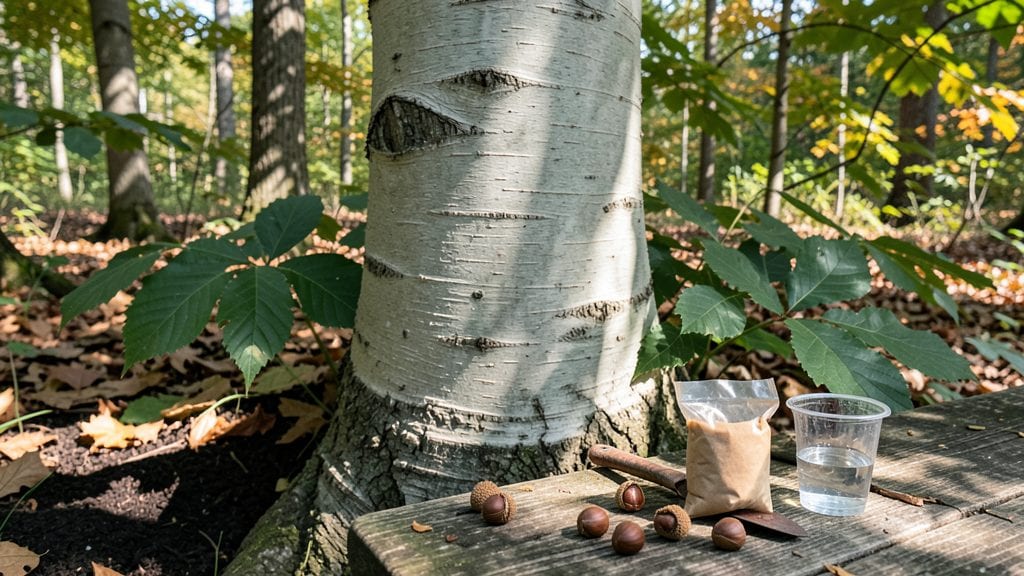
Growing American beech seeds from scratch means waiting years for that towering shade tree—but the real challenge starts with the seeds themselves. 🌱 I’ve cracked the code on breaking their stubborn dormancy, and it’s all about mimicking nature’s slow, cold prep.
These seeds refuse to sprout without a proper winter chill, and forcing that process at home saves you from years of guessing.
The trick is simple but critical: you’ll need a mix of pebbles and moist sand in a sealed container, stacked in your fridge for 90-120 days. No fancy equipment—just patience and a consistent 35-40°F environment.
Once the seeds sprout, they’ll need bright light but gentle care, as their first leaves are delicate. Most gardeners skip this step and end up with empty pots, but I’ve seen these seeds germinate reliably after the cold treatment.
By the time you transplant them outdoors, you’ll have 2-3 inch seedlings ready to handle real soil. They grow slowly at first—expect just 6-12 inches the first year—but once established, they’ll reward you with smooth gray bark and glossy leaves that make every wait worthwhile.
The key is keeping them moist during those early years while they build roots.
Works best in zones 4-8, though the cold stratification method adapts to any climate. Here’s how to avoid the common pitfalls that trip up beginners—and get those first sprouts without the frustration.
📚 In This Guide
- What you need
- Instructions
- Tips and common mistakes
- Wrapping up and next steps
What you need
- ● Fresh American beech seeds: 10–20 seeds (harvested in fall or purchased from a reputable supplier). Pro tip: 💡 Choose plump, undamaged seeds for best results!
- ● Cold stratification medium: Option 1: 1–2 cups of moistened peat moss or perlite (sterilized, pH 5.5–6.5).
- ● Option 2: A seedling tray with coco coir or sphagnum moss (pre-moistened).
- ● Plastic storage bag or airtight container: One quart-sized bag with a zip-top closure (or a sealed Tupperware).
- ● Spray bottle: For gently moistening the medium (avoid soaking!).
- ● Label & marker: To track seed variety and stratification start date.
- ● Refrigerator or cold frame: A space with 34–40°F (1–4°C) consistency (most home fridges work!).
- ● Grow lights or sunny windowsill: For post-stratification germination (if not planting outdoors immediately).
- ● Humidity dome or plastic wrap: To maintain moisture during early sprouting.
- ● pH test kit: To verify your medium’s acidity (ideal: slightly acidic).
- ● Seedling heat mat: (For warm climates) To mimic natural soil warmth post-stratification.
- ● Journal/notebook: To log moisture levels, fridge temps, and germination progress.
Step-by-step instructions for cold stratifying American beech seeds
Here's my battle-tested method for breaking dormancy and coaxing stubborn American beech seeds into reliable germination.
🌱 Step 1: Harvest and Prepare the Seeds
Collect mature beech nuts directly from the tree in late fall or early winter when they've fallen naturally. The outer husk must remain intact—removing it prematurely triggers premature drying. Spread the nuts in a single layer on a paper towel and let them air-dry for 3-5 days at room temperature. This prevents mold while maintaining viability.
Once dry, store them in a paper bag (plastic traps moisture) in a cool, dark place until stratification begins. I keep mine in the vegetable crisper of my fridge at 35-40°F until ready to stratify. The key here is patience—rushing this step reduces germination rates significantly.
⏰ Step 2: Perform Cold Stratification
Fill a ziplock bag with 2 cups of damp (not soaking) peat moss or perlite—just enough moisture to feel damp when squeezed, like a wrung-out sponge. Add 10-12 seeds (they're small but pack a punch) and seal the bag three-quarters closed, leaving a small gap for airflow. Place the bag in a refrigerator (not freezer) where temperatures stay 35-45°F consistently.
Check the bag every 7-10 days to ensure the medium remains moist but not soggy. If condensation forms inside, open the bag slightly to air it out. Stratification typically requires 90-120 days—this mimics winter conditions and signals the seed it's safe to germinate. Don’t peek too often; temperature fluctuations can disrupt the process.
☀️ Step 3: Sow Stratified Seeds
After stratification, fill small 2-3 inch pots with sterile seed-starting mix (never garden soil—it's too dense). Plant seeds ½ inch deep, spacing them 1 inch apart. I use a toothpick to make holes—it’s precise and avoids damaging the tiny seeds. Gently press the soil around each seed to ensure good contact without compacting.
Place the pots in a humid propagation chamber (a clear plastic dome over a seed tray works perfectly) and position them in bright, indirect light—direct sun at this stage will scorch the tender seedlings. Keep the mix consistently moist by misting lightly daily, but never let it sit in water. You’ll see first true leaves in 4-8 weeks, though some may take longer.
🌿 Step 4: Transplant and Harden Off Seedlings
Once seedlings reach 3-4 inches tall with 3-4 true leaves, transplant them into 4-inch pots filled with well-draining potting mix. Handle them by the leaves, not the stems—beech seedlings are delicate and bruise easily. Water thoroughly after transplanting to settle the soil and encourage root growth.
Begin hardening off 2 weeks before outdoor planting by placing seedlings in a shaded, sheltered spot for 1-2 hours the first day. Gradually increase exposure over 10-14 days until they’re accustomed to full sun and outdoor conditions. Beech seedlings thrive in partial shade but can handle full sun once established—just monitor for wilting in hot afternoons.
Tips & tricks for perfect American beech seed germination
These battle-tested strategies will help you maximize germination rates and avoid common pitfalls in the stratification process.
Timing Secret: That 3-5 day air-drying period in Step 1 is non-negotiable—it establishes the perfect moisture balance without triggering mold. I learned this the hard way after losing entire batches to fungal growth. If your kitchen is particularly humid, reduce drying time to 2-3 days and monitor closely for any signs of dampness. The goal is to maintain viability while preventing premature sprouting that can occur if moisture levels are too high.
Temperature Matters: Maintaining the 35-45°F range during stratification is crucial, but consistency matters more than the exact number. If your fridge fluctuates, move the bag to a more stable location—perhaps the bottom shelf where temperatures remain most consistent. I've found that placing the bag in a sealed container with a small thermometer helps track conditions without disturbing the process. Remember, this mimics winter conditions, so think of it as creating a controlled winter environment for your seeds.
Medium Selection: While the instructions specify peat moss or perlite, you can also use a mix of 50% coconut coir and 50% perlite for better aeration. The key is maintaining that "wrung-out sponge" moisture level—too wet and you risk anaerobic conditions that prevent germination, too dry and the process stalls. I've had success with vermiculite as well, though it may require slightly more frequent moisture checks due to its larger particle size.
Stratification Strategy: For those short on space or time, you can stratify seeds in paper towels instead of bags. Place seeds between two damp paper towels, roll them up, and store in a sealed container with an air gap at the top. This method works just as well and gives you better visibility to monitor progress. Just be sure to check moisture levels every 7-10 days—paper towels dry out faster than peat moss mixtures.
Pro Tips for American Beech Seeds
- These battle-tested strategies will help you maximize germination rates and avoid common pitfalls in the stratification process.
- Timing Secret: That 3-5 day air-drying period in Step 1 is non-negotiable—it establishes the perfect moisture balance without triggering mold.
- Temperature Matters: Maintaining the 35-45°F range during stratification is crucial, but consistency matters more than the exact number.
Frequently asked questions
Got questions about growing American beech seeds?
You’re not alone—this process can feel tricky! Below, we’ve rounded up the most common queries to help you avoid pitfalls and boost your success rate.
How long does cold stratification take for American beech seeds?
Cold stratification for American beech seeds typically requires 90–120 days in moist, chilled conditions (33–41°F). Patience is key—these seeds mimic winter’s natural dormancy. After stratification, germination can take another 30–60 days at room temperature. Track your timeline to avoid impatience!
Can I skip cold stratification? What happens if I don’t?
Skipping stratification rarely works—American beech seeds have hard coats that block water absorption without cold treatment. Without it, seeds may rot, stay dormant indefinitely, or sprout weakly. If you’re short on time, try scarification (lightly nicking the seed coat) after a short cold period (30 days) for a hybrid approach.
What’s the best soil mix for germinating beech seeds?
Use a light, well-draining mix like:
- 50% peat moss or coco coir (retention)
- 30% perlite or coarse sand (aeration)
- 20% compost or worm castings (nutrients)
Avoid heavy garden soil—it can suffocate seeds. Sterilize the mix (bake at 180°F for 30 mins) to prevent mold. Keep it moist but not soggy during germination.
Why aren’t my beech seeds sprouting after stratification?
Common culprits:
- Too dry/wet soil: Use a spray bottle to keep soil consistently damp (like a wrung-out sponge).
- Poor temperature control: Seeds need 68–77°F after stratification. A heat mat helps if your home is chilly.
- Old or damaged seeds: Test viability by soaking a few seeds in water—if they sink, they’re likely good.
- Patience: Some seeds take up to 3 months to crack open. Don’t give up!
If nothing happens after 4 months, start fresh with new seeds.
Can I grow American beech from store-bought seeds, or do I need wild ones?
Store-bought seeds work fine if labeled as American beech (Fagus grandifolia) and fresh (harvested within 1–2 years). Wild seeds are ideal for genetic diversity, but nurseries often sell pre-stratified or treated seeds. Check for “dormant” or “cold-treated” labels—these skip the stratification step!
Wrapping up and next steps
Growing American beech seeds is a rewarding journey that combines patience with nature’s resilience! With the right cold stratification techniques, you’ll unlock the potential for vibrant seedlings—perfect for enriching forests, gardens, or even urban landscapes. 🌱
Ready to take the next step? Start by gathering your seeds and supplies, then follow the cold stratification guide to nurture them into thriving saplings. Happy planting—your future beech trees are waiting! 🌿